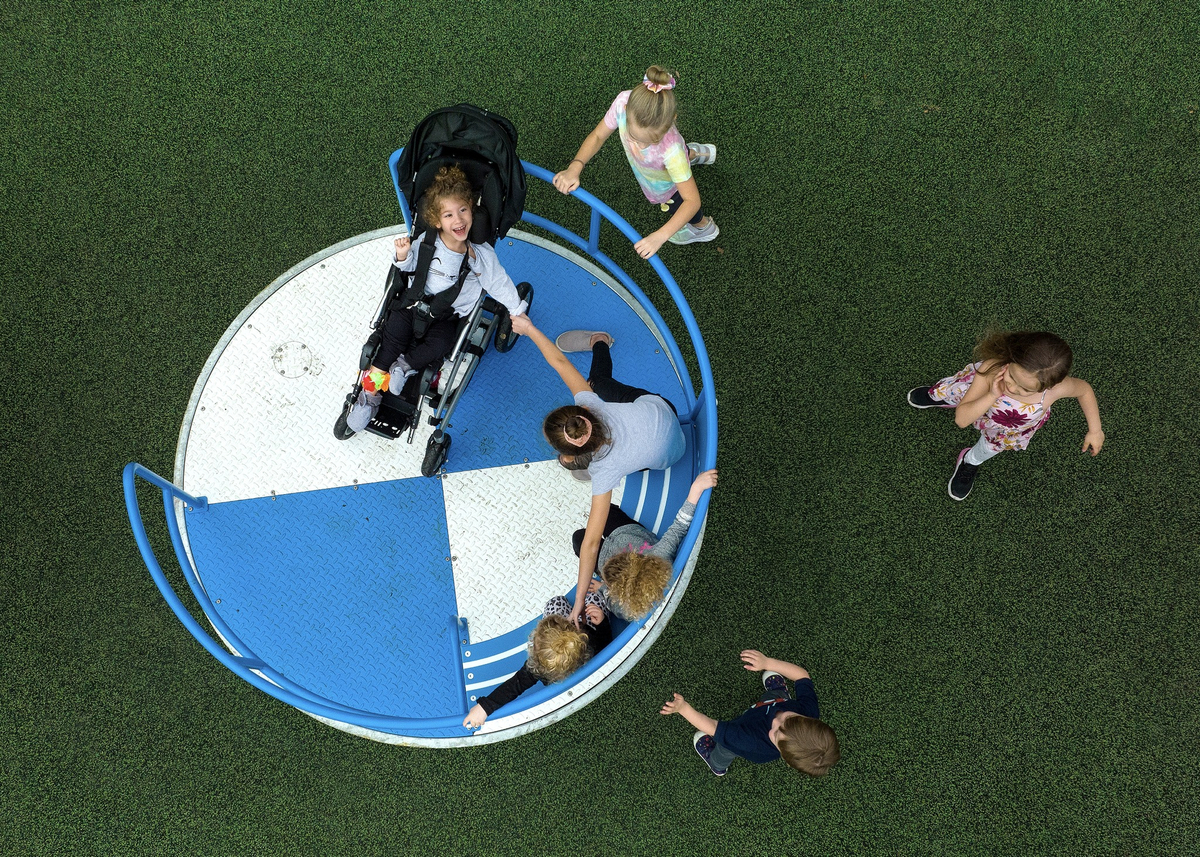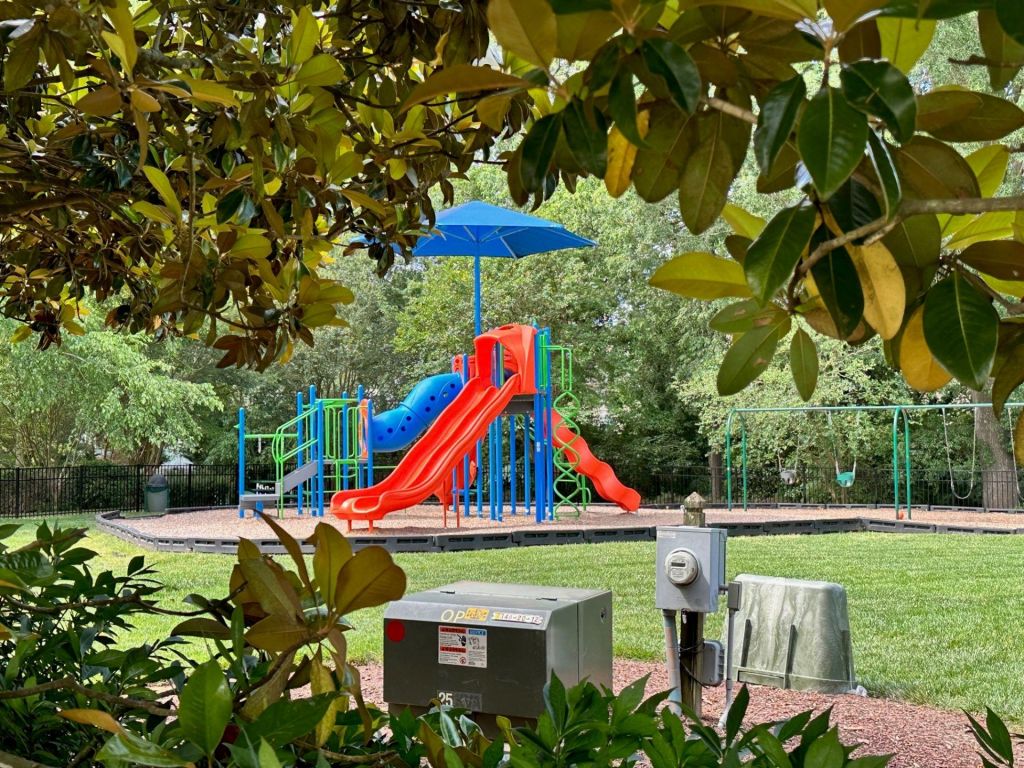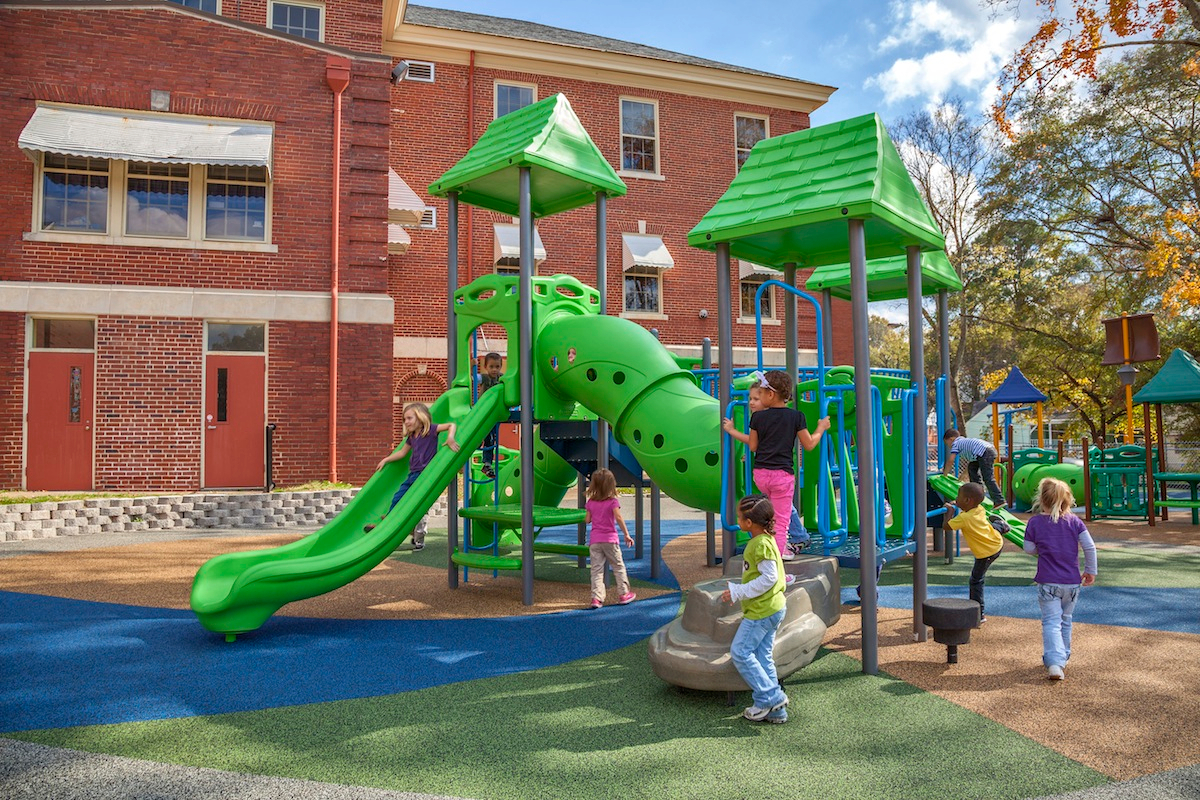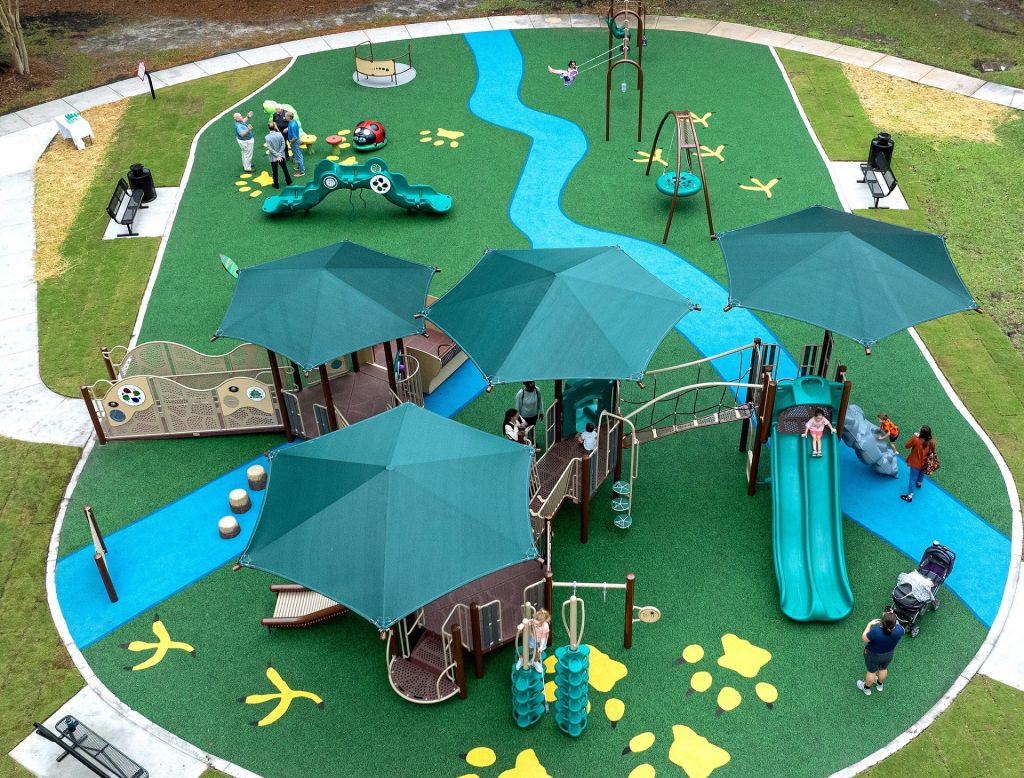
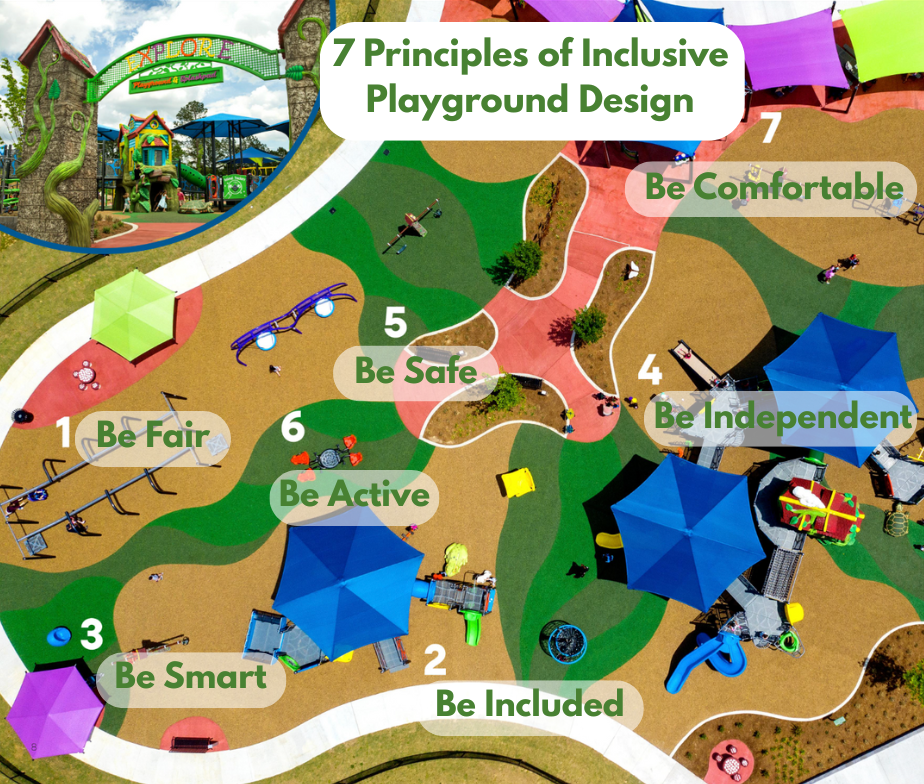
The 7 Principles of Inclusive Playground Design provide a research-based framework for creating playgrounds where children of all abilities can play, learn, and connect together. Inclusive playgrounds don’t happen by accident, they are thoughtfully designed through research, intentional planning, and a deep understanding of how children move, learn, and engage through play.
At Cunningham Recreation, we create play spaces that are welcoming, engaging, and supportive of the whole child. One of the most respected frameworks guiding this work is the 7 Principles of Inclusive Playground Design, developed by PlayCore in partnership with Utah State University’s Institute for Disability Research, Policy & Practice. Grounded in decades of research, this framework goes beyond basic accessibility requirements to address the full play experience for children, caregivers, and entire communities.
What Are the 7 Principles of Inclusive Playground Design?
Be Fair
Ensure equitable opportunities across all areas of development so no child is excluded due to ability. Inclusive playgrounds offer multiple ways to engage physically, cognitively, socially, emotionally, and sensorily, allowing every child to participate in meaningful play.
Be Included
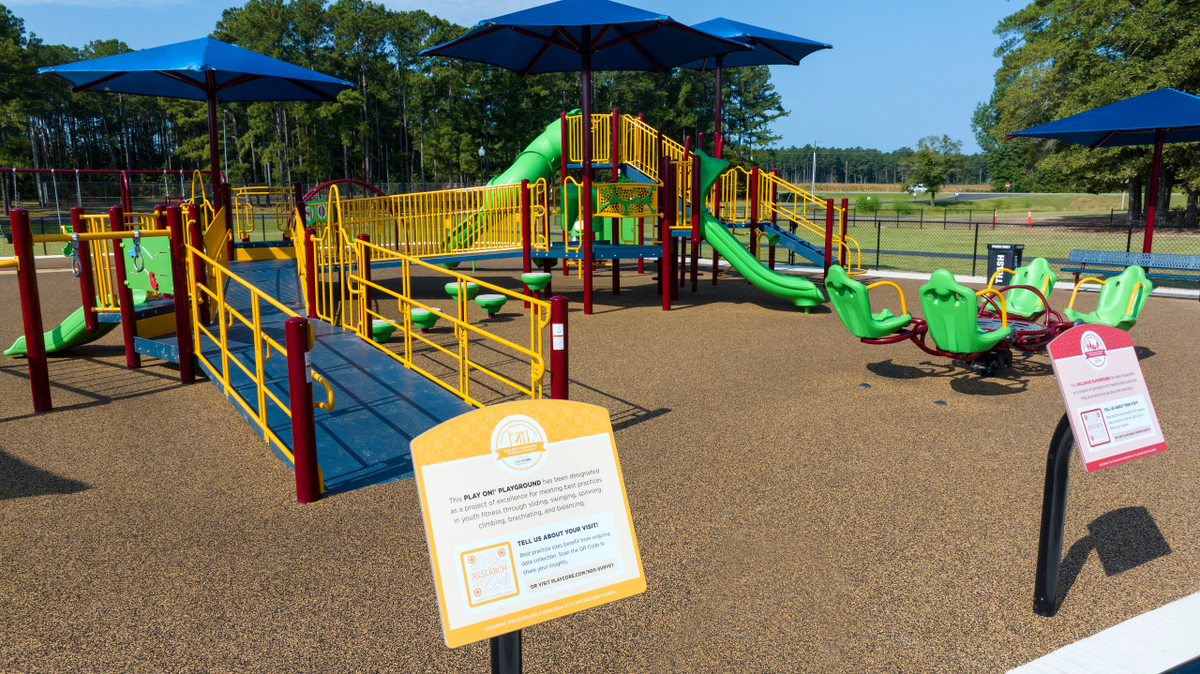
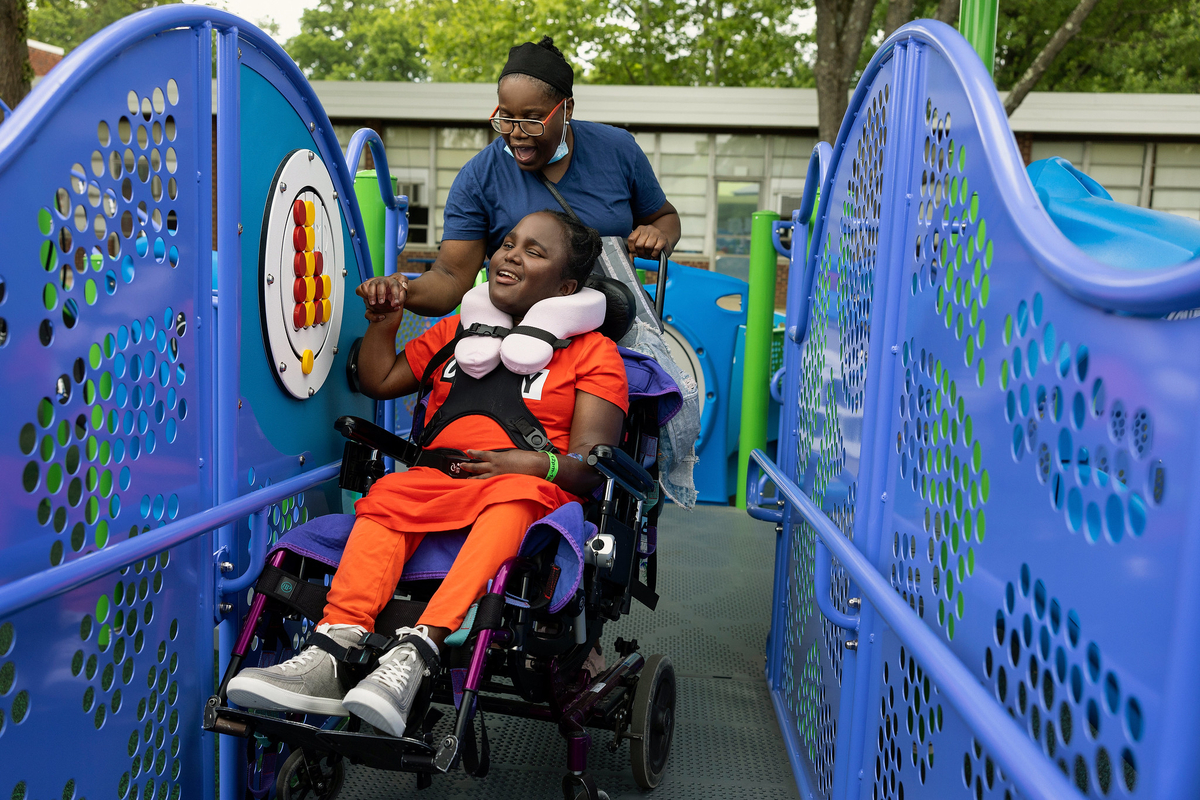
Support flexible access throughout the playground. Ramps, transfer systems, ground-level activities, and climbers help children with varying mobility levels play alongside peers rather than apart from them.
Be Smart
Use intuitive, sensory-rich design that supports understanding and navigation. Predictable layouts, visual cues, and engaging sensory elements help children feel confident and oriented, especially those who benefit from structure and routine.
Be Independent
Encourage self-directed exploration and confidence. Accessible surfacing, clear circulation routes, and smooth transitions between play areas empower children to explore independently while building self-esteem.
Be Safe
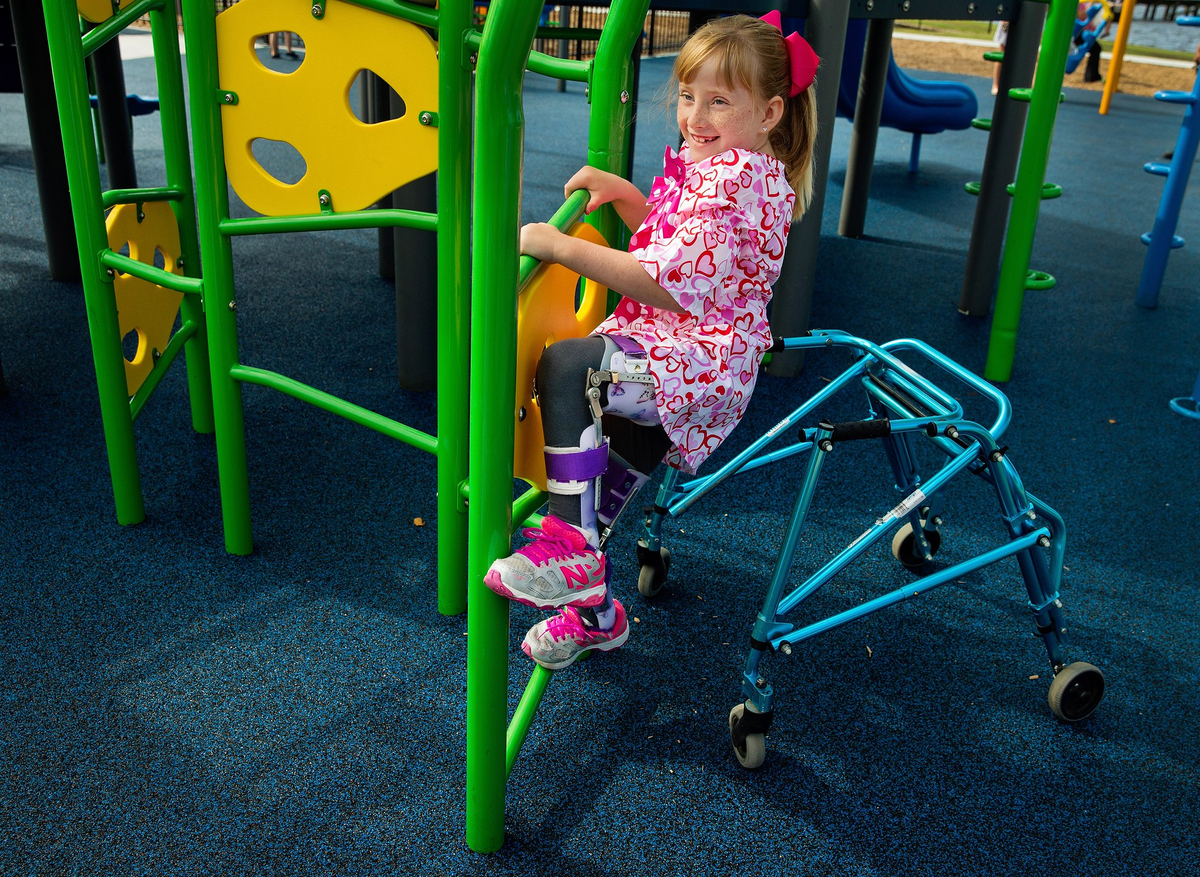
Balance safety with meaningful challenges. Inclusive playgrounds meet safety standards while still encouraging creativity, problem-solving, and appropriate risk-taking. Open sightlines also allow caregivers to supervise without interrupting play.
Be Active
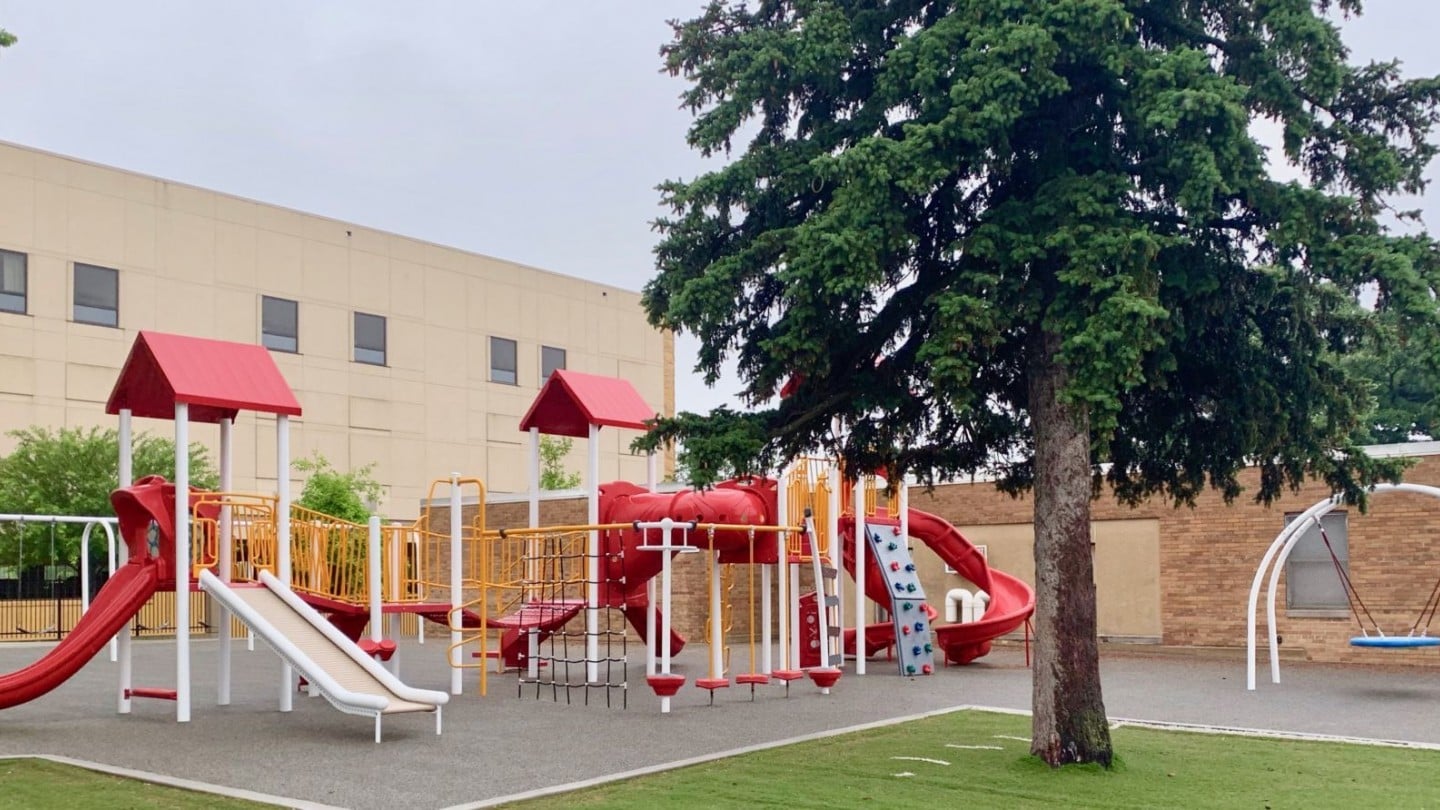
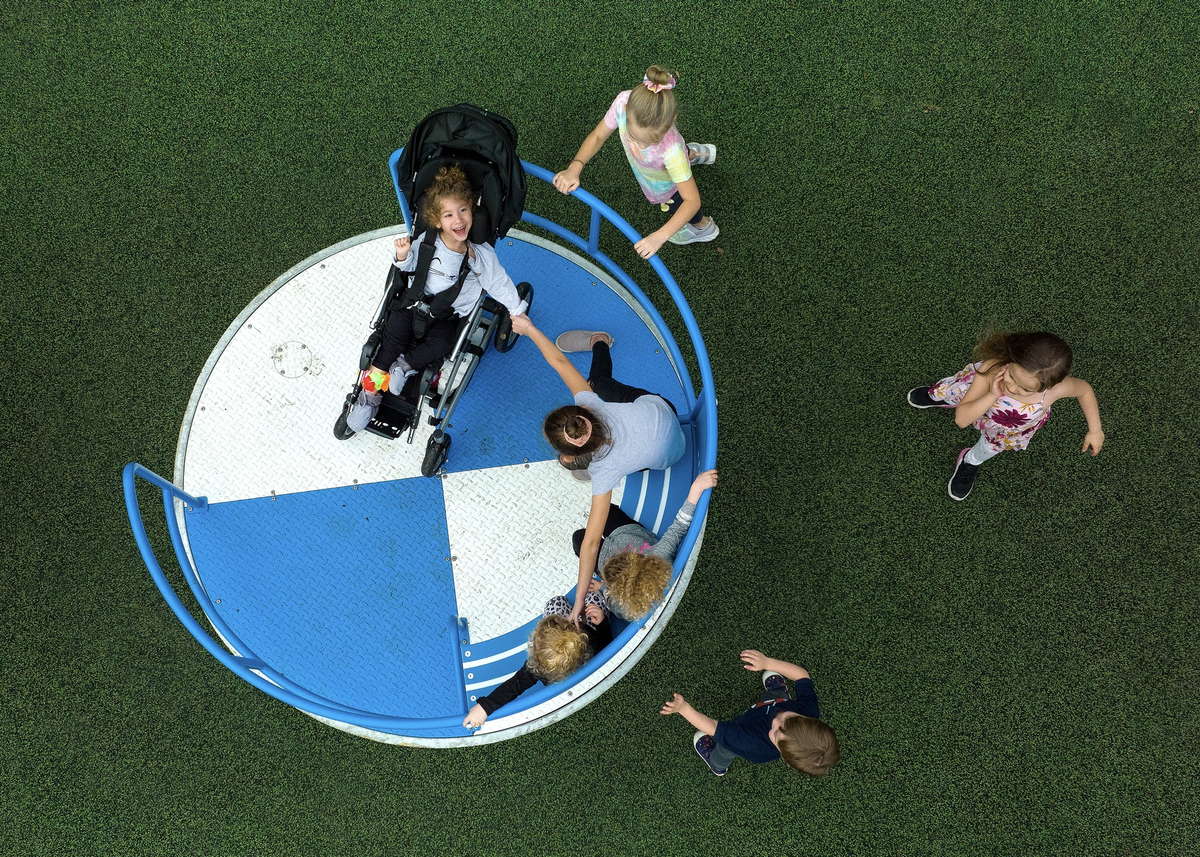
Support diverse movements and social interaction. Opportunities for climbing, swinging, balancing, and cooperative play help children build physical strength, communication skills, and social connections.
Be Comfortable
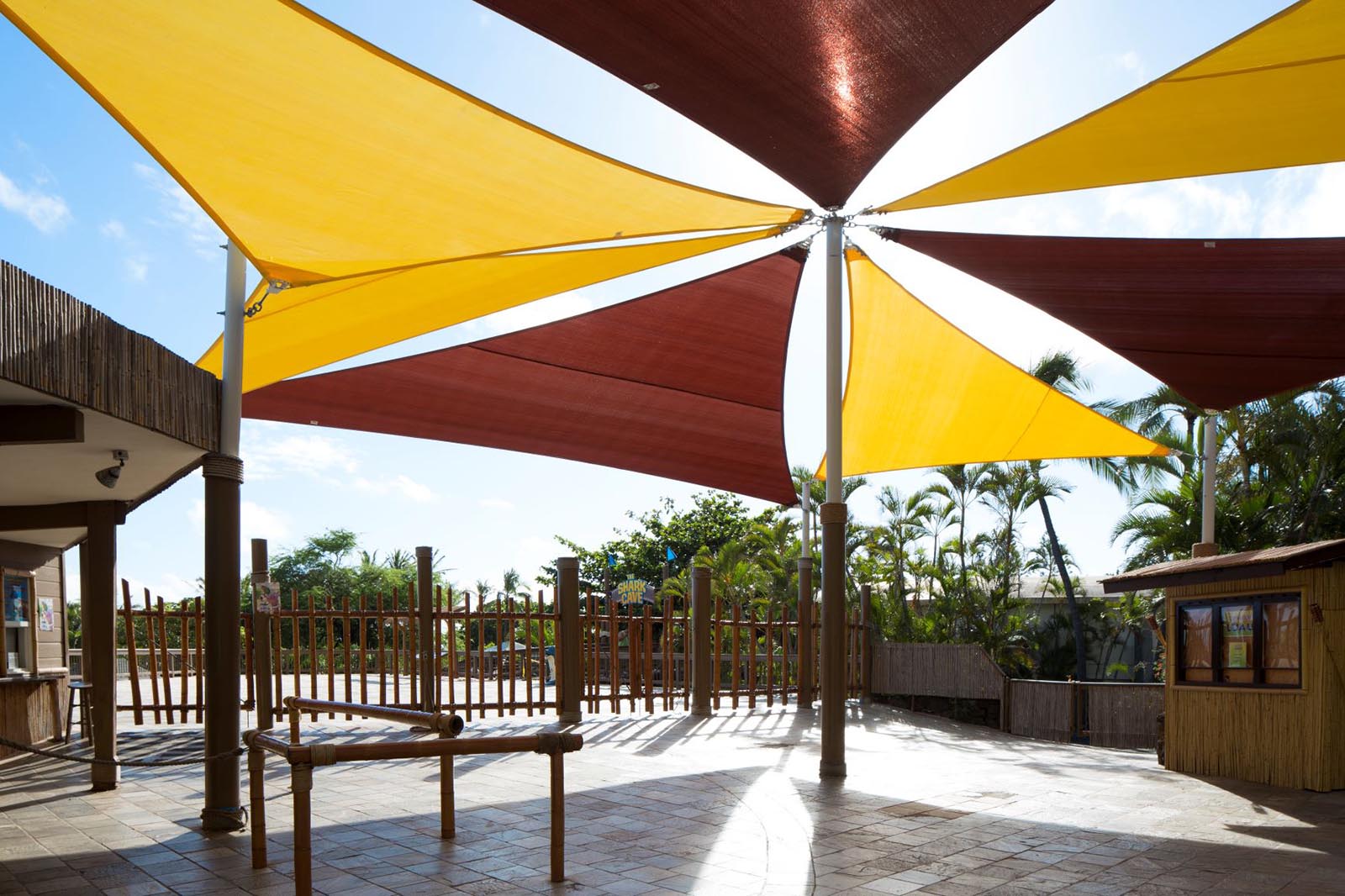
Create spaces for movement, rest, and connection. Shaded seating, quiet areas, and gathering spaces allow children and caregivers to rest, regulate, and enjoy the playground at their own pace.
Inclusive playgrounds designed around these principles do more than meet accessibility standards. They foster empathy, connection, and confidence. By supporting diverse needs and play styles, inclusive playground design benefits children, families, and entire communities.
At Cunningham Recreation, we bring these research-backed principles to every project, helping communities transform evidence into meaningful play experiences where all children can thrive together.
Bring Inclusive Play to Your Community
At Cunningham Recreation, we’re passionate about turning research into play experiences where every child belongs. Whether your community is planning a new playground or updating an existing space, we help design inclusive environments guided by the 7 Principles of Inclusive Playground Design.
Explore our inclusive playground design solutions and research-based play environments and learn how we partner with communities to create spaces that inspire connection, encourage exploration, and support children of all abilities here: Inclusive Play Solutions
Partner with us to build a playground where all children can play, grow, and thrive together. Contact Cunningham Recreation today to start planning your inclusive play space.
FAQ: Inclusive Playground Design
What makes a playground inclusive?
An inclusive playground supports children of all abilities by offering accessible, engaging, and developmentally appropriate play opportunities across physical, social, sensory, and cognitive domains.
How is inclusive playground design different from accessible design?
Accessibility focuses on entry and use, while inclusive playground design considers the entire play experience, ensuring children of all abilities can participate together in meaningful ways.
Why is research important in inclusive playground design?
Research-backed design helps ensure playgrounds support child development, social connection, and long-term community impact, rather than simply meeting minimum requirements.