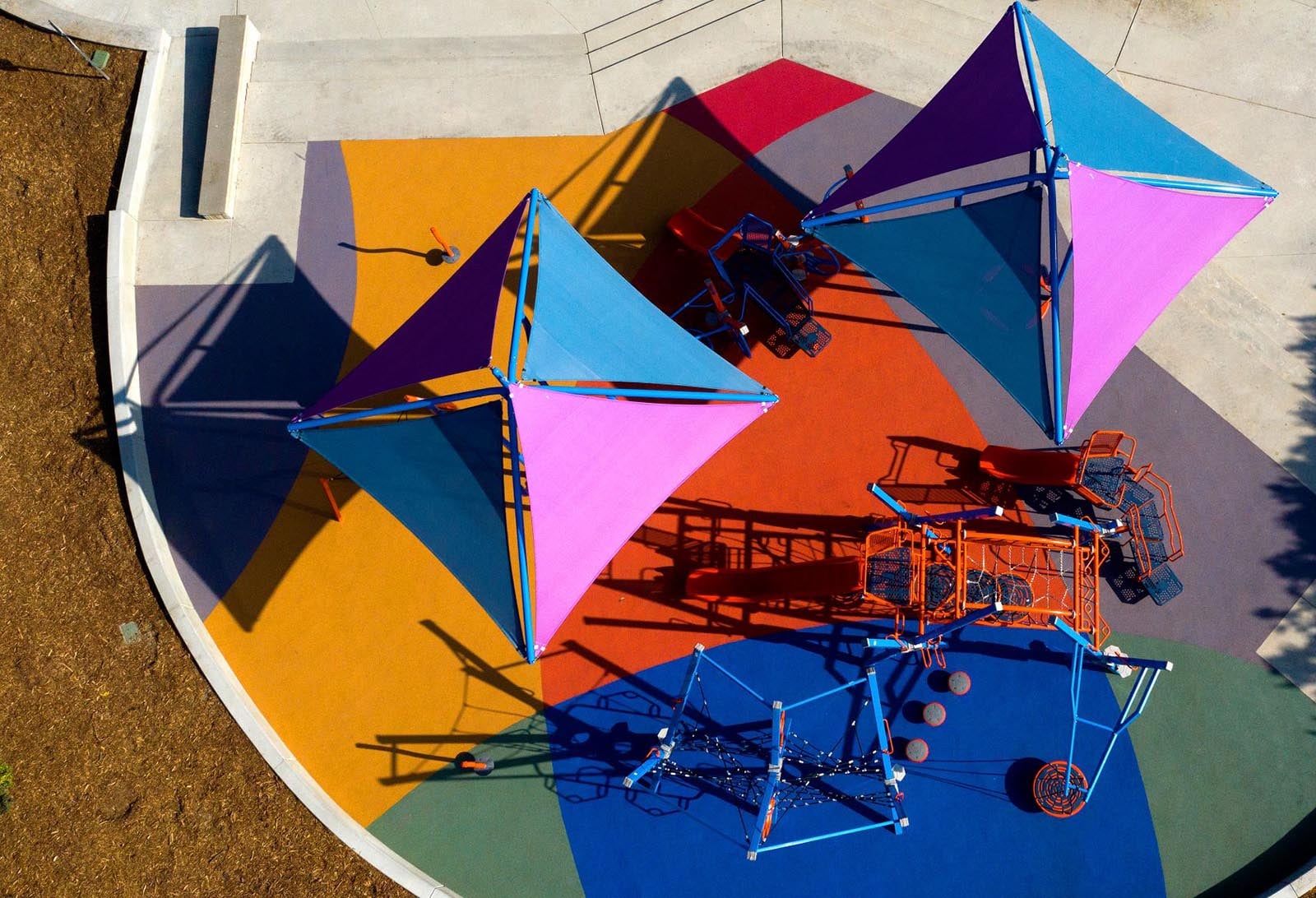
When designing a playground, the equipment often gets most of the attention, but what’s underneath it is just as important. Playground surfacing plays a critical role in safety, accessibility, durability, and the overall experience of a play space.
The right surface can help cushion falls, make playgrounds easier to navigate, withstand years of use, and even add color and visual interest to the design. But with several options available, how do you know which one is right for your project?
At Cunningham Recreation, we offer a range of playground surfacing solutions designed to meet different site conditions, budgets, maintenance needs, and design goals. Here’s a closer look at the most common options and when each may be the best fit.
Why Does Playground Surfacing Matter?
Playground surfacing is more than a finishing touch. It is an important part of creating a safe and accessible play environment.
Children naturally run, jump, climb, and move quickly on playgrounds, making falls an expected part of active play. Properly selected and maintained safety surfacing helps cushion falls and reduce the potential for serious injury. Surfacing should also be selected based on the equipment's fall height and designed to meet applicable safety and accessibility requirements.
Beyond safety, surfacing can affect how easily children, caregivers, and individuals using mobility devices move throughout a playground. A well-planned surface creates clear, usable pathways and helps make the entire play area more welcoming.
Poured-in-Place Rubber: Best for Customization and Accessibility
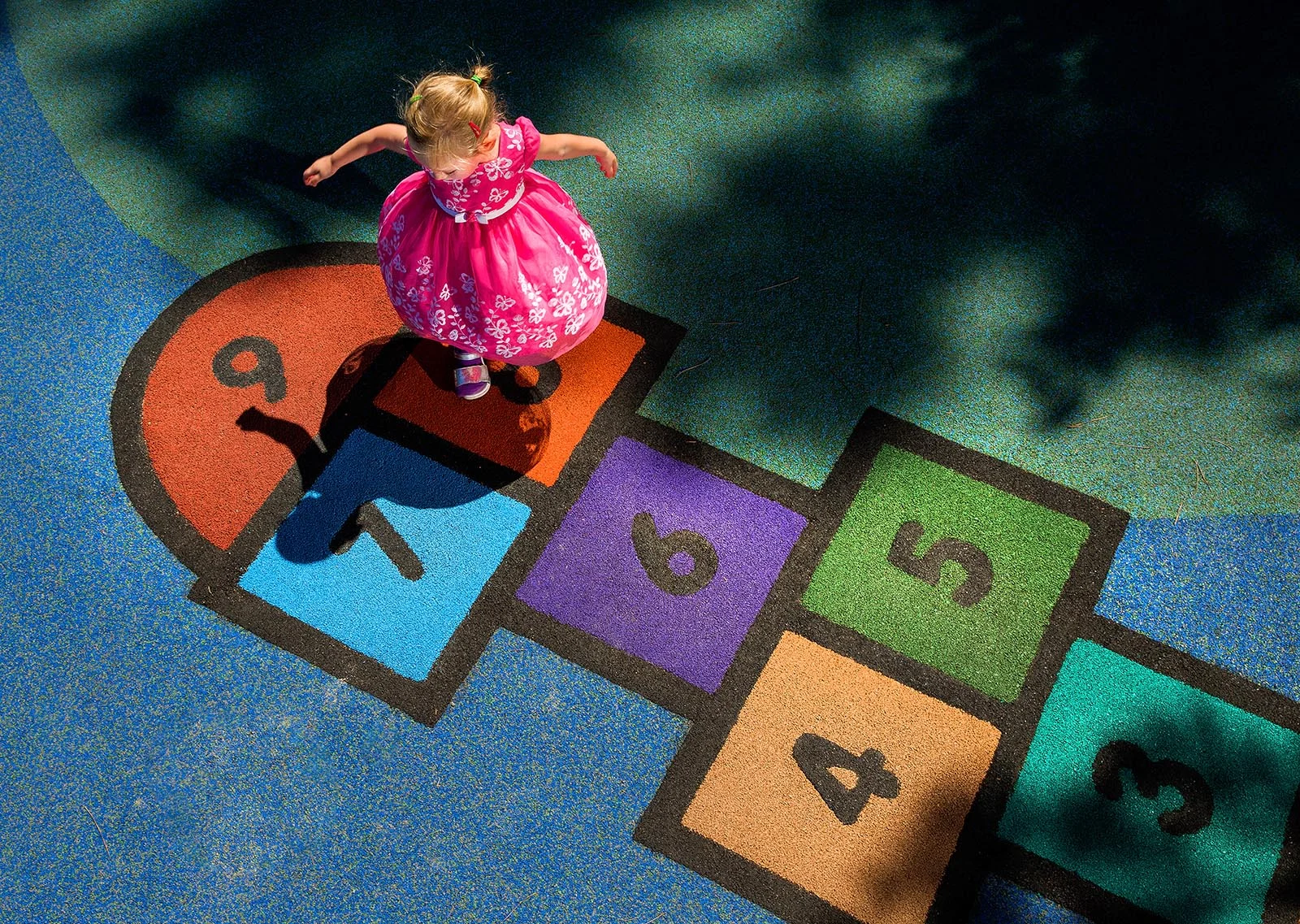
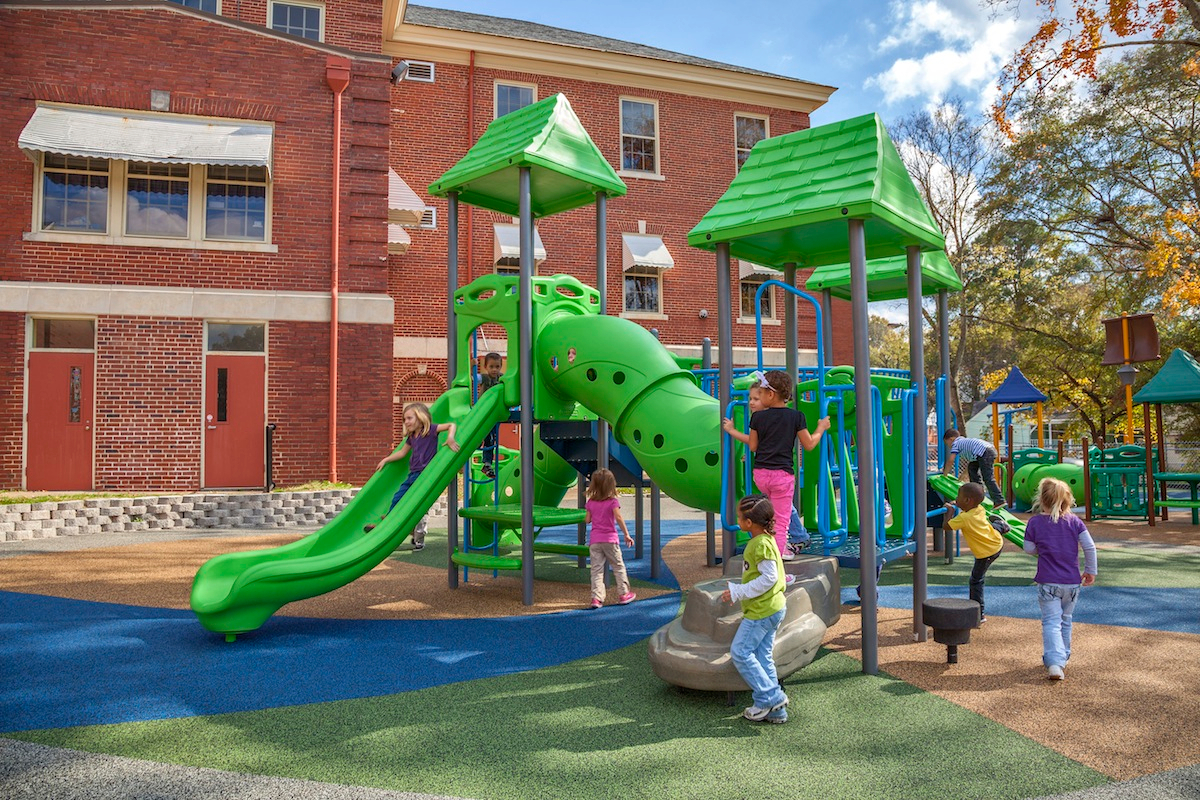
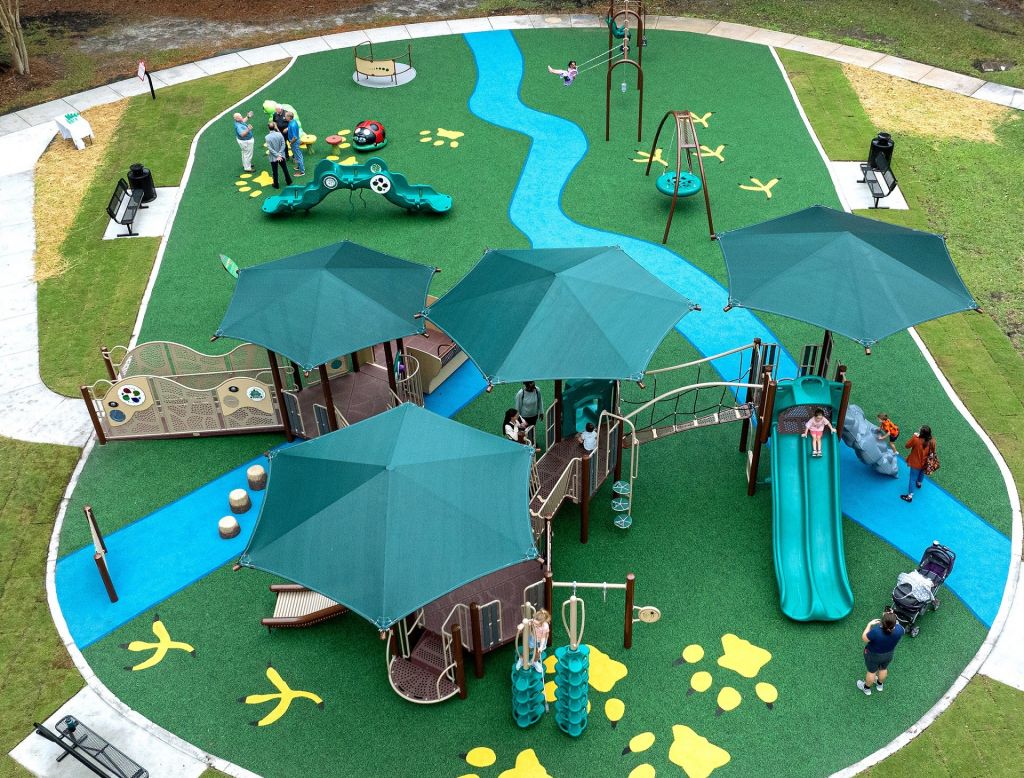
Poured-in-place rubber, a unitary surface often called PIP, is one of the most versatile playground surfacing options available. It creates a seamless surface that can be customized with colors, patterns, graphics, and other design elements.
Because it provides a firm, continuous surface, PIP can be a strong choice for inclusive playgrounds where accessibility and ease of movement are priorities. It can also be designed around different play areas and pathways to create a cohesive look.
Consider poured-in-place rubber when you want:
- A seamless, accessible surface
- Custom colors, patterns, or graphics
- A durable option for high-use playgrounds
- A surface that complements an inclusive playground design
For communities looking to make their playground both functional and visually distinctive, PIP offers plenty of design flexibility.
Engineered Wood Fiber: A Budget-Friendly Choice
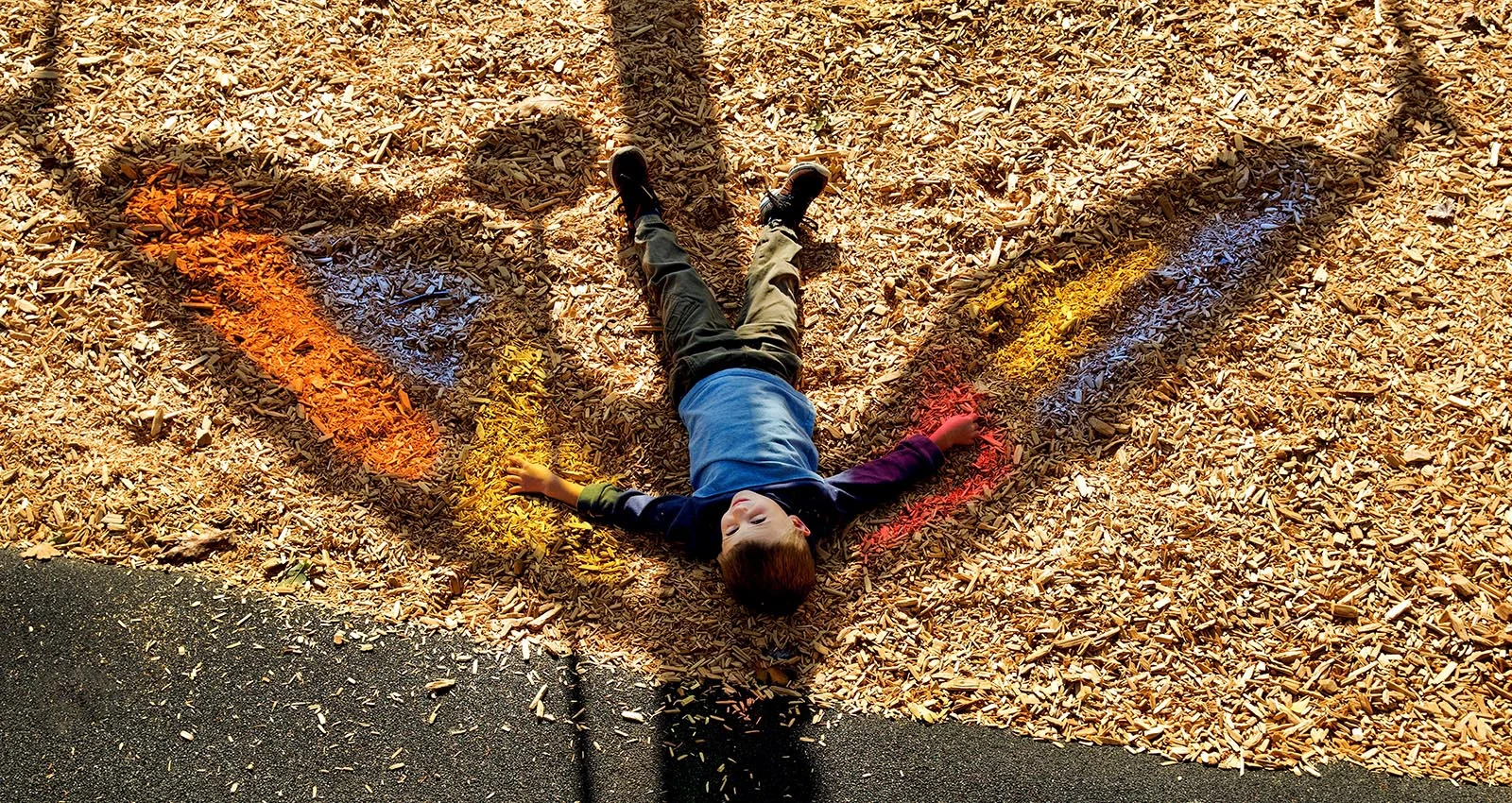
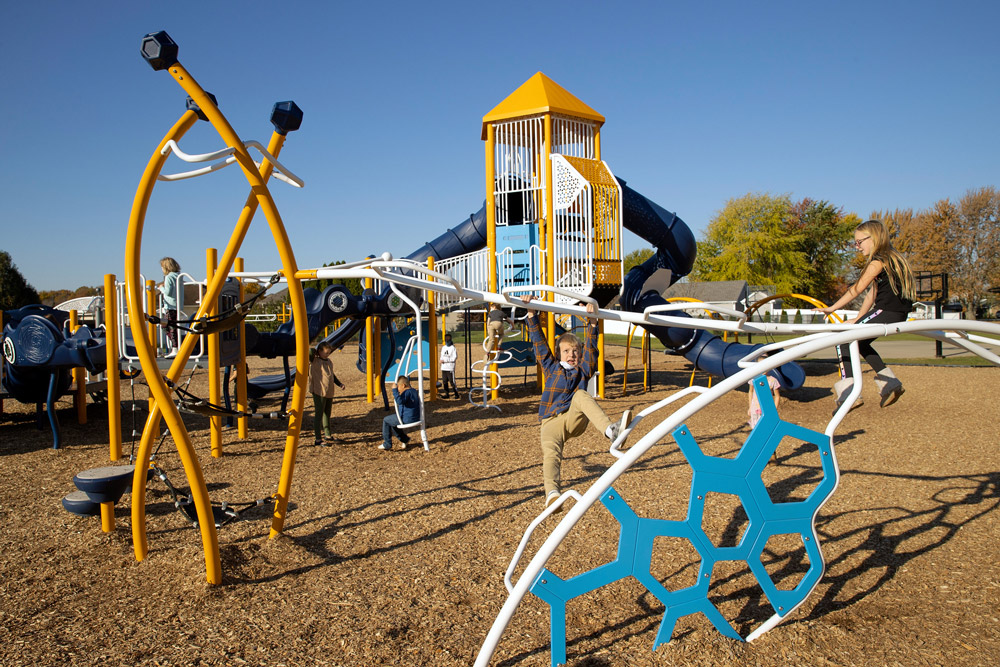
Engineered wood fiber, or EWF, is a loose-fill surfacing option made specifically for playground applications. It provides cushioning beneath play equipment while offering a more natural appearance.
EWF is often a popular choice for schools, parks, and community playgrounds where budget is an important consideration. It can also complement playgrounds with a more traditional or natural aesthetic.
Because it is a loose-fill material, EWF requires regular maintenance. It can shift or become displaced in high-use areas, so communities should plan for routine raking, leveling, and replenishment to maintain proper coverage. Some type of containment border system should be used to avoid displacement.
Consider EWF when you want:
- A cost-effective safety surfacing option
- A natural-looking playground environment
- A solution for schools or community parks
- Loose-fill surfacing that can be replenished over time
Synthetic Turf: A Low-Maintenance, All-Weather Option
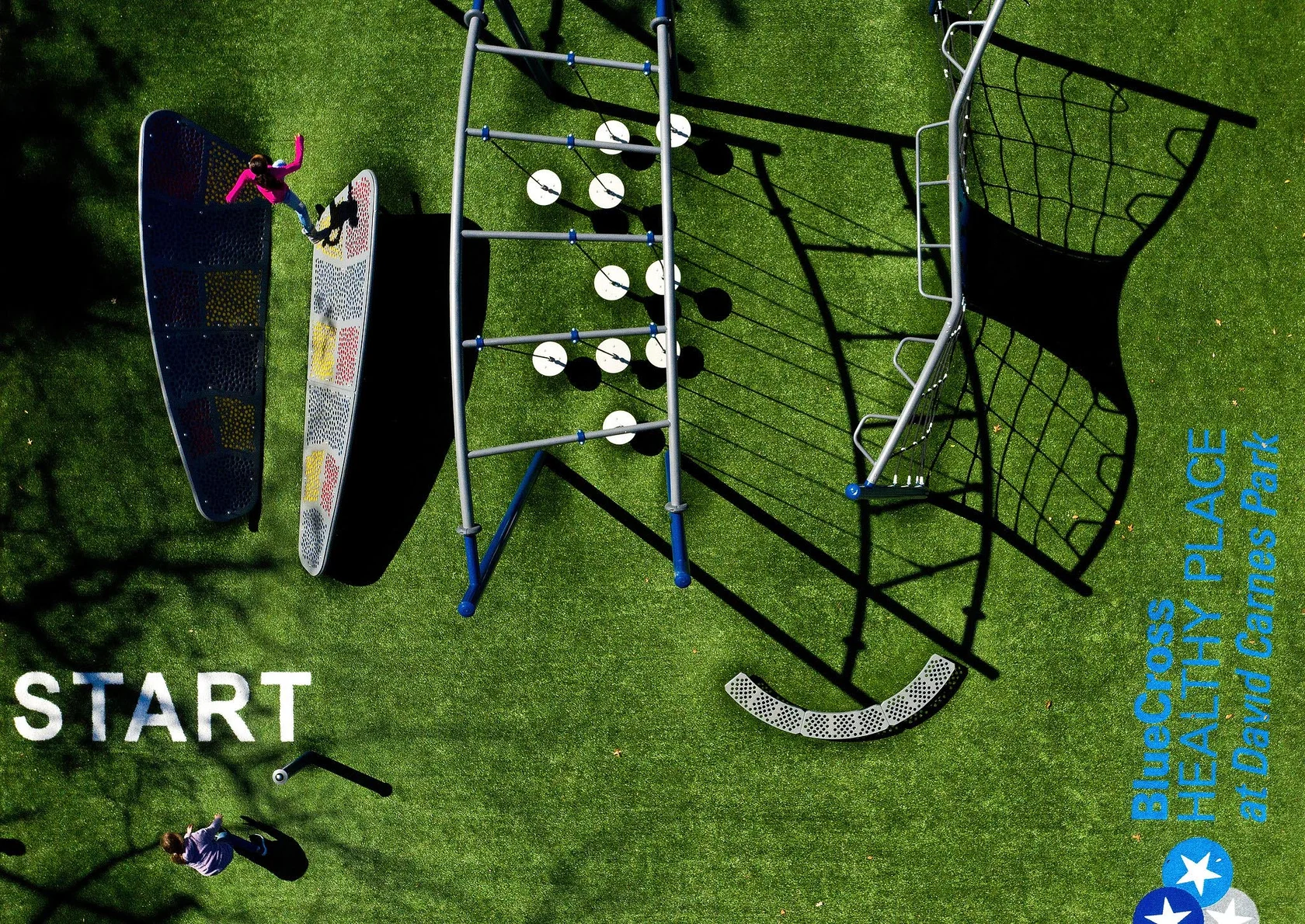
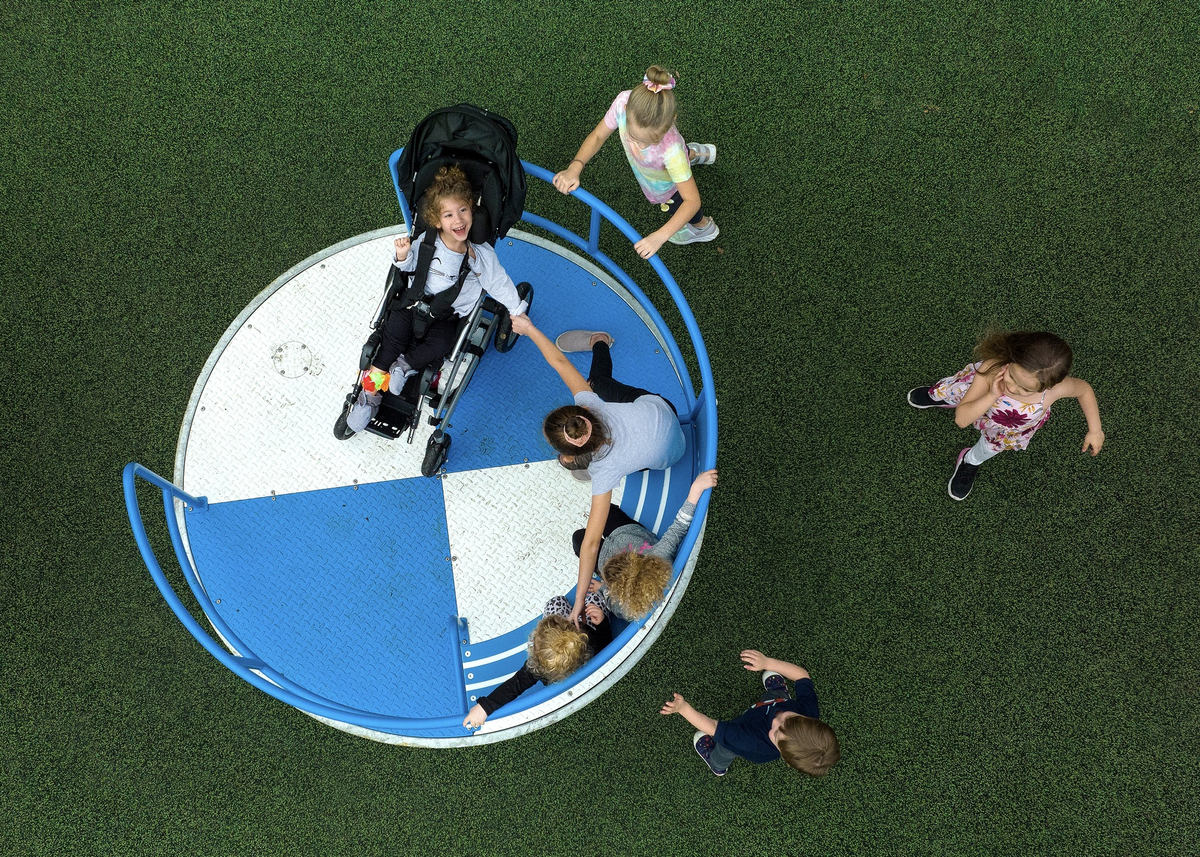
Synthetic turf, another unitary surface type, provides the look of grass without the maintenance requirements of natural grass. It can create a soft, consistent surface and is well suited for playgrounds and multi-use recreation areas.
One of its biggest advantages is versatility. Synthetic turf can be incorporated into larger recreation spaces and can provide a consistent surface in areas where natural grass may struggle with heavy foot traffic or changing weather conditions.
Consider synthetic turf when you want:
- A realistic grass-like appearance
- A low-maintenance surface
- A versatile option for playgrounds and multi-use areas
- A consistent surface that can be used in a variety of recreation settings
Rubber Tile: Durable and Easy to Replace
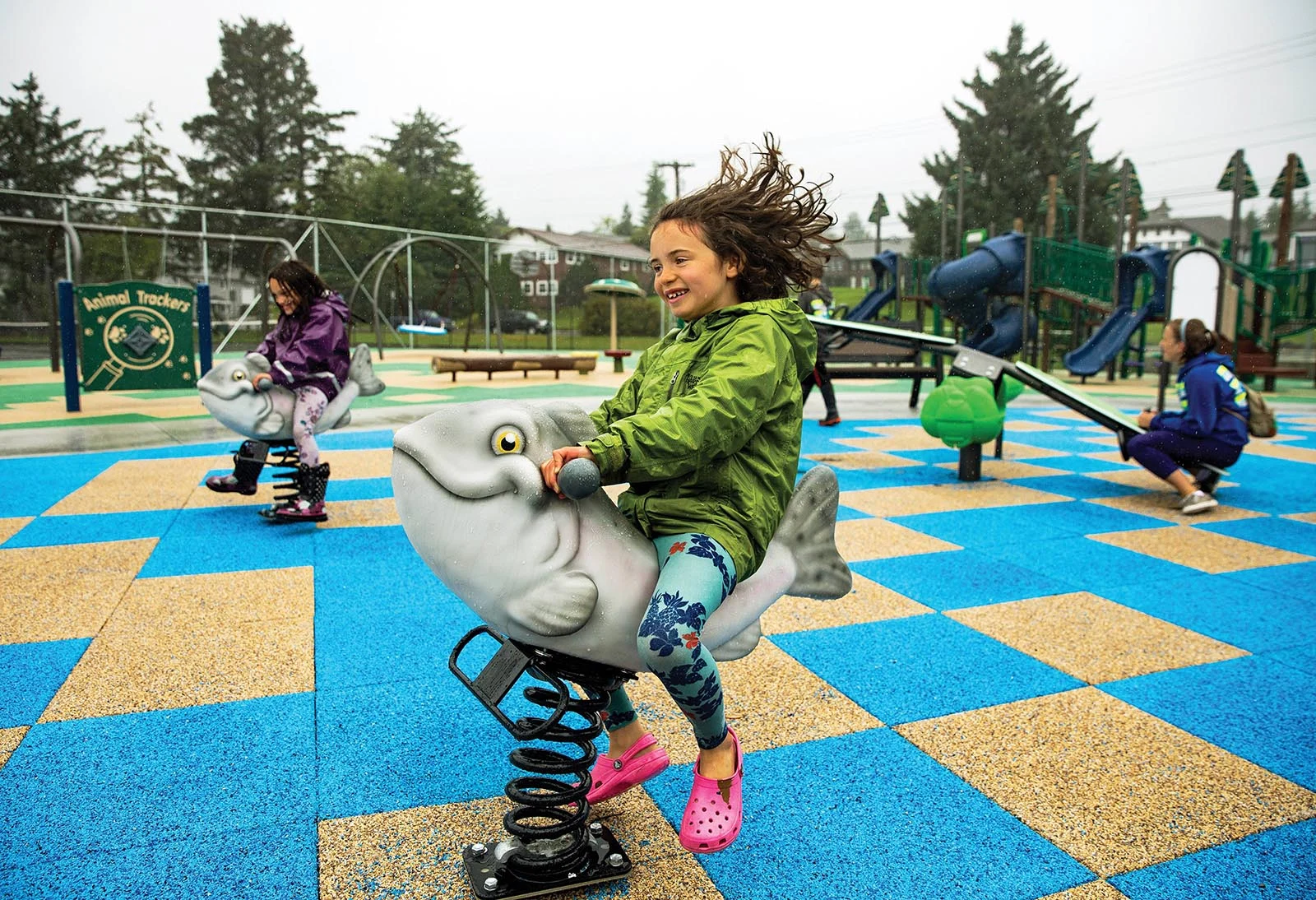
Rubber tiles offer another unitary surfacing option for playgrounds. These interlocking tiles create a durable, slip-resistant surface and can be particularly useful in areas that experience heavy use.
One advantage of rubber tile is that individual tiles can be replaced if necessary rather than replacing the entire surface. This can make maintenance more manageable over the long term.
Consider rubber tile when you want:
- A durable surface for high-traffic areas
- Interlocking installation
- A slip-resistant surface
- The ability to replace individual sections when needed
Shredded Rubber Mulch: Cushioning With Color Options
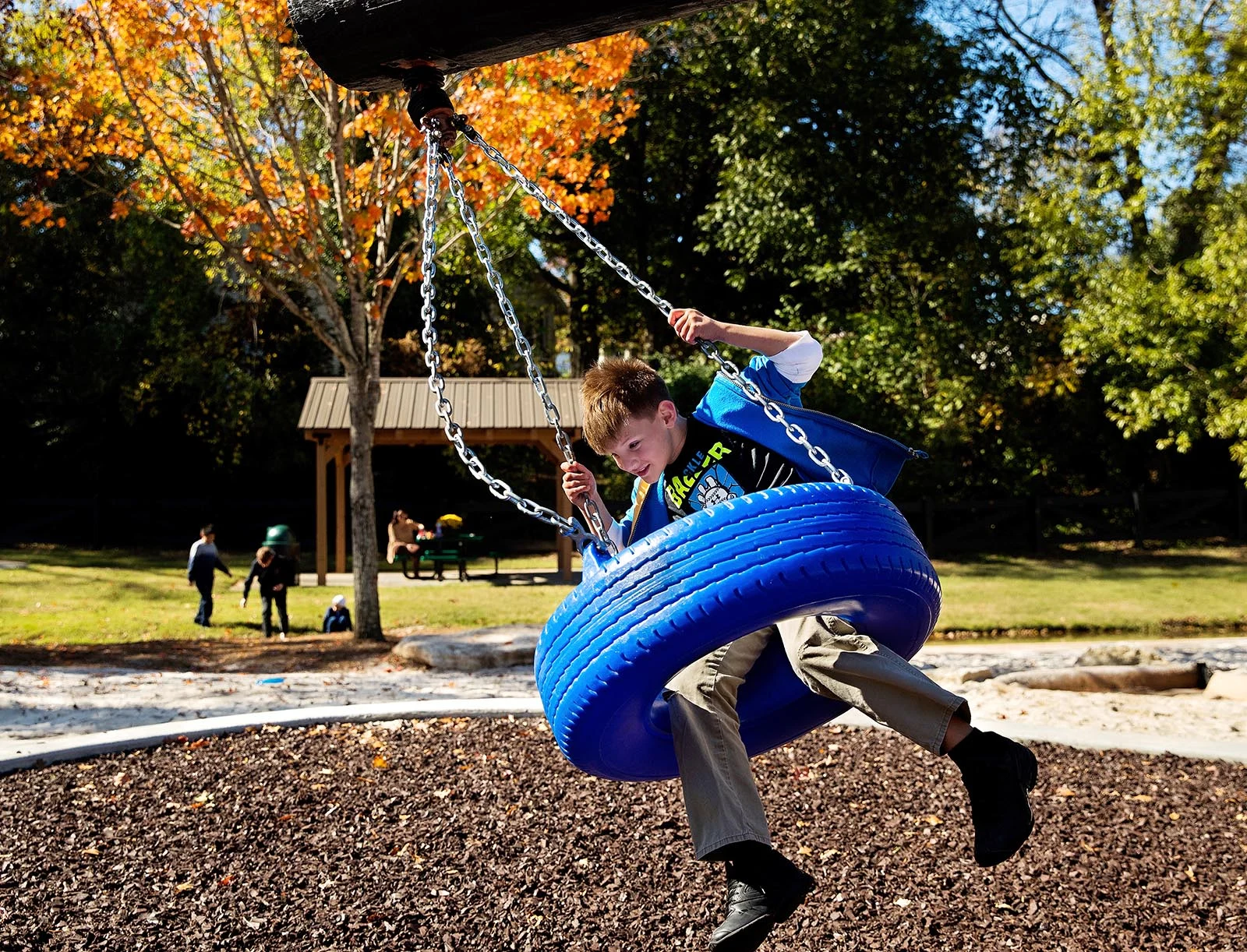
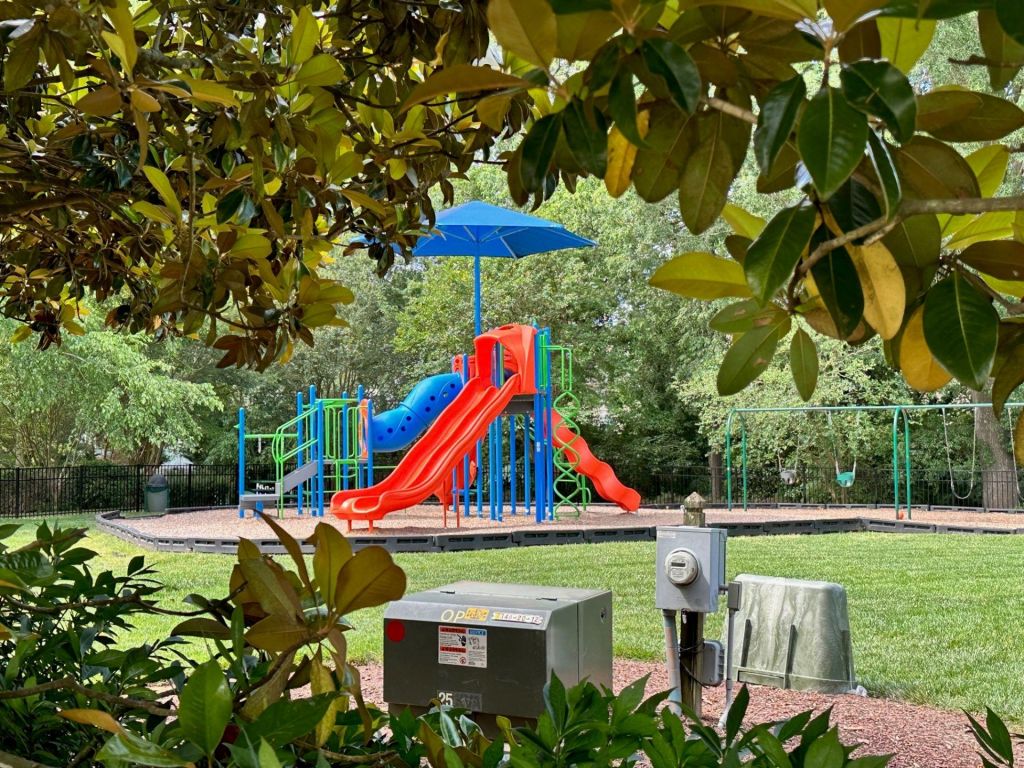
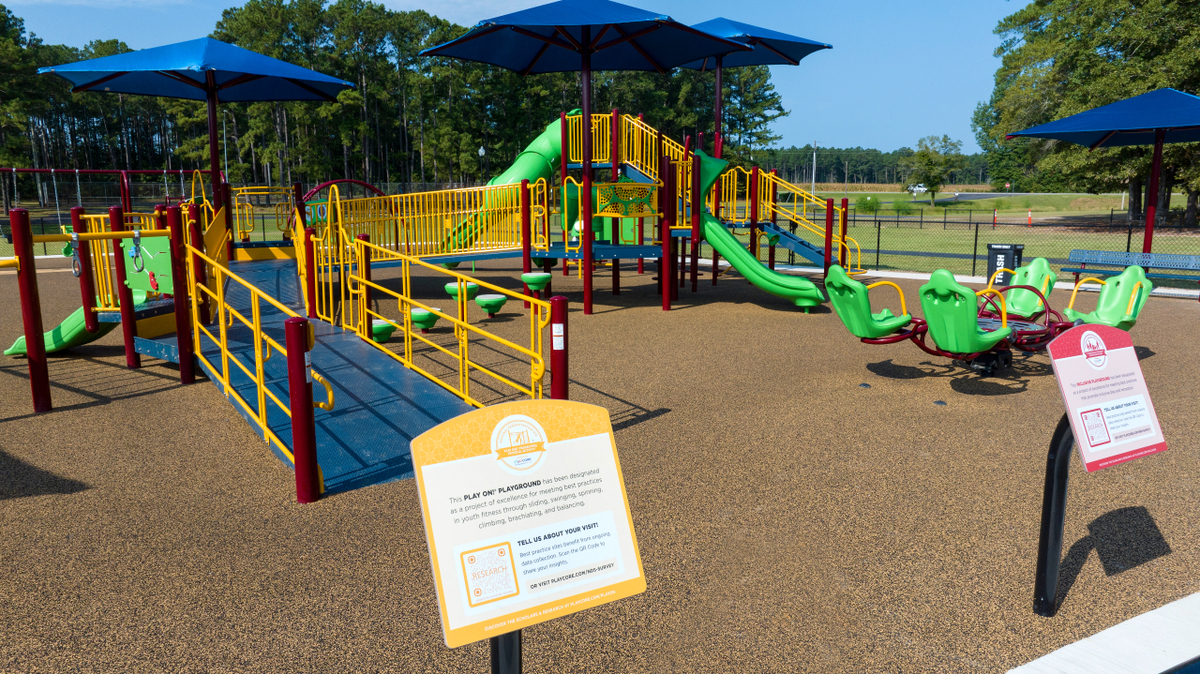
Shredded rubber mulch is a loose-fill surfacing option made from recycled tires. It provides cushioning beneath playground equipment and is available in different colors, allowing communities to coordinate the surfacing with their playground design.
Like other loose-fill materials, rubber mulch requires maintenance to ensure it remains properly distributed and provides the intended level of protection.
Consider shredded rubber mulch when you want:
- A recycled loose-fill option
- Cushioning beneath playground equipment
- Color choices to complement your playground
- A surface with drainage capabilities
Bonded Rubber: Seamless and Low Maintenance
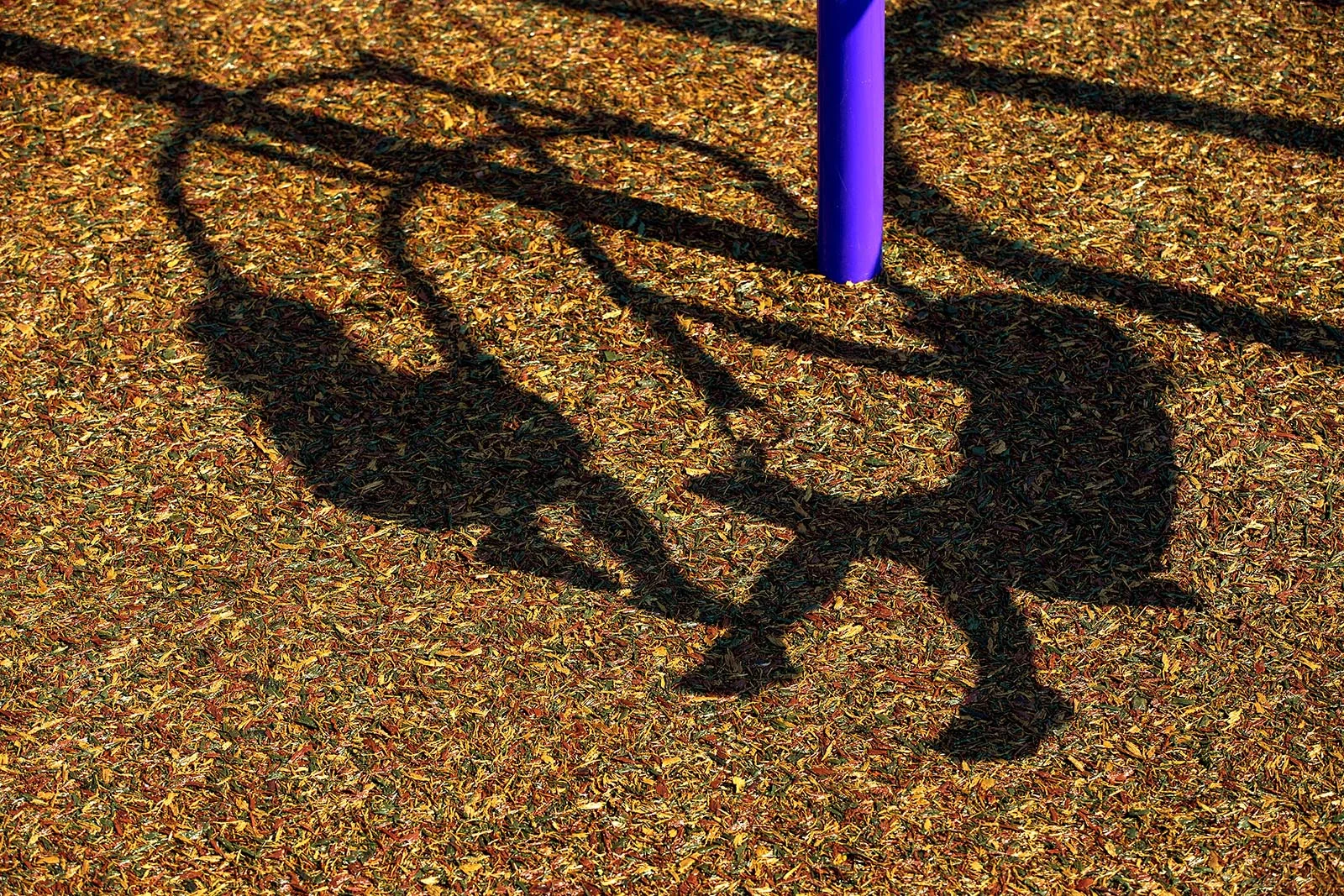
Bonded rubber combines the benefits of recycled rubber with a more seamless installation. The material can be bonded together to create a continuous or unitary surface for playgrounds, pathways, and activity areas.
Its customizable colors and patterns can also help define different zones within a recreation space while creating a polished, cohesive appearance.
Consider bonded rubber when you want:
- A seamless rubber surface
- Low-maintenance surfacing
- Custom colors or patterns
- Surfacing that can extend beyond the playground into pathways or activity areas
So, Which Playground Surface Is Right for You?
There isn't one surfacing material that is best for every playground. The right choice depends on several factors, including your budget, site conditions, expected traffic, maintenance capabilities, accessibility goals, equipment fall heights, and desired appearance.
|
Surfacing |
A Good Fit For |
|
Poured-in-Place Rubber |
Inclusive playgrounds, high-use areas, custom designs |
|
Engineered Wood Fiber |
Schools, parks, and budget-conscious projects |
|
Synthetic Turf |
Low-maintenance and multi-use recreation areas |
|
Rubber Tile |
High-traffic areas and projects where individual replacement is beneficial |
|
Shredded Rubber Mulch |
Loose-fill applications and colorful playground designs |
|
Bonded Rubber |
Seamless surfaces, pathways, and activity areas |
Don't Design the Playground Without Designing the Surface
A playground's surfacing should be considered early in the planning process, not added as an afterthought. The surface you choose can influence accessibility, maintenance, aesthetics, budget, and how the playground functions for years to come.
Cunningham Recreation can help you evaluate your options and select surfacing that works with your equipment, site, design, and community needs. From loose-fill options like engineered wood fiber and shredded rubber to unitary surfaces like poured-in-place rubber, synthetic turf, rubber tile, and bonded rubber, we can help you find the right solution for your project.
Ready to start planning? Contact Cunningham Recreation today to find the right foundation for your next play space.