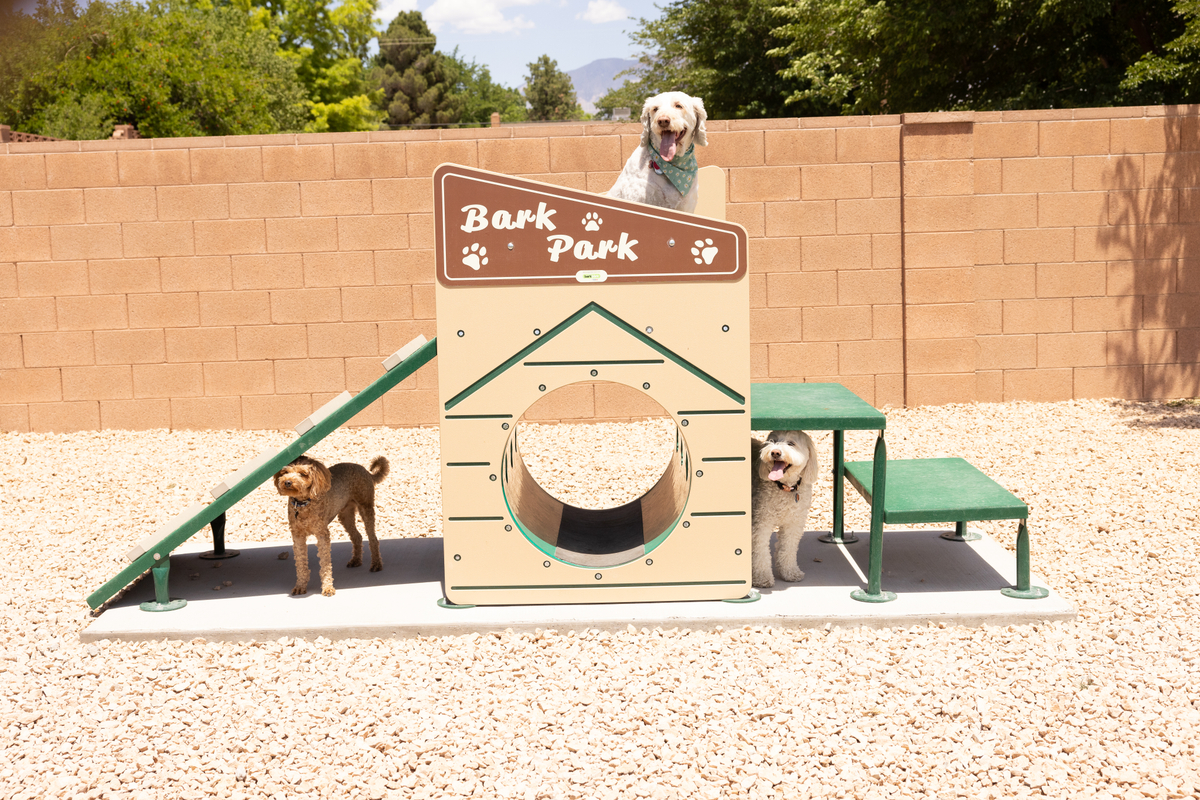
Dog parks have become essential community amenities. They are places where dogs can run, explore, and socialize while their owners connect, relax, and enjoy the outdoors. But a great dog park is never just a fenced‑in field. It’s a thoughtfully planned destination that balances comfort, safety, durability, and long‑term maintenance.
Whether you’re building a new dog park or upgrading an existing one, a strong design strategy can transform a simple open space into a community favorite.
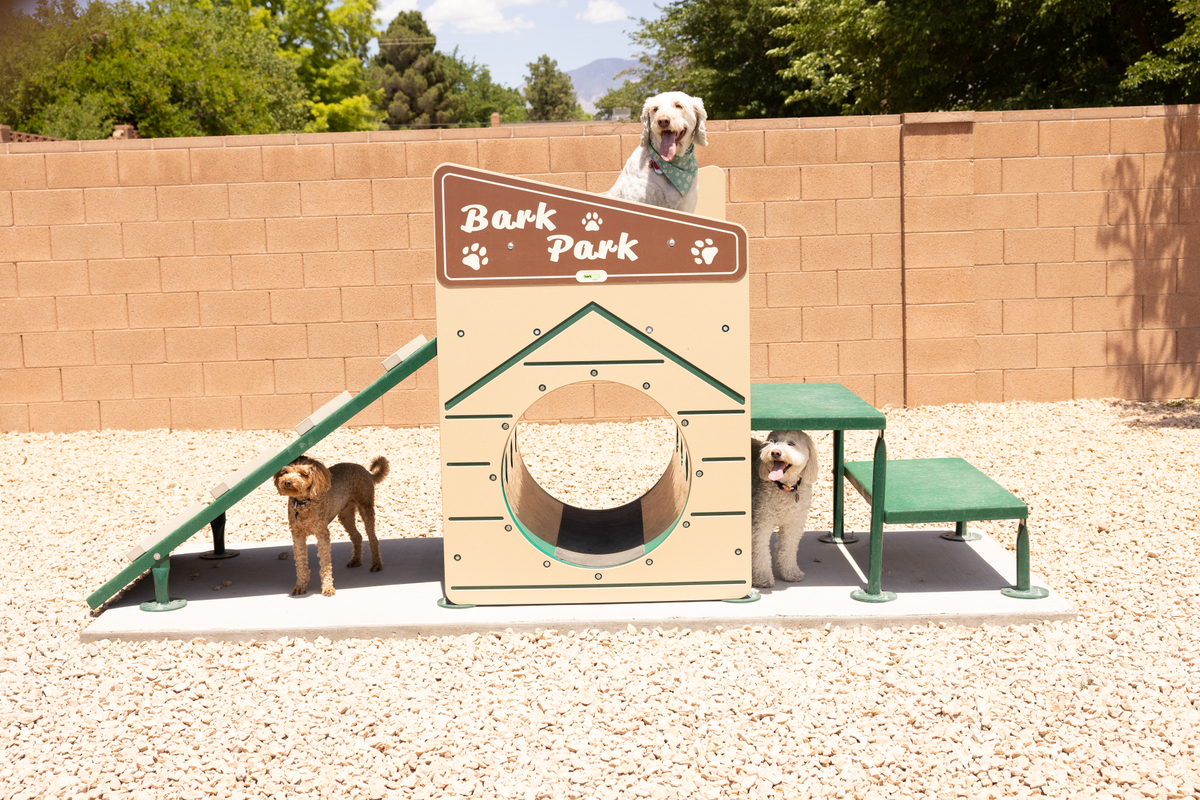
Start With a Complete Site Plan
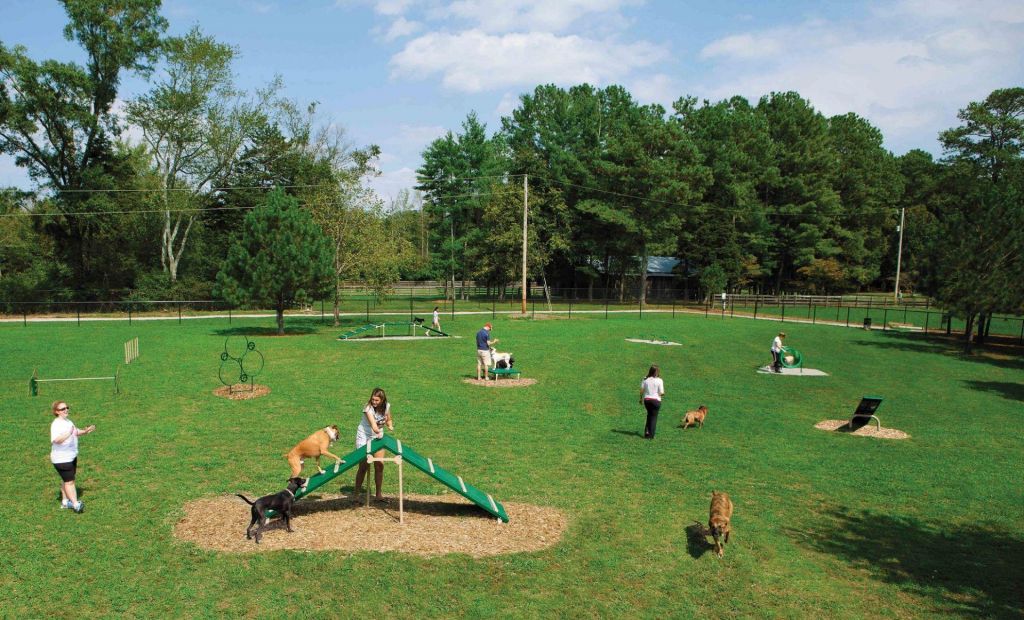
A successful dog park begins long before the fence goes up. A complete site plan considers how dogs and their handlers arrive, enter, move through, and use the space.
Key planning elements include:
- Accessible routes that connect parking, entrances, seating, and amenities
- Double‑gated vestibules for secure transitions
- Clear sightlines for supervision
- Separate areas for different dog sizes or play styles
Operational needs matter too. Maintenance vehicles require access, and waste stations should be placed where they’re convenient to play and circulation.
Choose Durable Surfacing and Plan for Drainage
Surfacing is one of the most important decisions in dog park design. Dogs run, dig, jump, and wear down materials quickly, and poor drainage can turn a park into a muddy maintenance challenge.
Common surfacing options include:
- Engineered turf
- Resilient rubber surfacing
- Natural grass
- Mulch or engineered wood fiber
A mixed‑surface strategy often works best, using durable materials at entrances, water stations, and high‑traffic zones while preserving turf in lower‑wear areas.
Drainage is equally critical. Grading, swales, and subsurface systems should move water away from entrances, seating, and activity zones to prevent puddling and long‑term damage.
Add Purposeful Play and Agility Features
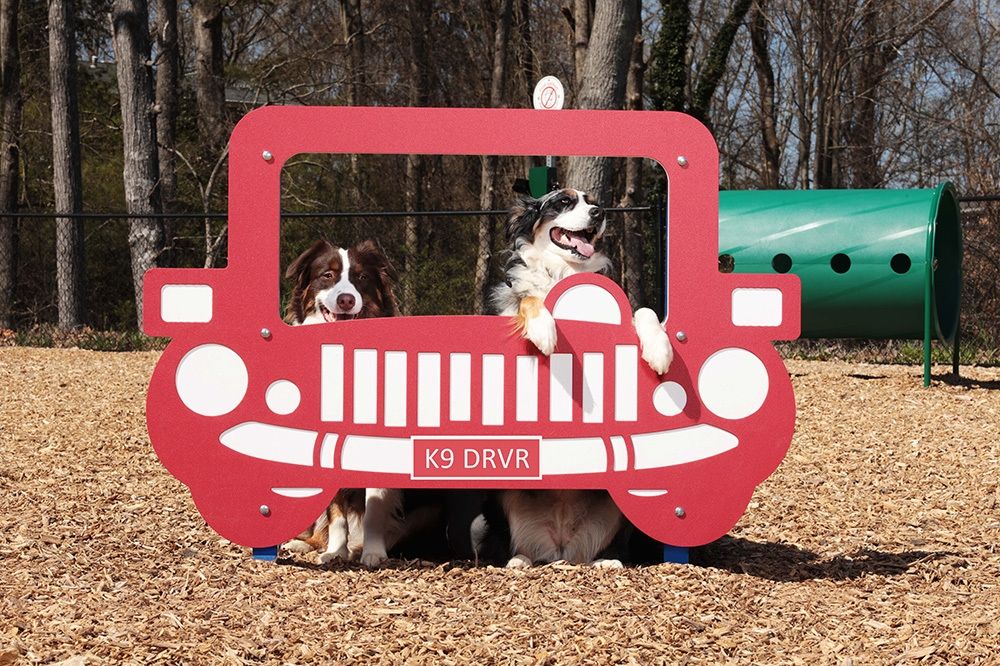
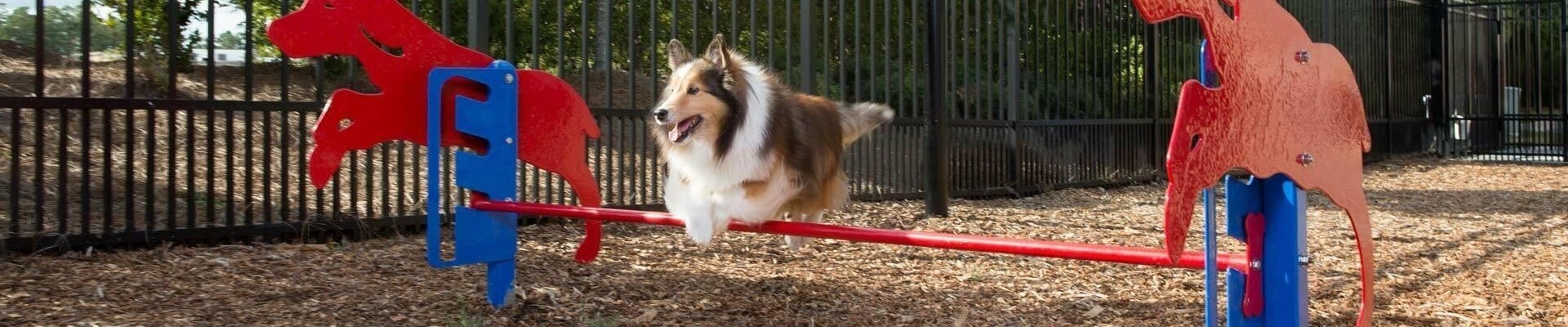
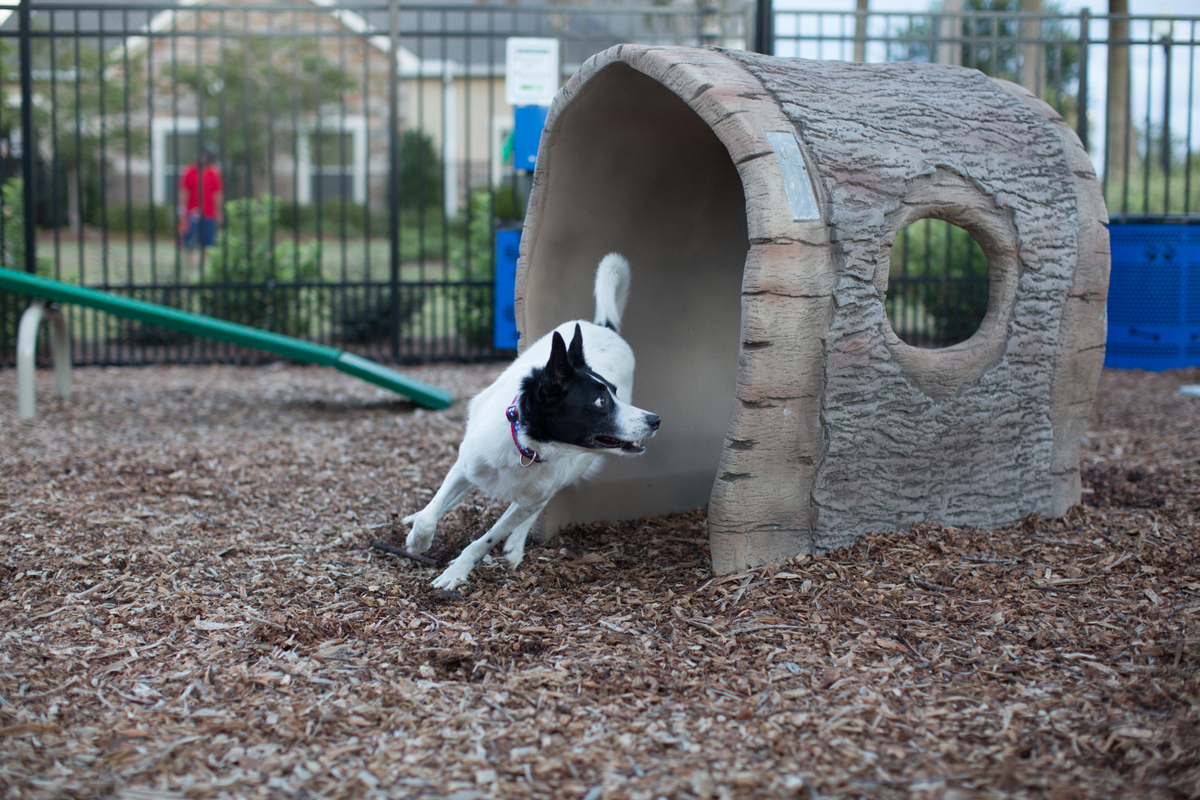
Agility equipment transforms a basic dog park into an engaging environment that supports both physical activity and mental stimulation.
Popular features include:
- Agility ramps
- Tunnels
- Jumps and hurdles
- Weave poles
- Balance and climbing elements
Choose equipment that supports a range of abilities, not just highly trained dogs. Placement matters: keep features away from gates, fountains, and benches to avoid congestion and maintain safe circulation.
Provide Shade and Comfortable Seating
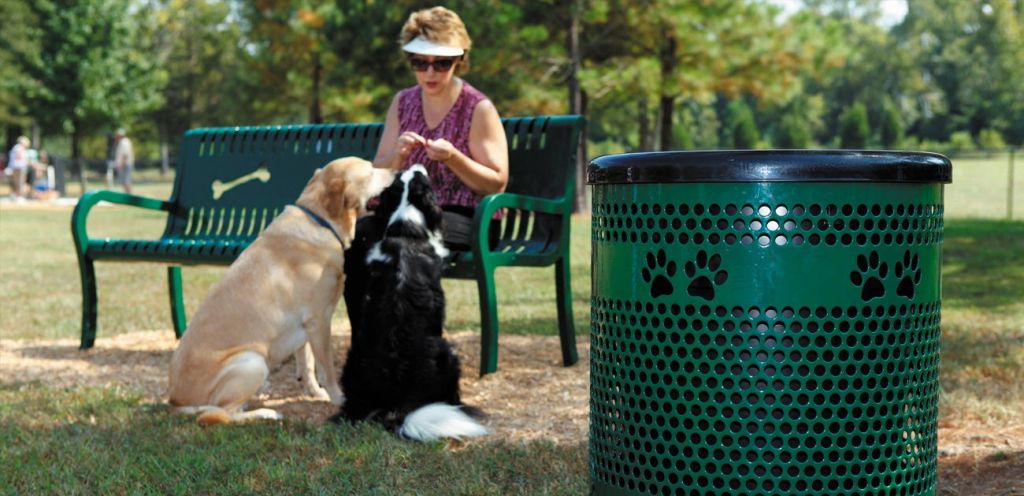
Dog parks serve people just as much as pets. Shade and seating help visitors stay longer and enjoy the space more comfortably.
Strong shade strategies include:
- Shade structures for predictable coverage
- Trees for long‑term natural shade (with protection from digging and compaction)
- Sun‑angle studies to ensure coverage lands where people actually gather
Benches should offer clear views of active areas without obstructing circulation. Grouping seating near shade and water stations creates natural gathering zones.
Plan Reliable Water Access
Water access is essential, but it must be thoughtfully designed.
Consider:
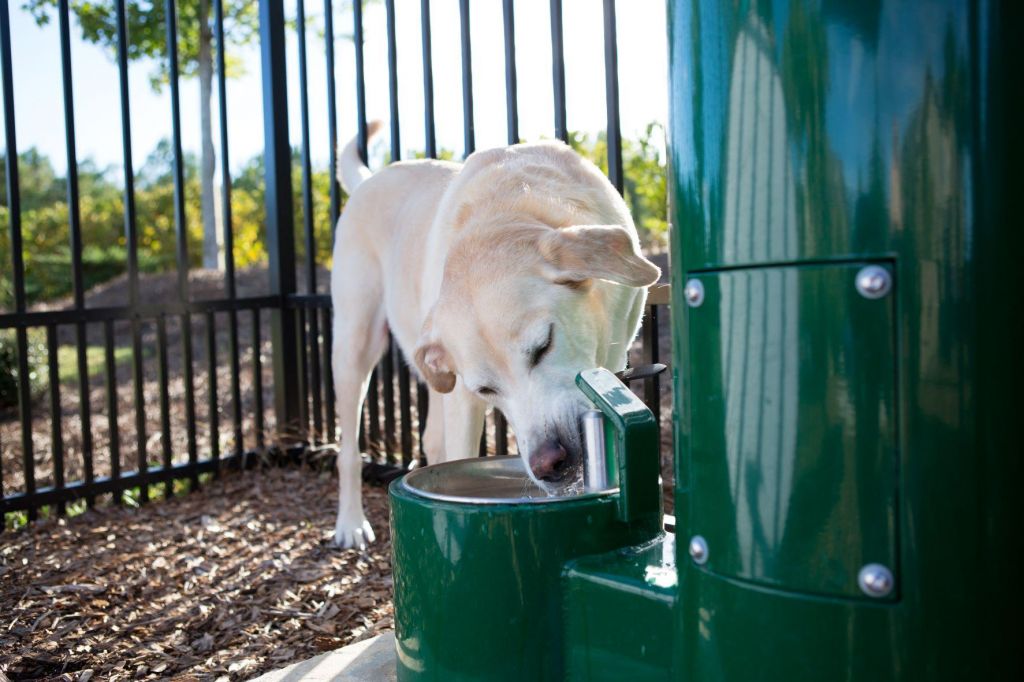
- Separate drinking heights for dogs and handlers
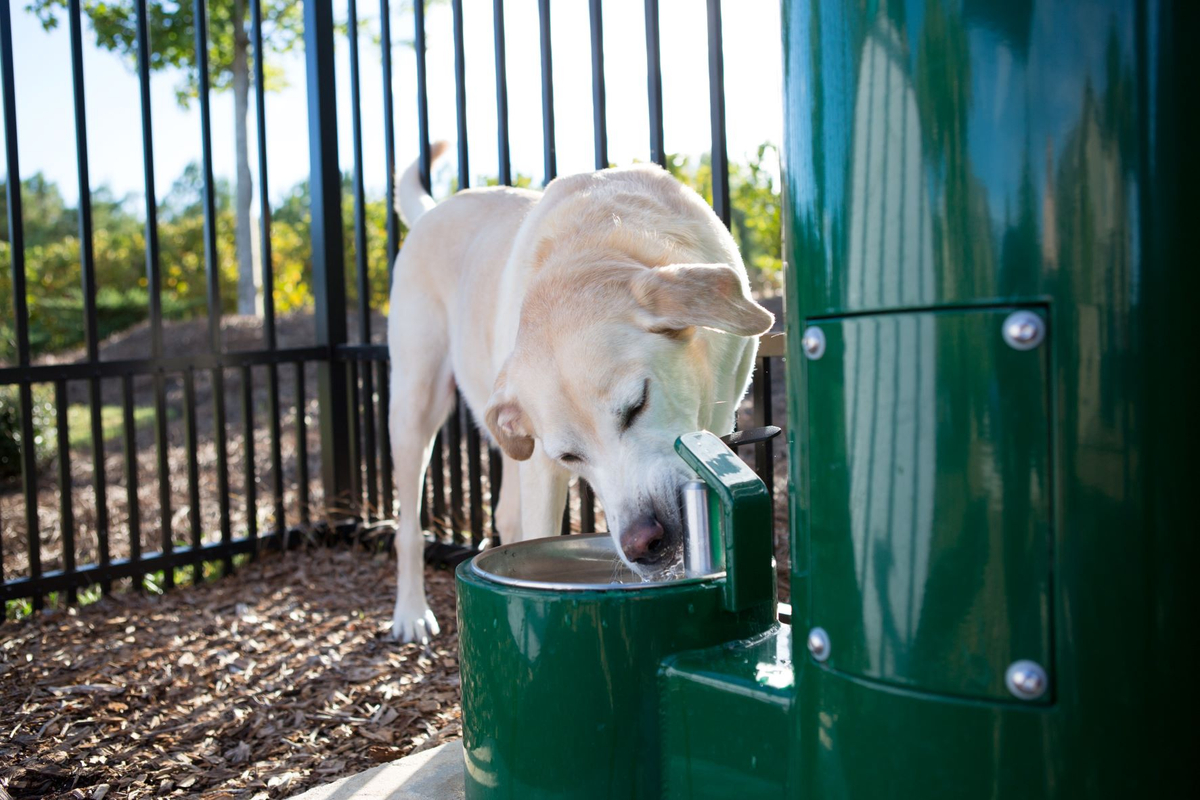
- Pet‑friendly fountains with easy‑to‑operate controls
- Hose bibs for cleaning (with clear policies on use)
- Drainage strategies to manage overspray and runoff
- Seasonal needs such as winterization or drought restrictions
A well‑planned water system keeps dogs hydrated, supports maintenance, and prevents crowding at a single point.
Design for Accessibility, Safety, and Daily Operations
A dog park should be easy to navigate, easy to supervise, and easy to maintain.
Key considerations:
- Accessible pathways to entrances, seating, and amenities
- Secure fencing and gates with safe transitions
- Clear activity zones to reduce conflicts
- Waste stations and signage that reinforce park expectations
- Maintenance‑friendly layouts that support mowing, cleaning, and repairs
A beautiful concept only succeeds if it can be maintained year after year.
Build a Destination Your Community Will Love
The best dog parks balance the needs of dogs, their handlers, and the agencies that care for them. When surfacing, drainage, shade, water access, agility features, circulation, and maintenance planning work together, the result is a park that feels welcoming, safe, and enjoyable for everyone.
A great dog park isn’t just a place for dogs to run, it’s a community gathering space built for connection, comfort, and long‑term use.
Ready to start planning a dog park that goes beyond grass and fencing? Request a quote today.