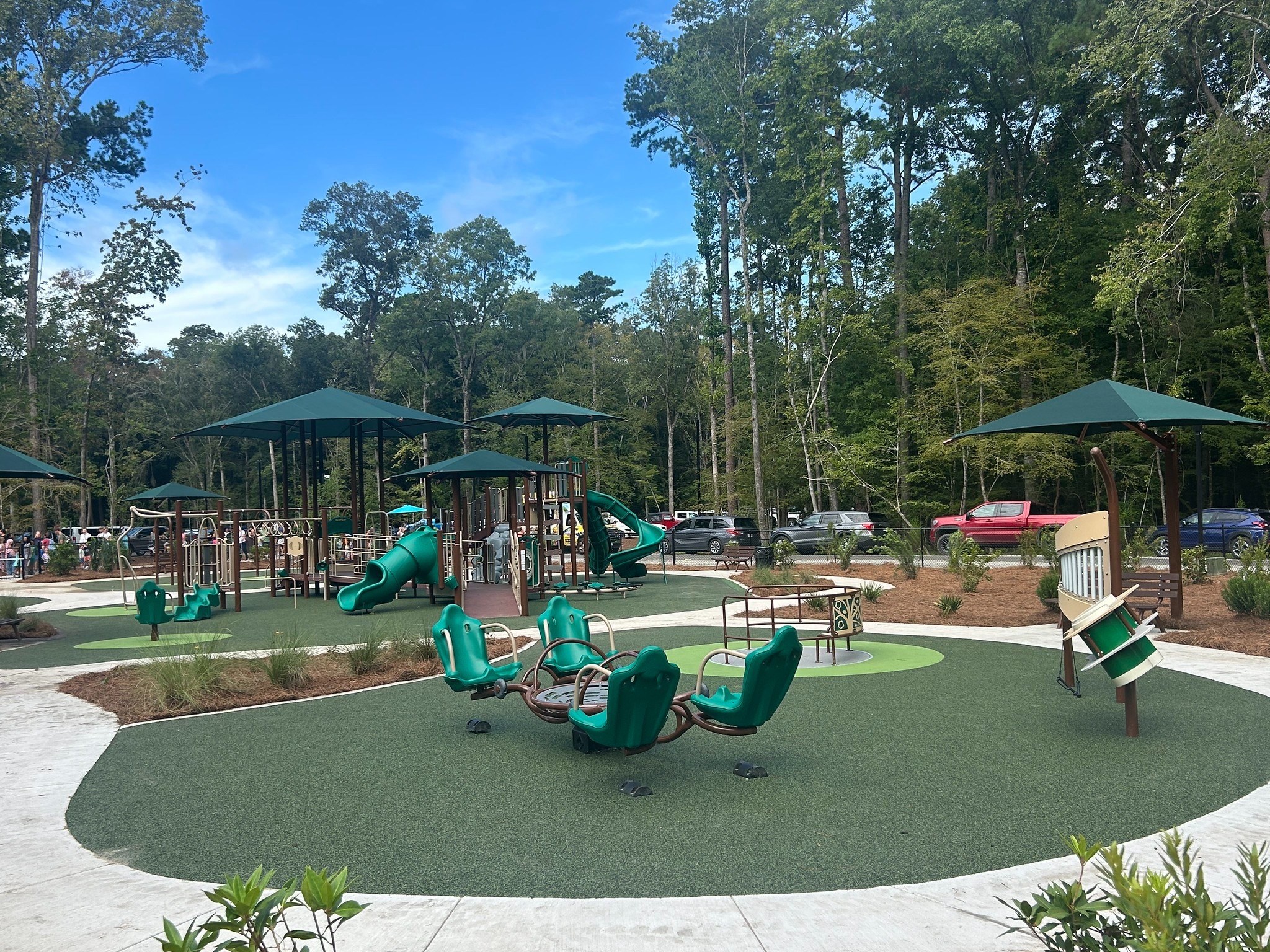
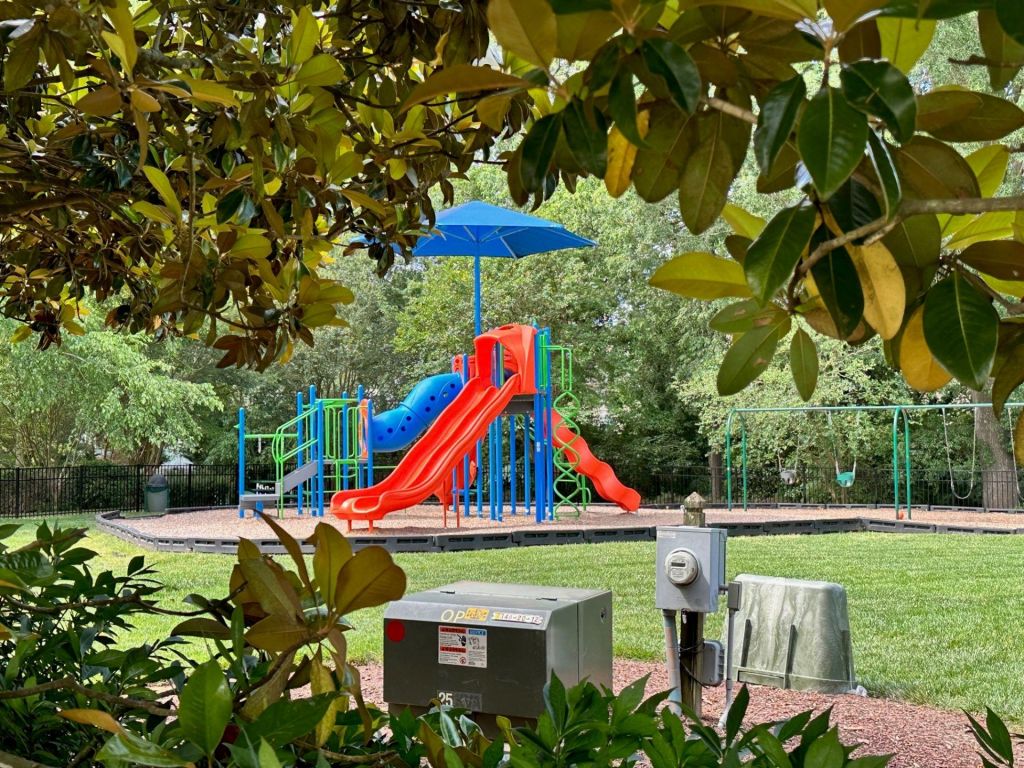
The most successful neighborhood parks are designed with the community, not just for the community. When residents, local organizations, and stakeholders help shape a park or playground, the result is a space that reflects local needs, encourages regular use, builds community pride, and inspires long-term stewardship.
Neighborhood parks are much more than green spaces. They are where children make friends, neighbors gather after work, grandparents watch grandchildren play, and communities celebrate together. A thoughtfully planned neighborhood park can become the heart of a community, providing opportunities for recreation, relaxation, and meaningful social connection.
The key to creating a park that truly serves its community starts long before construction begins. It starts by involving the people who will use it every day.
At Cunningham Recreation, we've seen firsthand that parks designed with community input often become the most beloved destinations in a neighborhood.
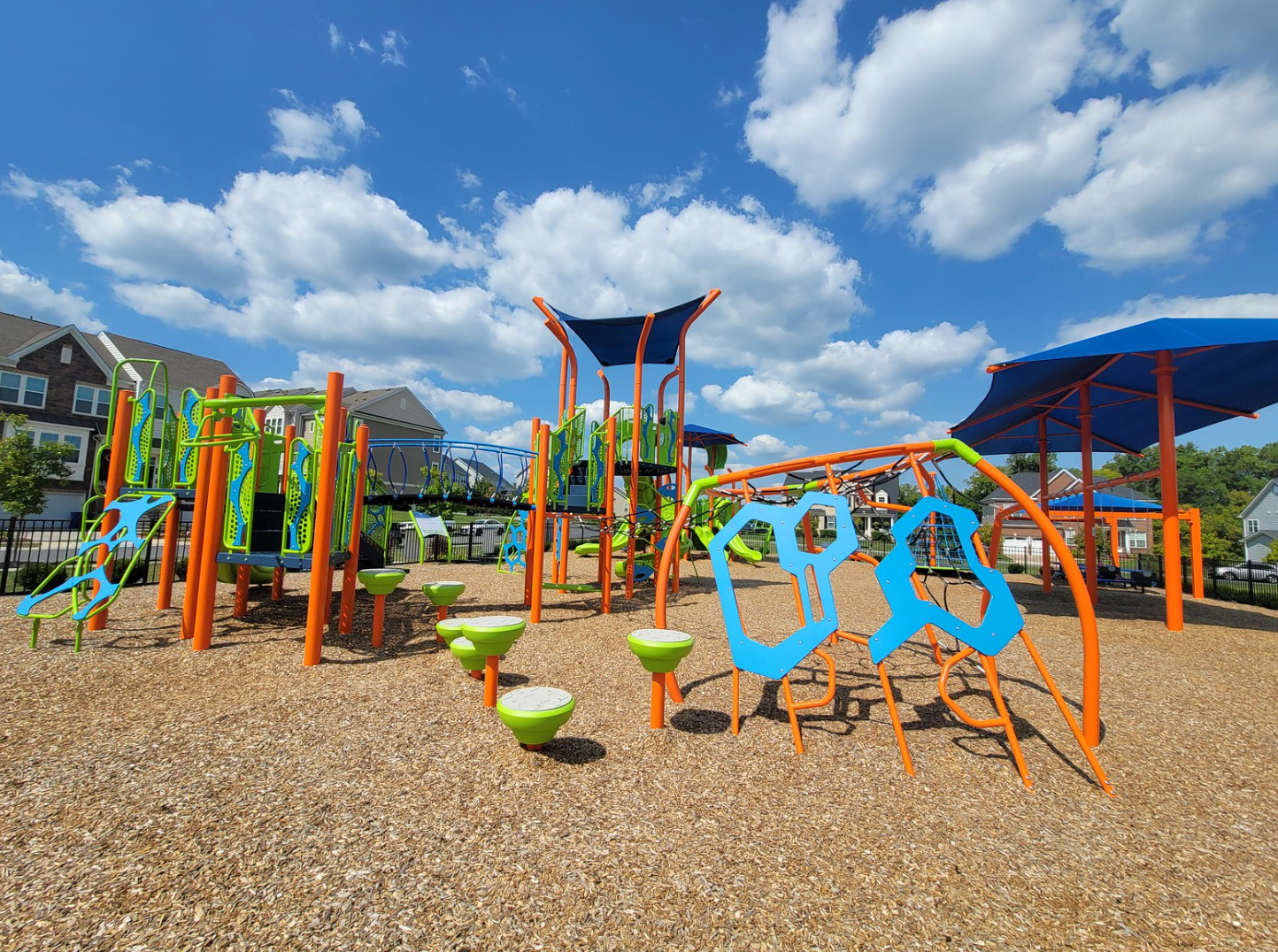
Why Neighborhood Parks Matter
Unlike large regional parks that attract visitors from across a city, neighborhood parks serve the people who live just minutes away. These spaces become part of everyday life.
Residents visit neighborhood parks to:
- Meet friends and neighbors
- Exercise and stay active
- Allow children to play close to home
- Attend community events
- Relax outdoors
- Build stronger family connections
When designed intentionally, neighborhood parks foster a stronger sense of belonging and help create healthier, more connected communities.
Community Involvement Creates Better Parks
One of the biggest mistakes in park planning is assuming planners know exactly what residents want. While experienced park professionals understand design best practices, community members understand how they'll actually use the space.
Involving residents early helps answer important questions like:
- What age groups will use the park?
- Are families looking for more inclusive play opportunities?
- Is there a need for gathering spaces or picnic areas?
- Would walking paths, fitness equipment, or shade structures be used regularly?
- What features are currently missing from the neighborhood?
Listening to these voices helps create a park that reflects the unique character and needs of the community.
Projects Move Forward Faster with Community Support
Community engagement doesn't just improve the final design. It often helps projects gain momentum.
When residents understand the vision and feel included in the planning process, they're more likely to:
- Support funding initiatives
- Attend public meetings
- Advocate for the project
- Volunteer during fundraising efforts
- Encourage local leaders to prioritize construction
A project with strong community backing typically encounters fewer obstacles because stakeholders have already had opportunities to ask questions, share ideas, and build consensus.
Rather than feeling like a project is being done to the community, residents feel like it's being built with them.
People Protect What They Help Create
Perhaps one of the greatest benefits of community involvement is the lasting sense of ownership it creates.
When neighbors contribute ideas, vote on playground features, attend planning meetings, or participate in fundraising campaigns, they become emotionally invested in the project.
That investment often leads to:
- Greater respect for the park
- Reduced vandalism
- More volunteer cleanup efforts
- Increased reporting of maintenance concerns
- Stronger advocacy for future improvements
People naturally want to care for spaces they helped create. A neighborhood park becomes more than public property, it becomes their park.
Amenities That Encourage Social Connection
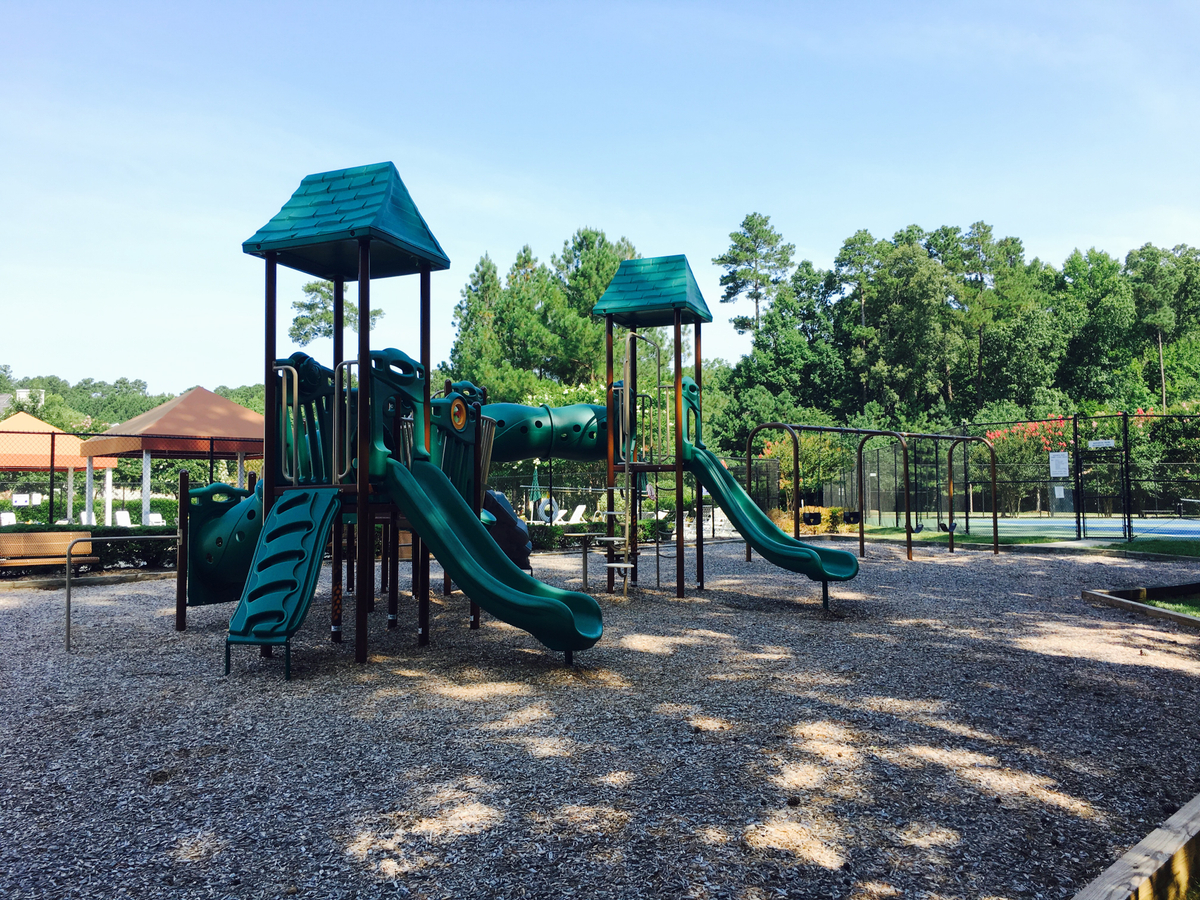
A playground is often the centerpiece of a neighborhood park, but surrounding amenities help transform it into a true community gathering place.
Consider including features such as:
-
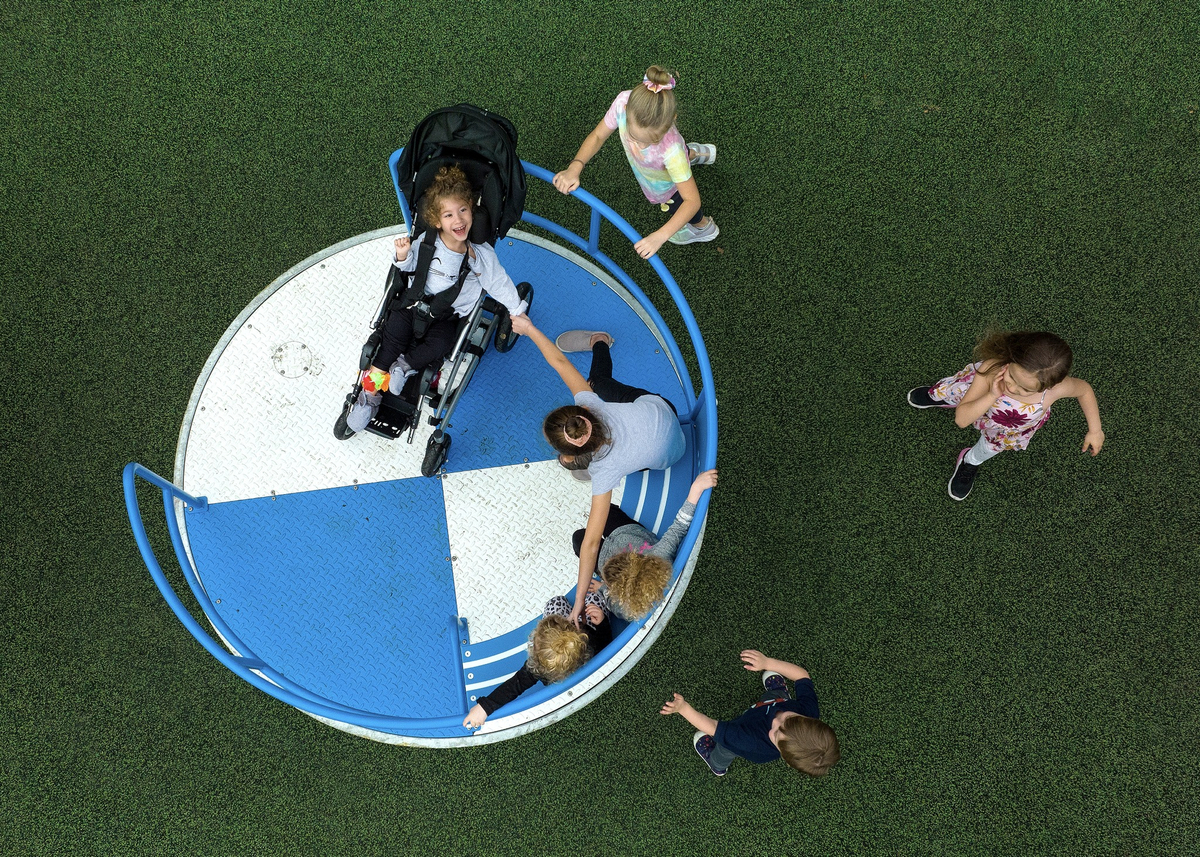
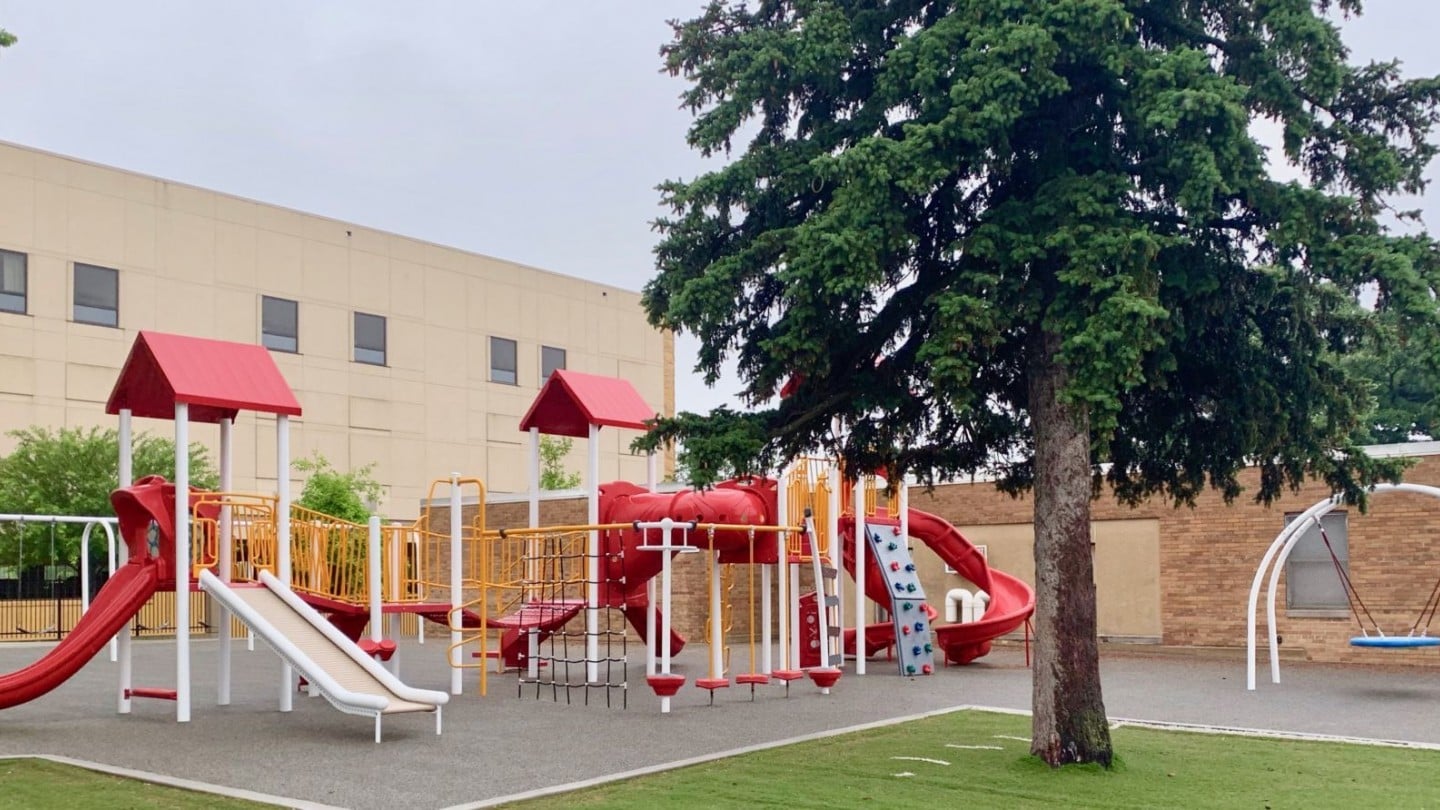
Inclusive Playground Equipment: Children of all abilities should have opportunities to play together. Inclusive playgrounds encourage friendships while making every family feel welcome.
-
Comfortable Seating: Benches, seat walls, and picnic tables give parents, grandparents, and neighbors places to gather while children play.
-
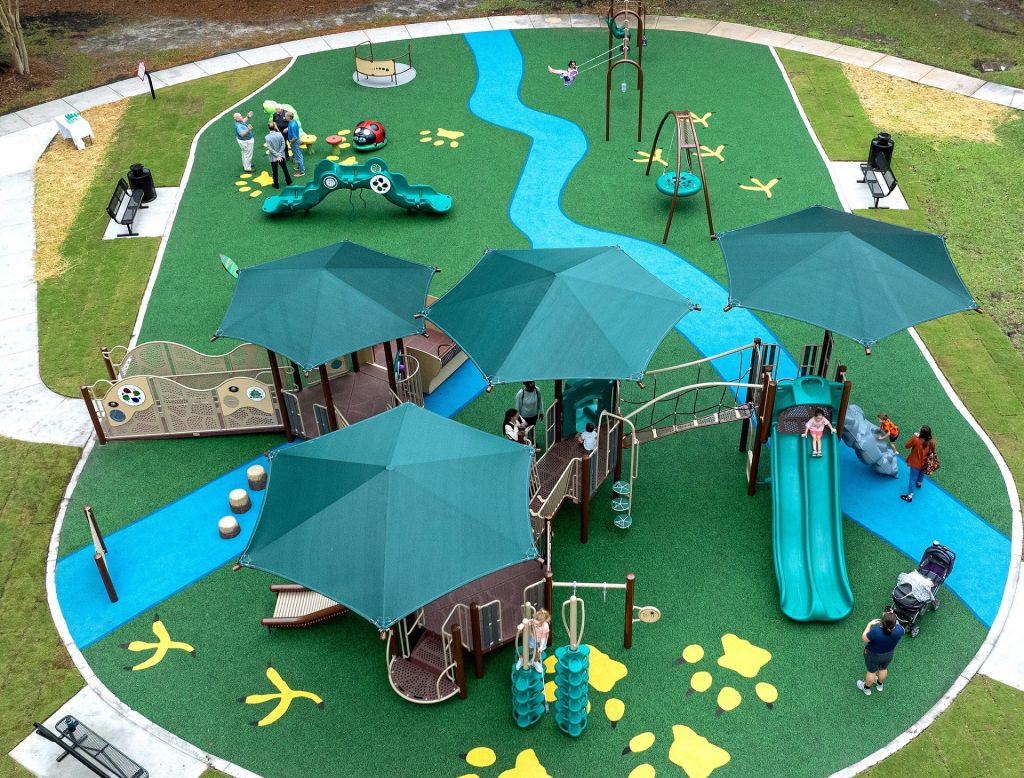
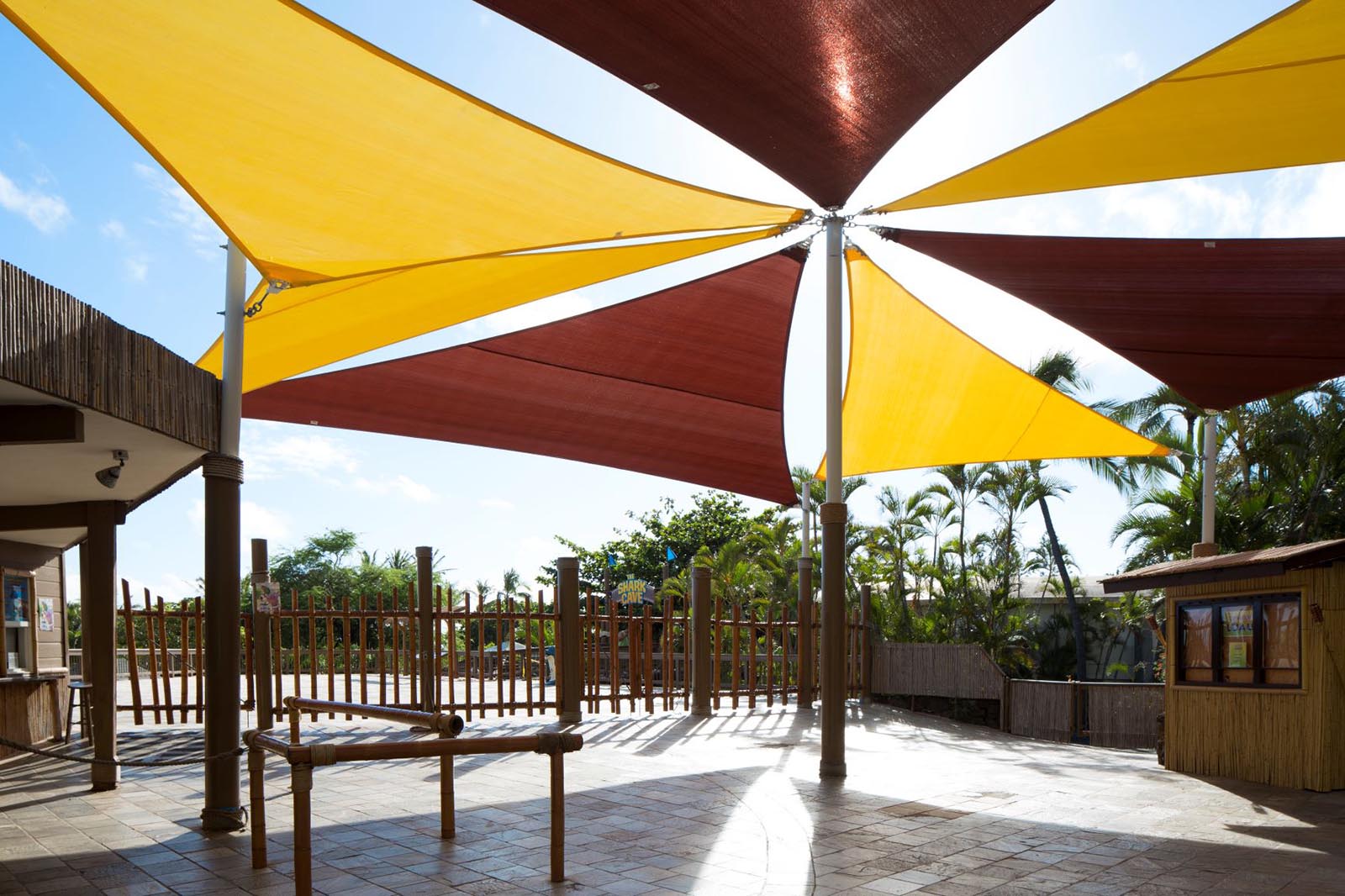
Shade Structures: Providing shade helps visitors stay comfortable during warmer months, extending the amount of time families spend at the park.
-
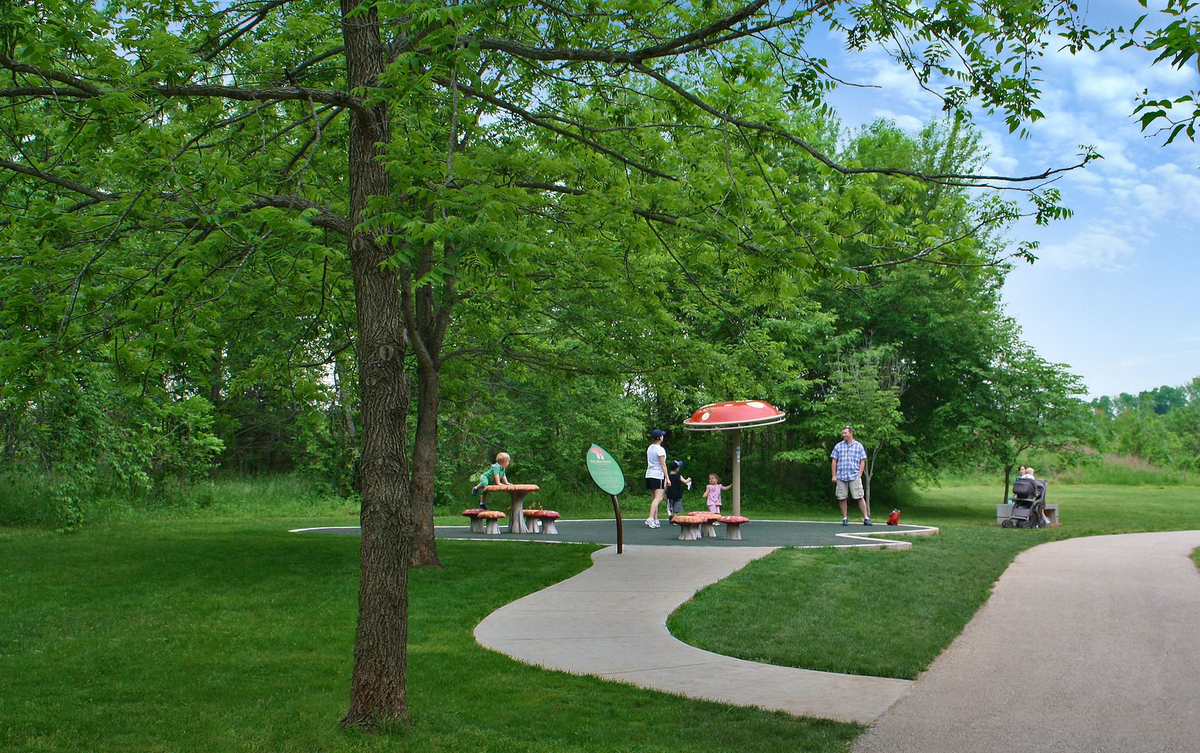
Walking Paths: Loop trails encourage daily exercise while creating opportunities for neighbors to meet and socialize.
-
Open Lawn Areas: Flexible green spaces can host community events, birthday parties, games, or simply provide room to relax.
-
Fitness Equipment: Outdoor fitness stations invite teens, adults, and older adults to stay active while remaining close to children's play areas.
-
Gathering Spaces: Pavilions, plazas, and picnic shelters provide ideal locations for neighborhood events, celebrations, and community meetings.
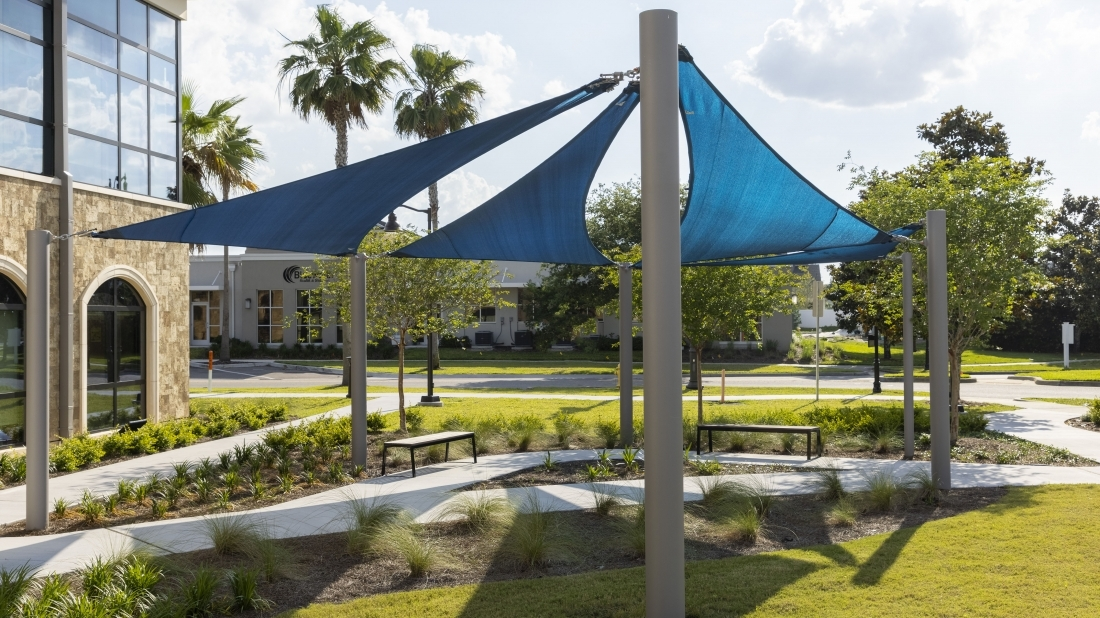
Together, these amenities encourage visitors of all ages to stay longer, interact more often, and build lasting relationships.
Simple Ways to Gather Community Input
Community engagement doesn't have to be complicated. Many successful park projects combine several outreach methods, including:
- Online community surveys
- Public planning meetings
- Design workshops
- School partnerships
- Youth drawing or design contests
- Pop-up events at existing parks
- Social media polls and feedback opportunities
Offering multiple ways to participate helps ensure diverse voices are represented throughout the planning process.
Partner with Cunningham Recreation
At Cunningham Recreation, we believe the best parks begin with community collaboration. From public engagement and conceptual planning to playground design and installation, our team works alongside communities to create parks that reflect local needs and inspire meaningful connections.
Whether you're renovating an existing neighborhood park or building a brand-new playground, we're here to help create a space where families gather, friendships grow, and communities thrive.
Contact Cunningham Recreation today to begin planning a neighborhood park that brings people together.
Key Takeaways
- Community involvement leads to parks that better reflect local needs and priorities.
- Public support can help projects gain funding, build momentum, and move through the planning process more efficiently.
- Residents who help shape a park often develop a stronger sense of ownership, leading to greater care and long-term stewardship.
- Amenities like inclusive playgrounds, shade, seating, walking paths, fitness equipment, and gathering spaces encourage social interaction for all ages.
- A well-designed neighborhood park becomes more than a recreation space—it becomes the heart of the community.