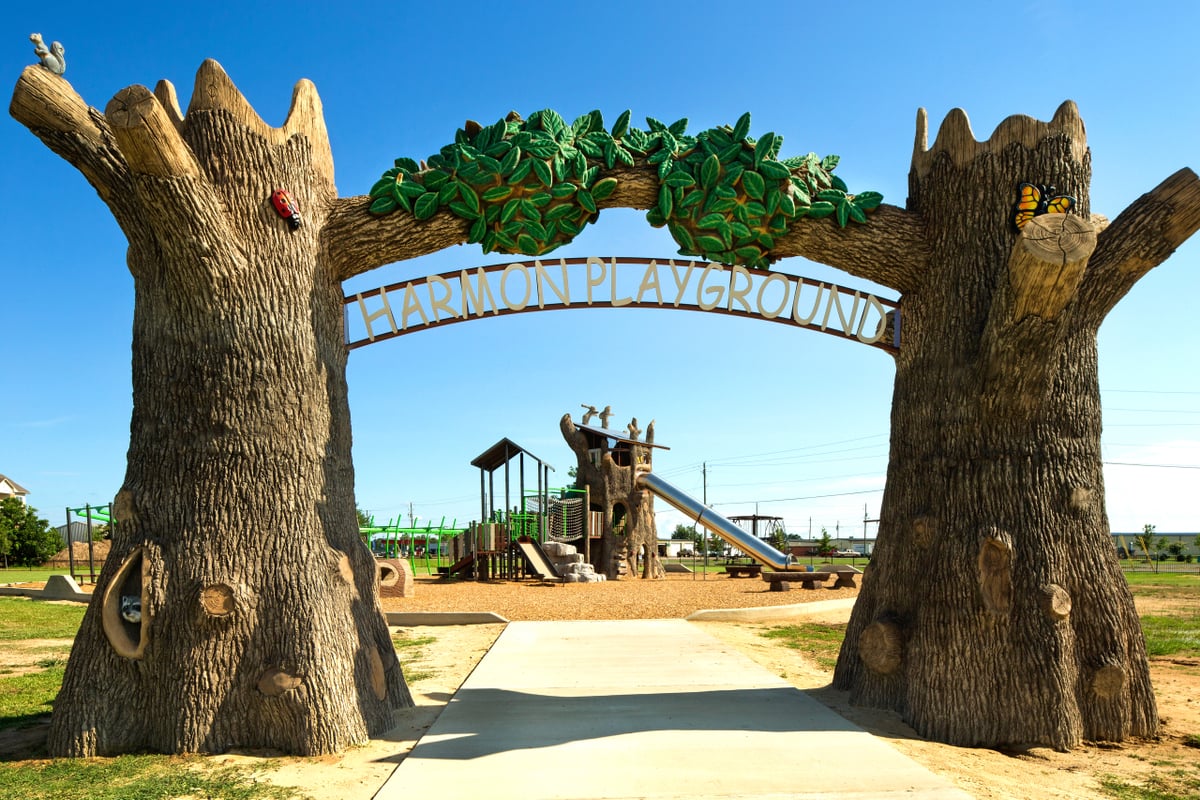
A well-designed school playground is more than a fun break from class. It's a vital part of student learning, social development, and physical health. Studies show that children who get daily physical activity performs better academically and behaves more positively in the classroom.
At Cunningham Recreation, we help schools plan safe, engaging playgrounds that fit every age group, budget, and space. Whether you’re a school administrator or a member of your PTO/PTA, this guide will walk you through everything you need to know about how to plan a school playground, from choosing equipment to installation and safety.

Step 1: Determine Your School Playground Budget
Before selecting playground equipment, it’s important to establish your total project budget. Your playground budget should include:
- Equipment costs
- Freight and delivery
- Safety surfacing
- Installation
- Site furnishings and shade
- Planning ahead for all these components ensures a smoother process and fewer surprises later on.
Step 2: Choose the Right Playground Structures
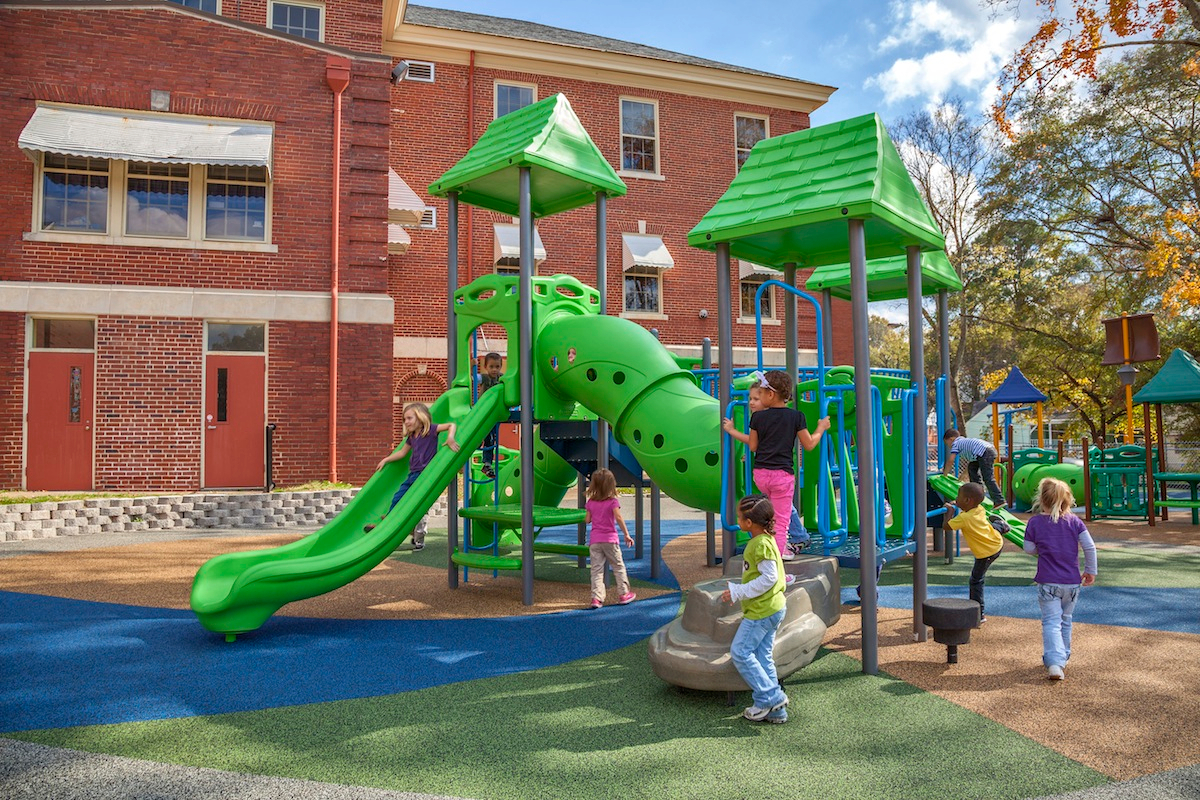
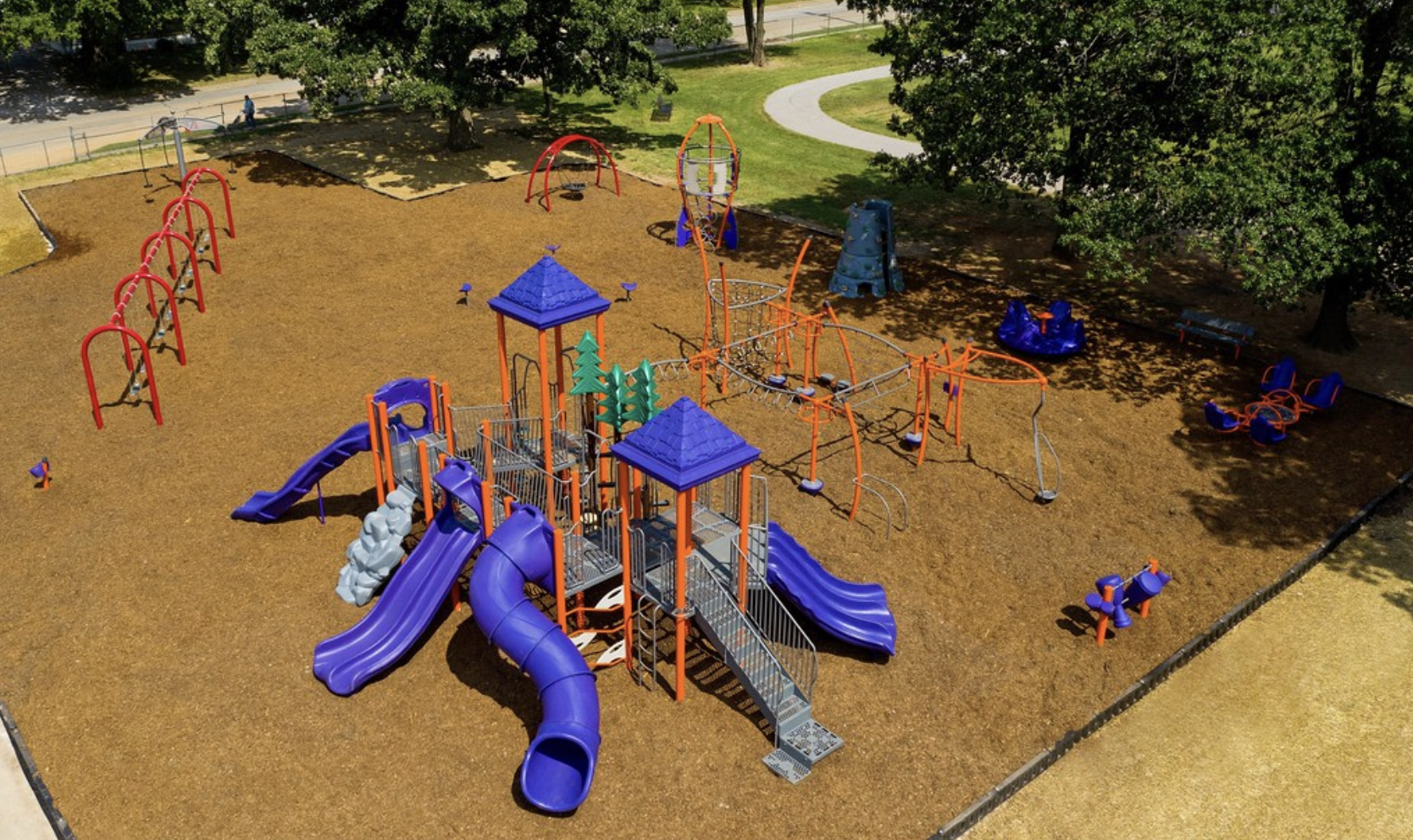
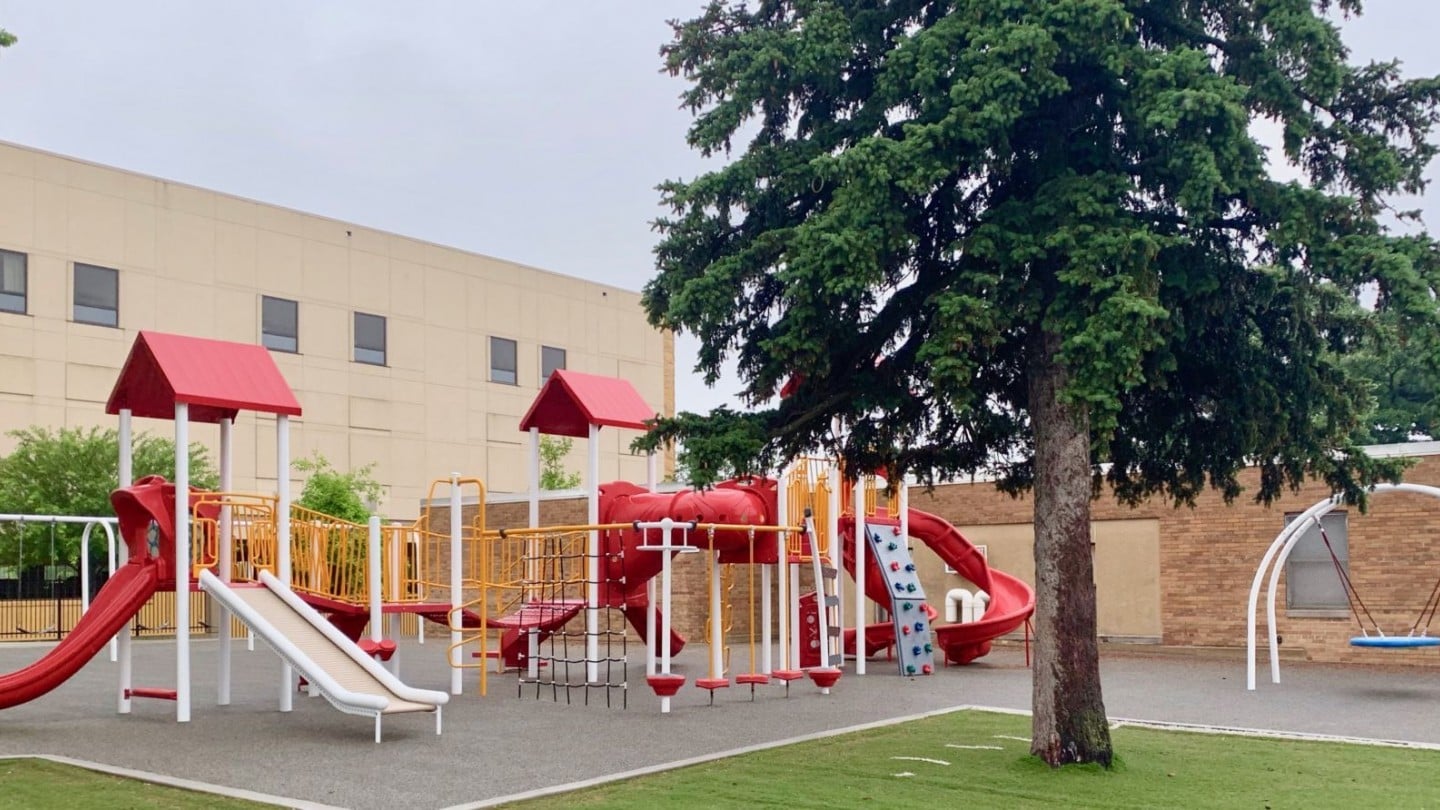
Keeping students active on the playground is key to their overall development. School playground equipment for elementary-aged children should include a variety of challenges such as slides, climbers, bridges, and ropes-course elements that build strength, coordination, and confidence.
When designing a playground, think about progressive challenges. Activities that grow with your students and keep them engaged year after year. At Cunningham Recreation, we offer affordable, customizable playground structures to fit every school’s space and budget.
 Step 3: Add Freestanding Play Components
Freestanding play elements bring even more fun and variety to your school playground. These components encourage movement, creativity, and social play.
Consider including:
- Spinners, slides, and climbers
- Monkey bars and upper-body challenges
- Boulder and rock features for climbing or social gathering
- Outdoor fitness areas for older students
- Team sports spaces like basketball courts or open play fields
A balance of active and social play spaces helps all students find activities they enjoy.
Step 4: Include School Playground Site Furnishings
Don’t overlook the finishing touches! Site furnishings make your playground and outdoor spaces more welcoming and functional. From buddy benches that encourage friendship to tables, seating areas, and bike racks, these elements support social interaction and outdoor learning.
Cunningham Recreation offers a wide variety of durable, attractive site furnishings designed specifically for school campuses.
Step 5: Plan for Playground Shade
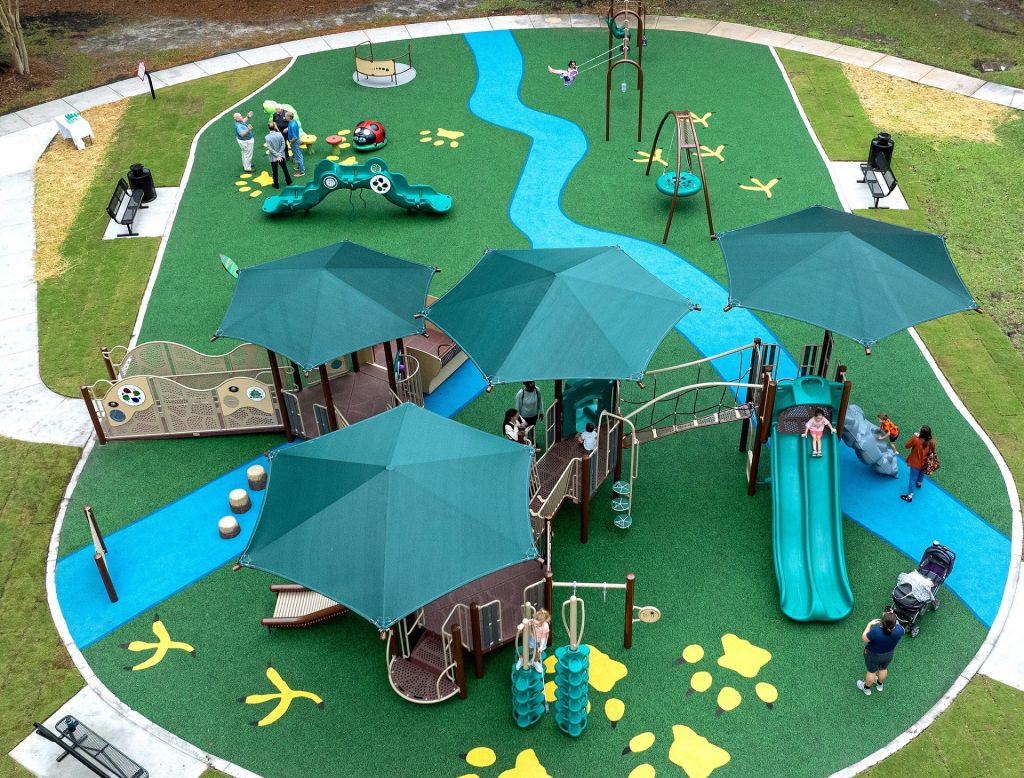
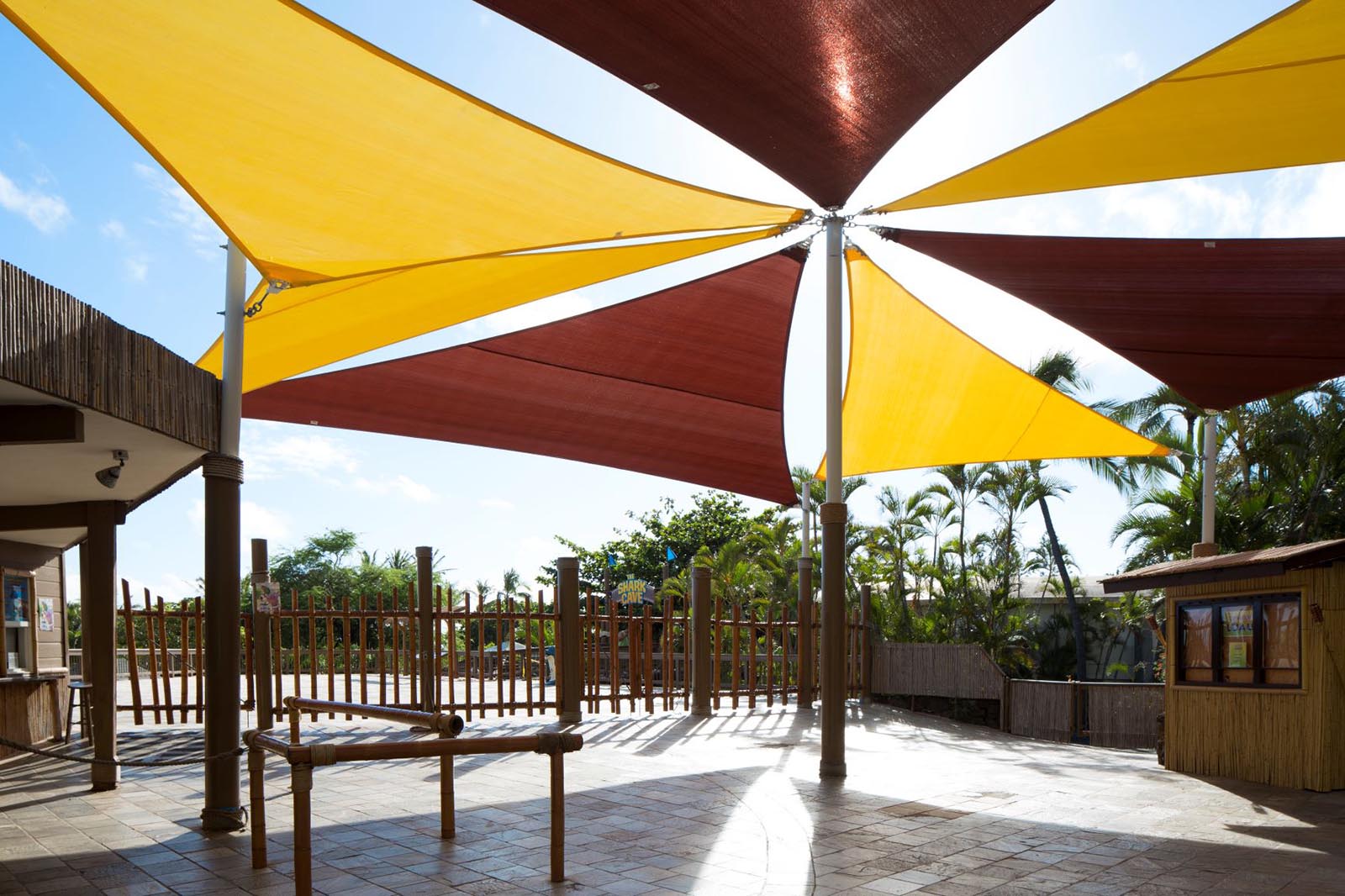
Playground shade structures are essential for safety and comfort. Shade protects children from harmful UV rays, keeps play areas cooler in warm weather, and helps extend the life of your playground equipment.
You can choose from freestanding shade structures or integrated designs that blend seamlessly with your playground layout.
Step 6: Select the Right Safety Surfacing
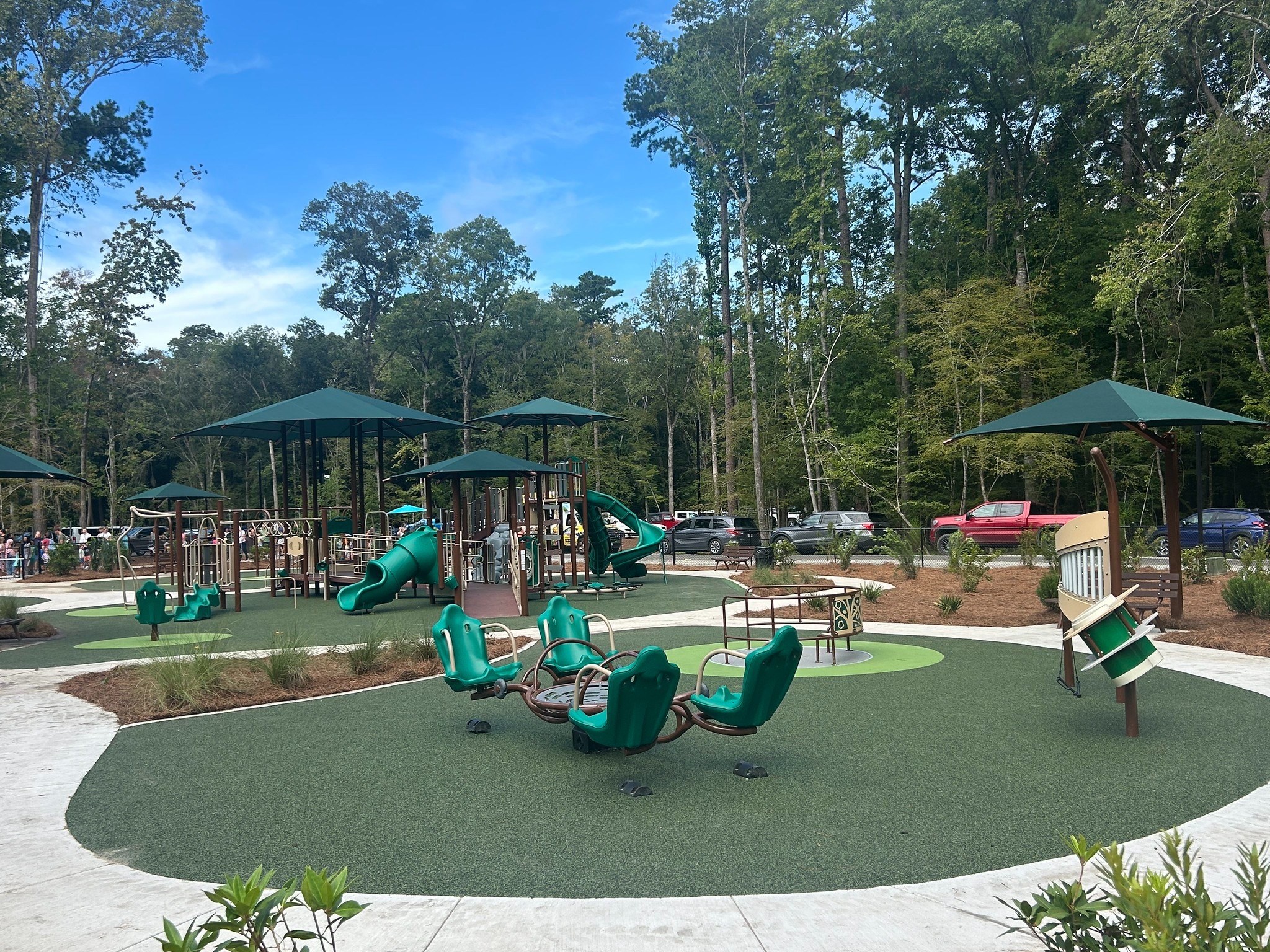
Every school playground must include compliant, impact-absorbing surfacing. Choosing the right playground safety surfacing is one of the most important decisions you’ll make for both safety and long-term maintenance.
Here are some of the most common surfacing options to consider:
Loose Fill Surfacing
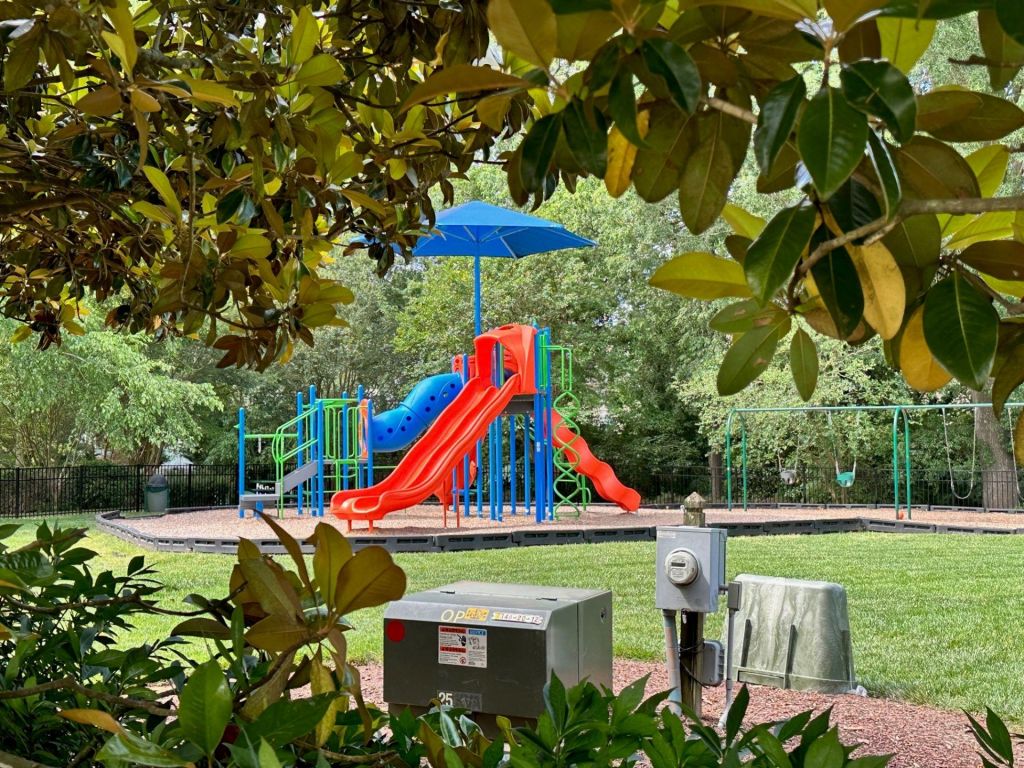
- Engineered Wood Fiber (EWF): A natural, affordable option that meets ADA accessibility standards.
- Shredded Rubber: Made from recycled materials; soft underfoot and low maintenance.
Loose fill surfacing options like EWF and shredded rubber are cost-effective and provide excellent fall protection, but they can be easily displaced by weather or play activity. These materials require more frequent maintenance, such as raking and topping off periodically, to maintain proper depth and safety compliance. It’s also important to use a border system to help contain the material within the play area.
Unitary Surfacing
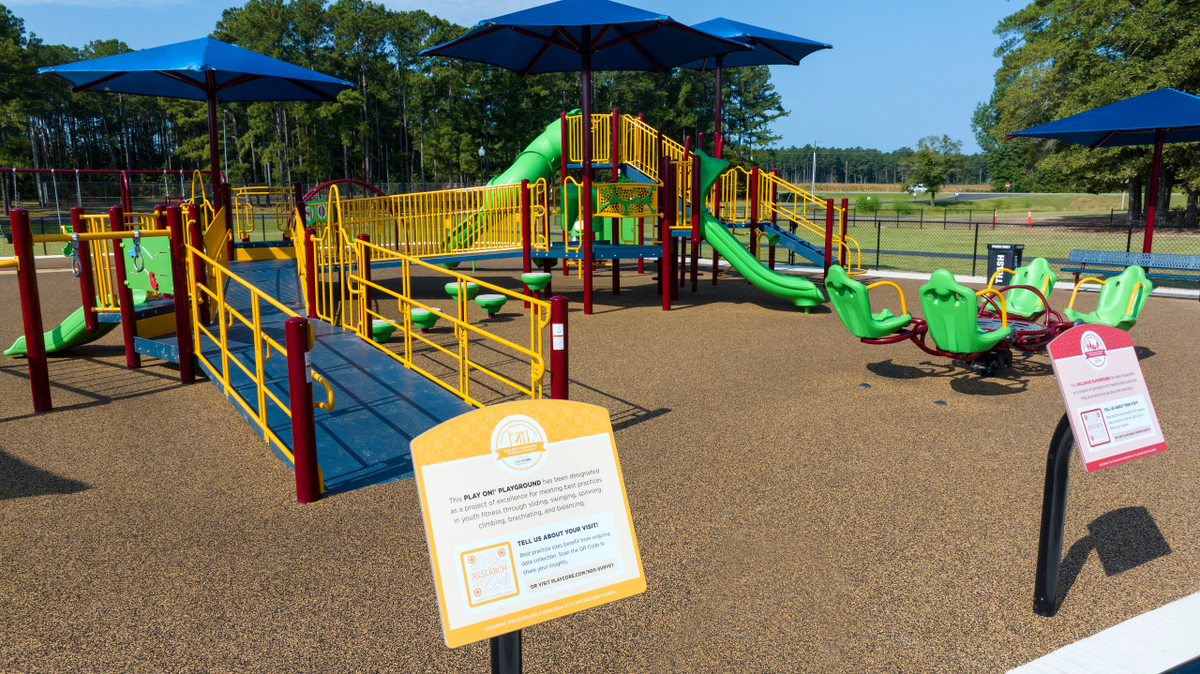
- Poured-in-Place (PIP) Rubber: A seamless, durable surface available in many colors and patterns.
- Synthetic Turf: Offers a realistic grass look with added durability and drainage.
- Interlocking Rubber Tiles: Easy to maintain and ideal for smaller play spaces.
- Bonded Rubber: Similar to poured-in-place but with a textured, natural appearance.
Unitary surfacing options, such as poured rubber, turf, rubber tiles, and bonded rubber—have a higher upfront cost but generally require less maintenance over time. These continuous surfaces are durable, accessible, and long-lasting, making them an excellent choice for schools that want a low-maintenance, visually appealing playground surface.
Each surfacing type has unique pros and cons depending on your budget, climate, and maintenance capacity. The team at Cunningham Recreation can help you choose the right safety surfacing to meet your school’s specific needs and long-term goals.

Step 7: Ensure Professional Playground Installation
Proper installation is critical for playground safety and compliance. Always use Factory Certified Installers who follow CPSI and ASTM standards to ensure correct use zones and equipment spacing.
After installation, you can schedule an independent safety audit to confirm compliance. While an audit only occurs once in a playground’s lifetime, regular safety inspections are highly recommended to maintain your equipment over time.
Partner with Cunningham Recreation
At Cunningham Recreation, we specialize in helping schools design, fund, and install innovative play environments that promote active learning. Whether you’re starting from scratch or updating an existing playground, our team can guide you every step of the way, from design and budgeting to surfacing and installation.
Contact Cunningham Recreation today to start planning your school playground today!