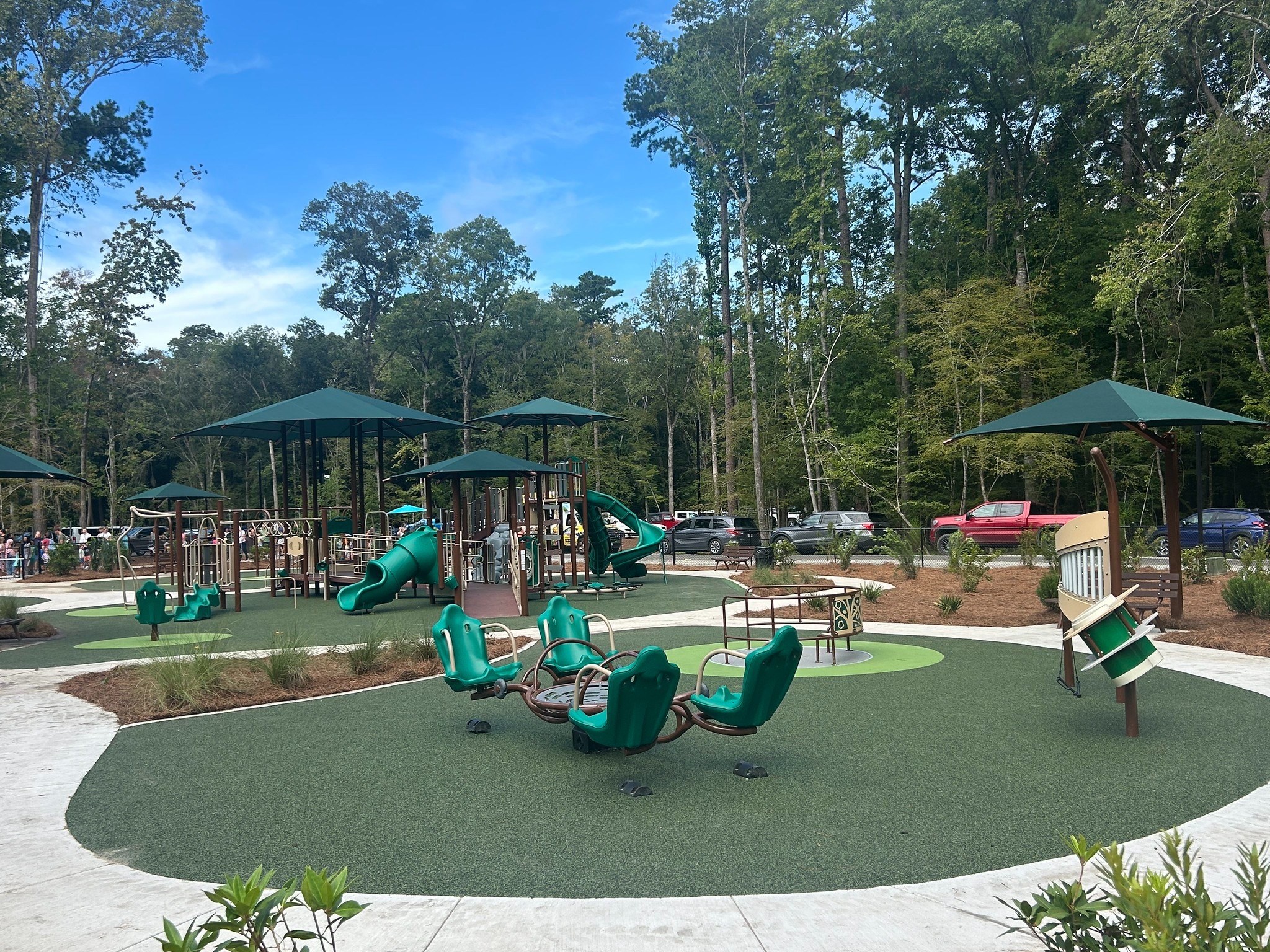
A great park is more than a collection of playground equipment, benches, and open space. The best parks are thoughtfully designed environments that bring people together, encourage movement and exploration, and serve the needs of an entire community. From the placement of amenities to opportunities for inclusive and intergenerational play, every design decision can make a difference in how a park is used and enjoyed.
For communities planning a new park or revitalizing an existing one, thoughtful park design can transform an ordinary space into a destination that welcomes everyone.
Start With the Whole Community in Mind
Successful park design begins by understanding who will use the space. Children, parents, grandparents, teens, athletes, and community members of all abilities may have different needs and interests, so a well-designed park should offer something for everyone.
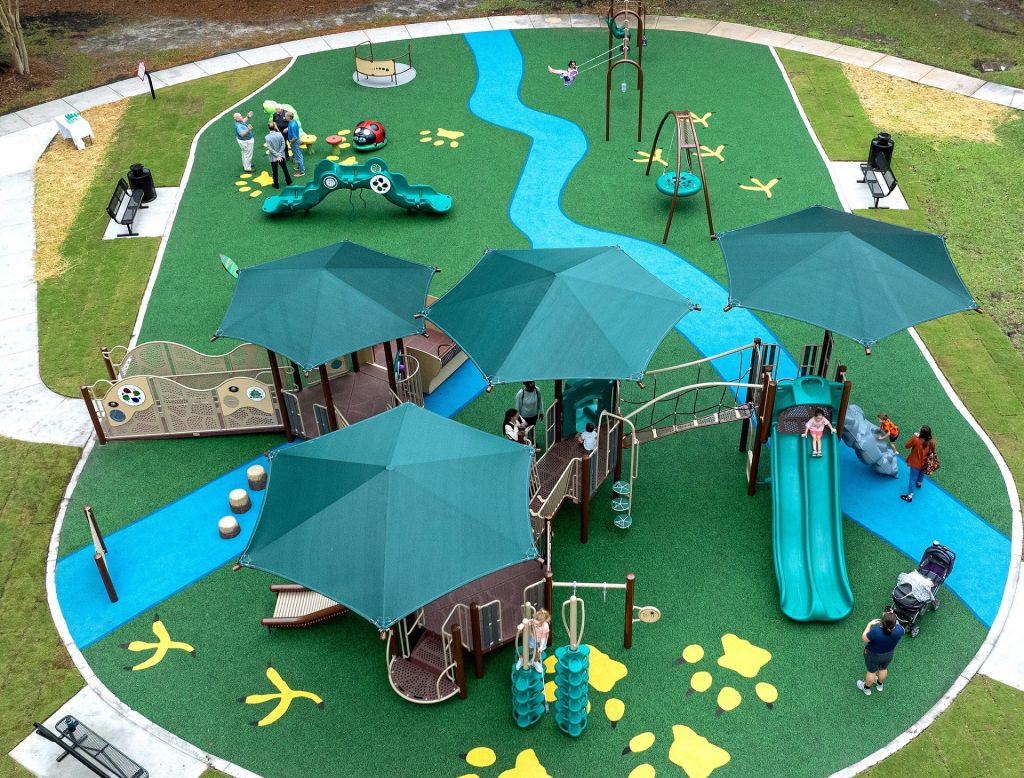
Rather than focusing on a single feature, consider the park as a connected experience. Playgrounds, walking paths, gathering areas, fitness spaces, shade structures, seating, open lawns, and other amenities can work together to create a space that encourages people to stay longer and return often.
Community input can also play an important role. Listening to residents can help identify what a neighborhood is missing and what amenities will provide the greatest value for the people who live there.
Think Beyond the Playground
The playground may be a centerpiece of a community park, but it should not be the only destination. A successful park provides opportunities for different types of recreation and relaxation throughout the site.
Consider incorporating:
- Play areas for children of different ages and abilities
- Walking and connecting paths that encourage movement throughout the park
- Fitness and active recreation for teens and adults
- Open spaces for informal games, events, and community activities
- Seating and gathering areas where families and friends can connect
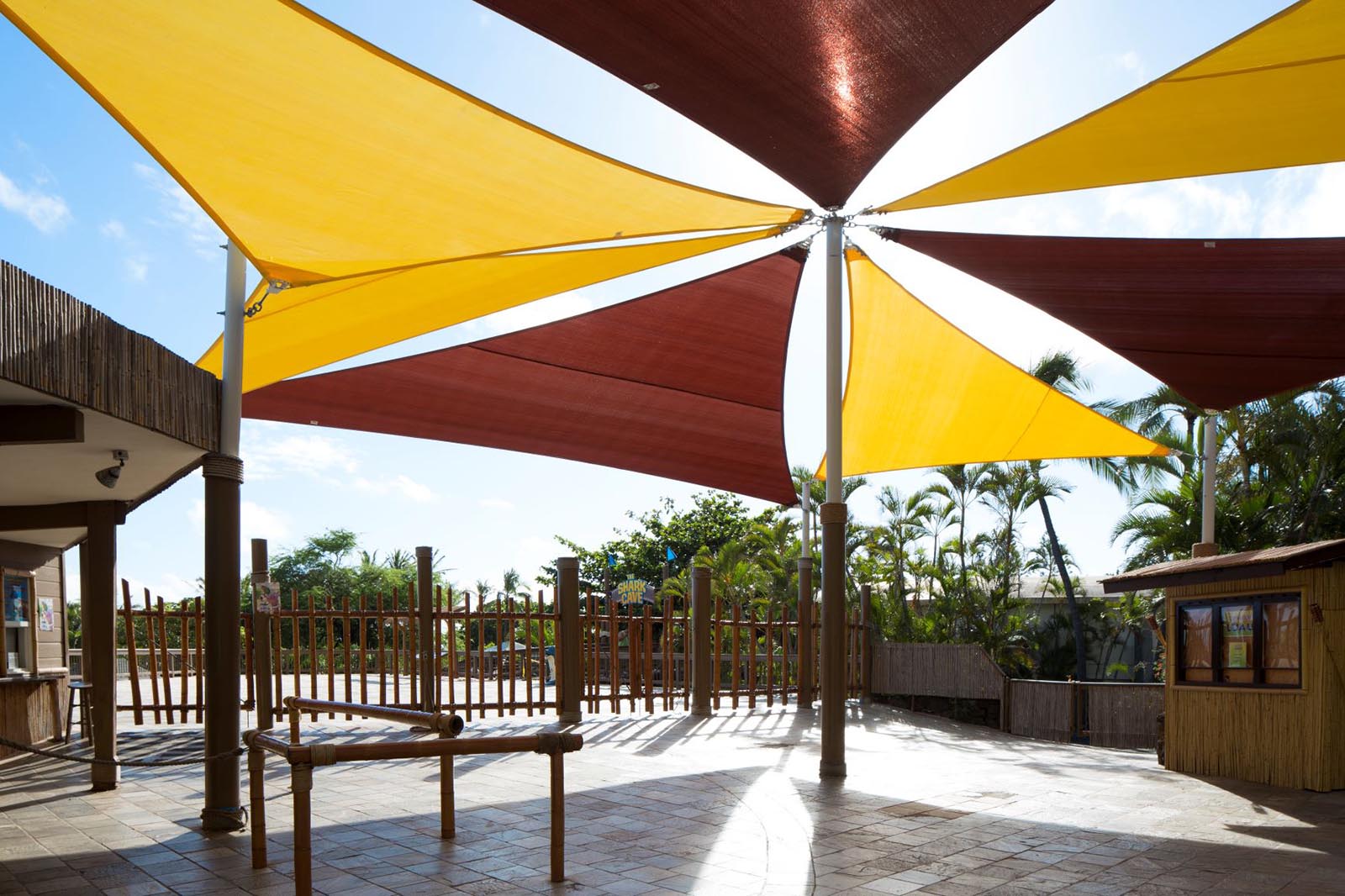
- Shade and shelters that provide comfortable places to rest
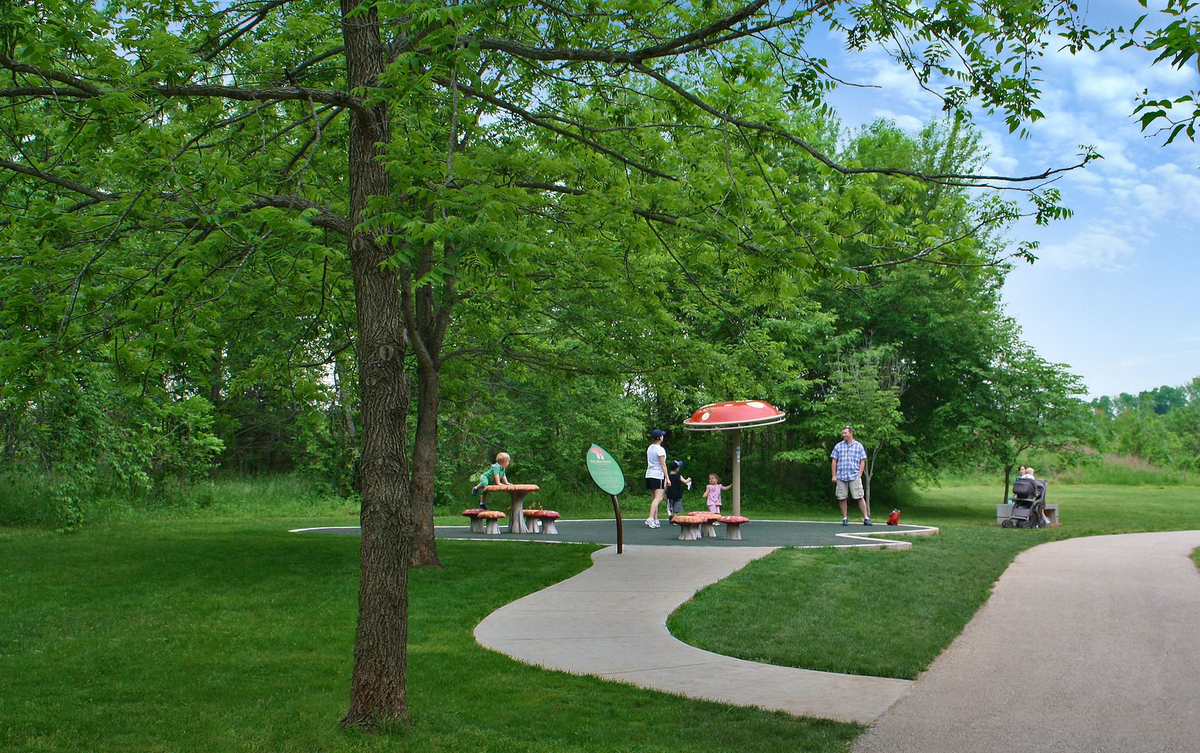
- Nature-based features that encourage exploration and discovery
- Site amenities such as tables, benches, bike parking, and waste receptacles
By distributing these features throughout the park, designers can create a space where people can choose how they want to participate, whether that means active play, exercise, socializing, relaxing, or simply enjoying the outdoors.
Make Accessibility Part of the Design
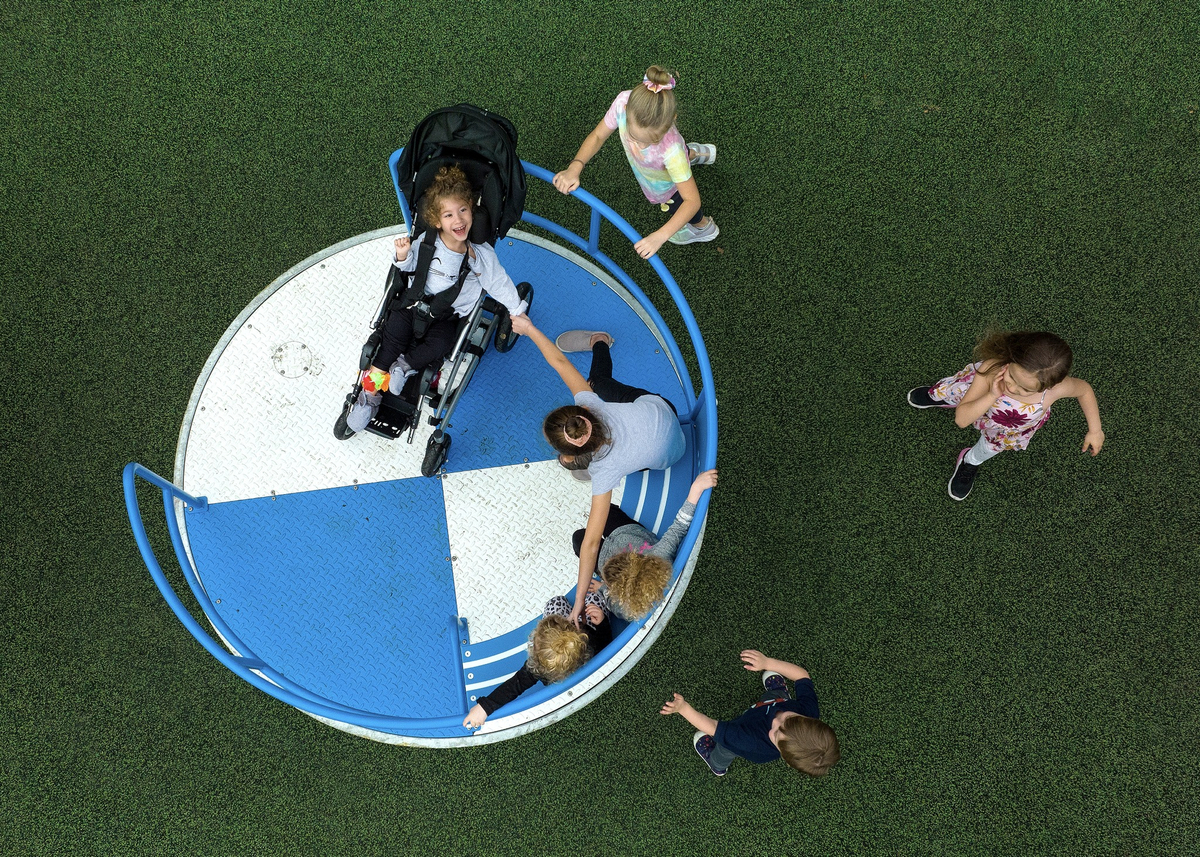
Accessibility should be considered from the beginning of the planning process, not added as an afterthought. An inclusive park should make it easier for people of different abilities to enter, navigate, participate, and connect with others.
Accessible routes should thoughtfully connect major areas of the park, including playgrounds, restrooms, parking, shelters, seating, and other amenities. Within play spaces, inclusive features can provide opportunities for children with different physical, sensory, and developmental needs to play alongside their peers.
But accessibility extends beyond the playground. Seating, pathways, shade, gathering areas, fitness opportunities, and other park amenities should all contribute to a welcoming experience for the entire community.
The goal is not simply to make a park accessible, it is to create a space where everyone feels invited to participate.
Create Opportunities for Intergenerational Play
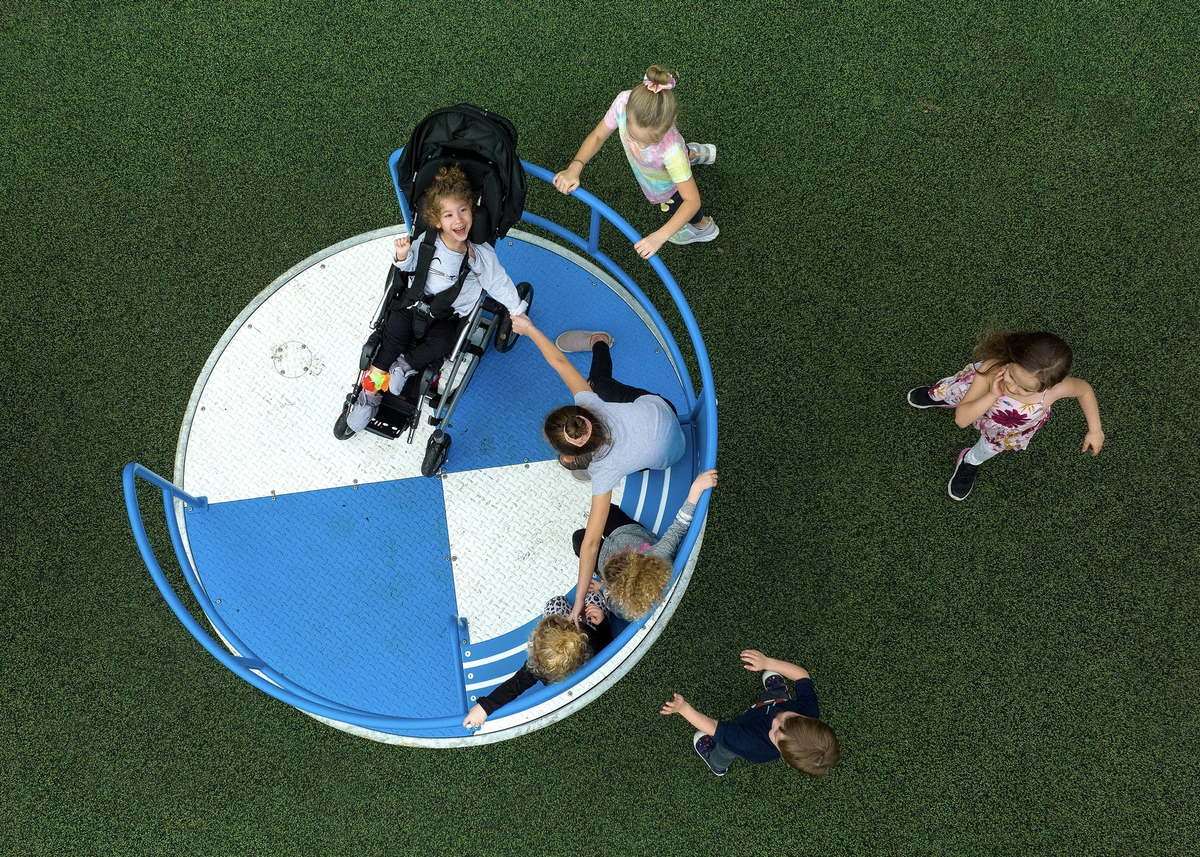
Parks can bring generations together in ways few other community spaces can. Designing for intergenerational use creates opportunities for children, parents, grandparents, and other community members to enjoy the park together.
A family might move between a playground, walking trail, outdoor fitness area, and shaded seating space during a single visit. When amenities are thoughtfully positioned near one another, family members can participate in different activities while remaining connected.
Intergenerational design also encourages social interaction. A park can become a place where children play, adults exercise, grandparents watch and participate, and neighbors gather, all within the same shared environment.
Consider Where Everything Goes
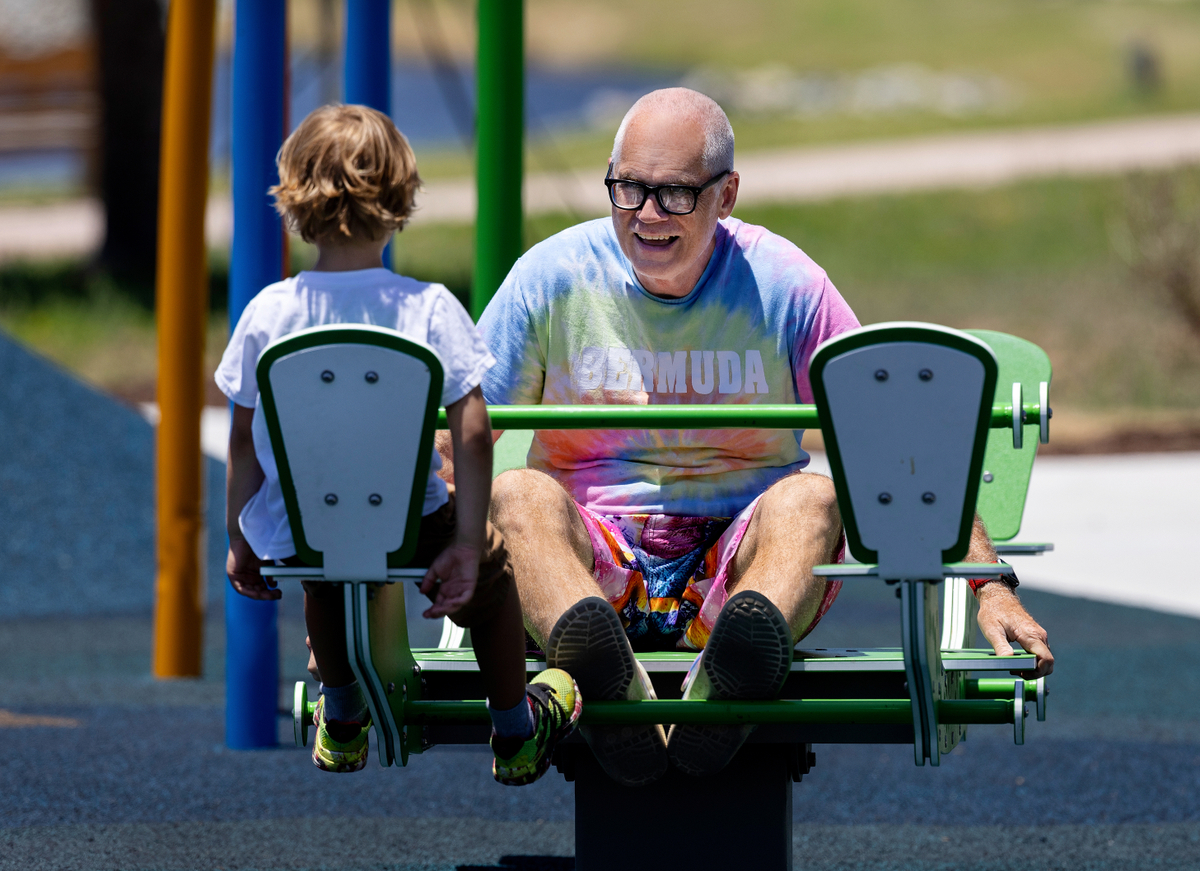
Good park design is not only about what amenities are included; it is also about where they are placed.
Strategic placement can improve visibility, circulation, safety, and usability. For example, locating seating and shaded areas near playgrounds gives caregivers comfortable places to supervise children. Connecting pathways between major destinations encourages visitors to move throughout the park instead of limiting activity to one area.
Designers should also consider relationships between active and quiet spaces. High-energy play and sports areas may benefit from separation from peaceful gathering or nature areas, while still maintaining clear connections between them.
Thoughtful placement can make the entire park feel intuitive and easy to navigate.
Design for Comfort and Connection
People are more likely to spend time in a park when they feel comfortable. Shade, seating, shelter, landscaping, and access to rest areas can make a significant difference in the overall experience.
Comfort also means creating spaces where people can connect. Picnic areas, communal tables, shelters, and gathering spaces can encourage families and neighbors to spend time together before, during, or after recreation.
These details may not be the most noticeable features of a park, but they can have a major impact on how often the space is used.
Build for Today—and Tomorrow
A successful park should be designed with longevity in mind. Communities change, families grow, and recreation preferences evolve. Flexible spaces can help parks remain useful for years to come.
Durable materials, adaptable layouts, and a variety of recreation opportunities can help a park serve changing community needs. Designers should also consider how the space can support future improvements or additions as funding and priorities evolve.
A timeless park does not have to follow a single trend. Instead, it provides a strong foundation of play, movement, connection, accessibility, and community gathering that remains valuable over time.
Design Parks That Bring People Together
The perfect park is not defined by how many amenities it contains. It is defined by how well those amenities work together to serve the people who use them.
By considering accessibility, intergenerational recreation, thoughtful placement, comfort, connectivity, and opportunities beyond traditional playground play, communities can create parks that welcome more people and encourage them to stay, explore, and return.
At Cunningham Recreation, we understand that creating an exceptional park starts with understanding the community behind it. From inclusive playgrounds and outdoor fitness to shelters, site furnishings, shade, and other recreation amenities, thoughtful design can help transform an open space into a place where the entire community can play, connect, and thrive.
Contact us today to start planning your next dog park prohect!
Frequently Asked Questions
What makes a park well designed?
A well-designed park combines a variety of recreation, gathering, and relaxation opportunities with thoughtful circulation, accessibility, comfort, safety, and connections between amenities.
How can parks support people of different ages?
Intergenerational parks can combine playgrounds, walking paths, fitness areas, open spaces, seating, shade, and gathering areas so children, adults, and older community members can enjoy the park in different ways while remaining connected.
Why is accessibility important in park design?
Accessibility helps ensure that people of different abilities can enter, navigate, and participate throughout the park. It should be considered across the entire site, not just within the playground.
How can Cunningham Recreation help with park design?
Cunningham Recreation can help communities create comprehensive recreation environments with solutions ranging from inclusive playground equipment to outdoor fitness, shade, shelters, site furnishings, and other park amenities.