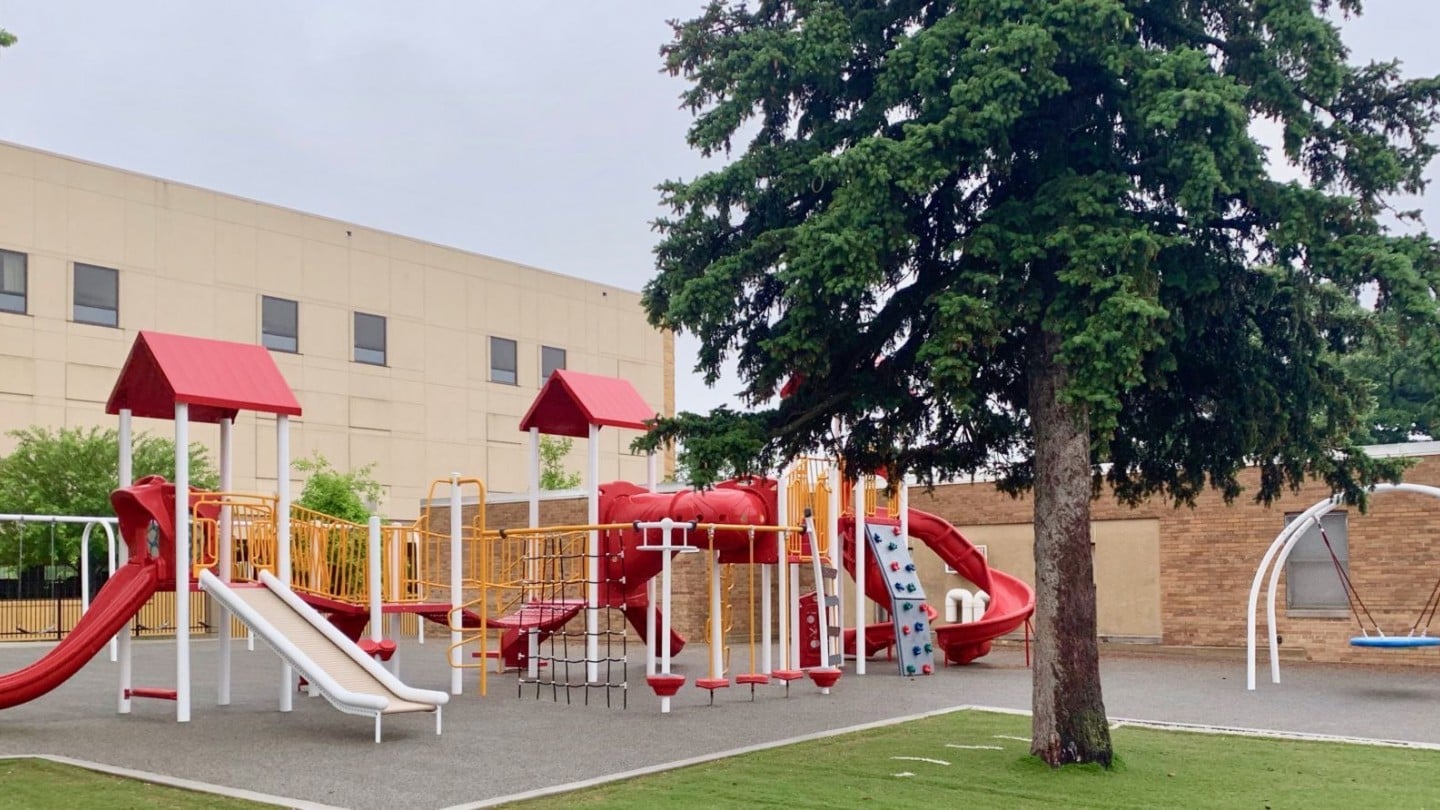
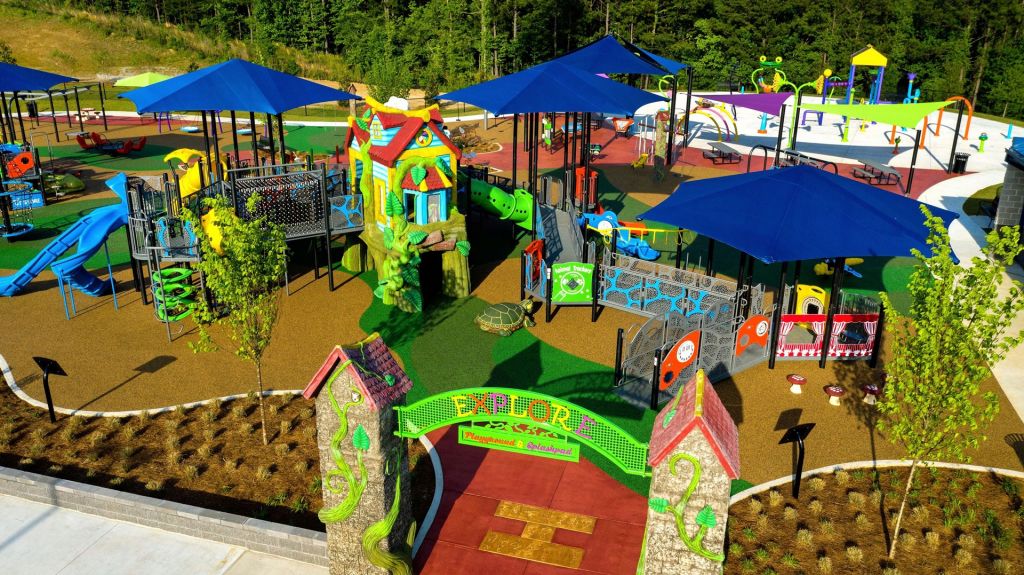
Planning a playground for 2027? Start by identifying your community’s needs, establishing a realistic budget, researching playground grants, and exploring equipment and amenities that encourage inclusive, active play. Beginning the planning process early gives parks and recreation departments, schools, and municipalities more time to evaluate designs, secure funding, and prepare for installation.
A well-designed playground can do more than provide a place to play. It can create opportunities for physical activity, social connection, imaginative exploration, and community engagement.
Why Should Communities Start Planning Playground Projects Early?
Starting your playground project early helps your team make informed decisions about design, funding, equipment, and installation timelines. Playground projects often involve multiple steps, including site evaluations, budget approvals, equipment selection, funding applications, and construction planning.
Early preparation can help communities:
- Establish project goals and prioritize essential features.
- Compare playground equipment and design options.
- Research grants and other funding opportunities.
- Plan for surfacing, shade, seating, and site preparation.
- Coordinate approvals and establish a realistic project timeline.
Whether you're building a new playground or renovating an existing park, planning ahead can help you create a space that meets your community's needs and budget.
What Playground Ideas Should Communities Consider for 2027?
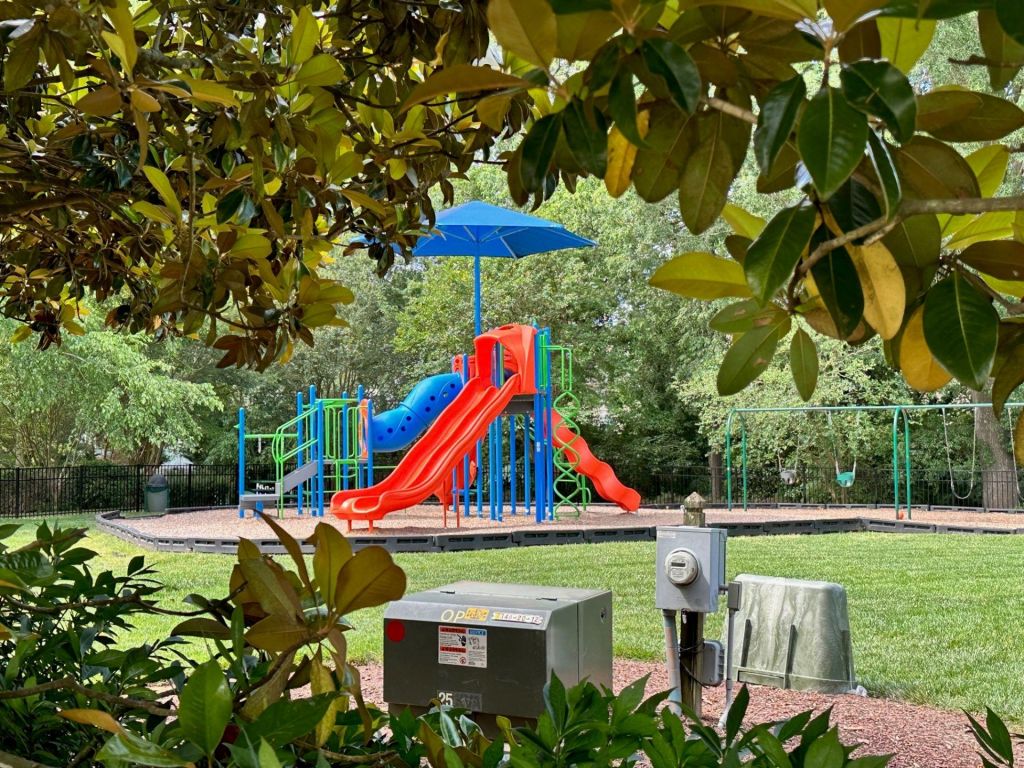
When planning a new playground, consider features that support different ages, abilities, interests, and ways of playing. Combining playground equipment with complementary park amenities can create a more welcoming destination for children, caregivers, and visitors.
1. Inclusive Playground Equipment
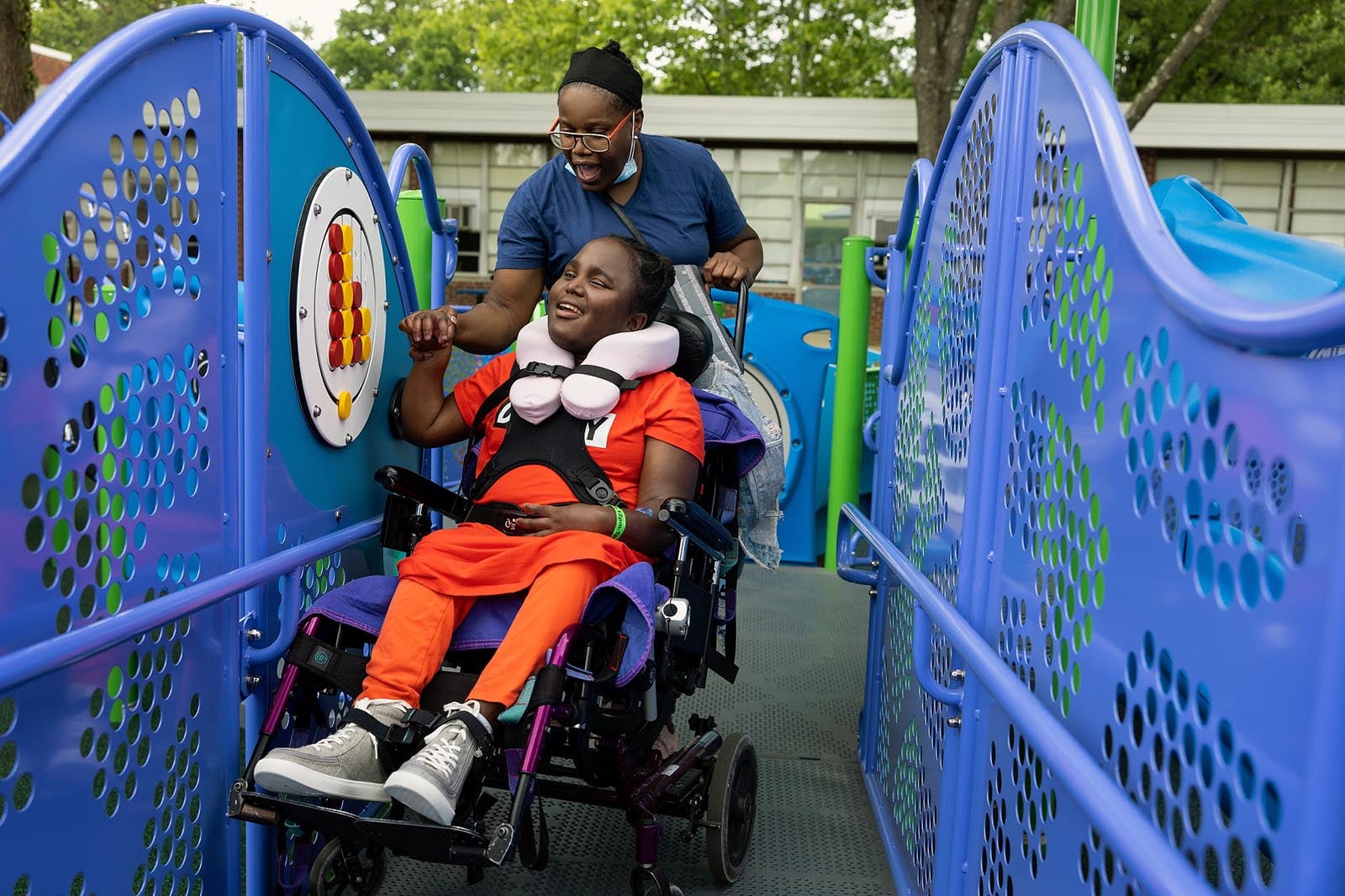
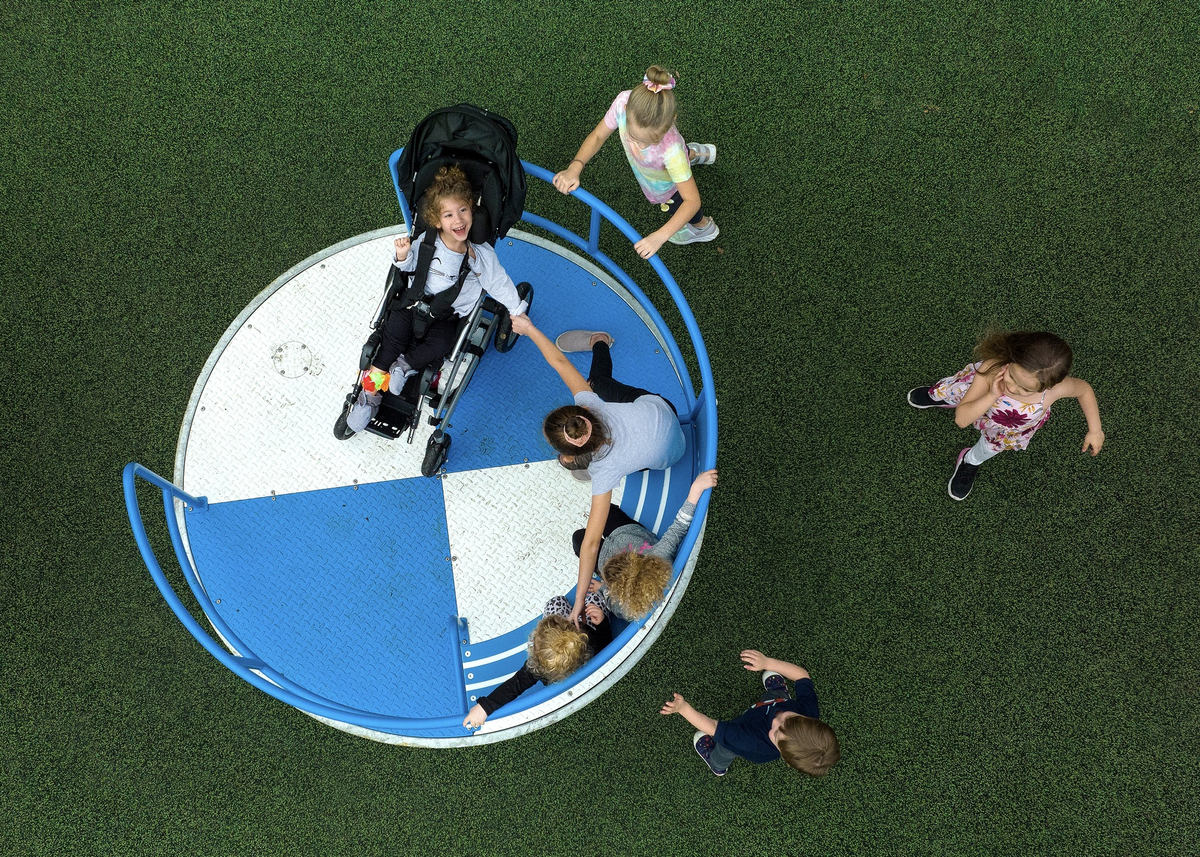
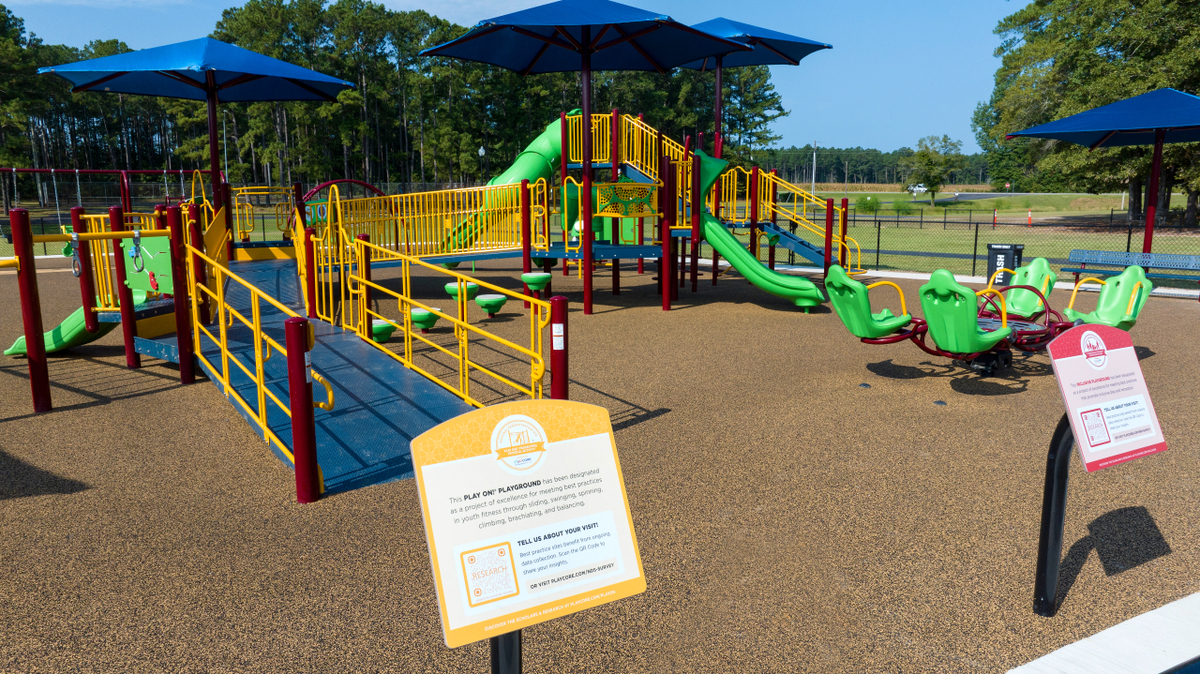
Inclusive playgrounds create opportunities for children of different abilities to play together. Consider accessible routes, ground-level play activities, sensory experiences, and equipment that encourages social interaction.
Thoughtful inclusive playground design helps more children participate in meaningful play experiences. Explore inclusive playground solutions to learn more about creating welcoming play environments.
2. Nature-Inspired Playground Design
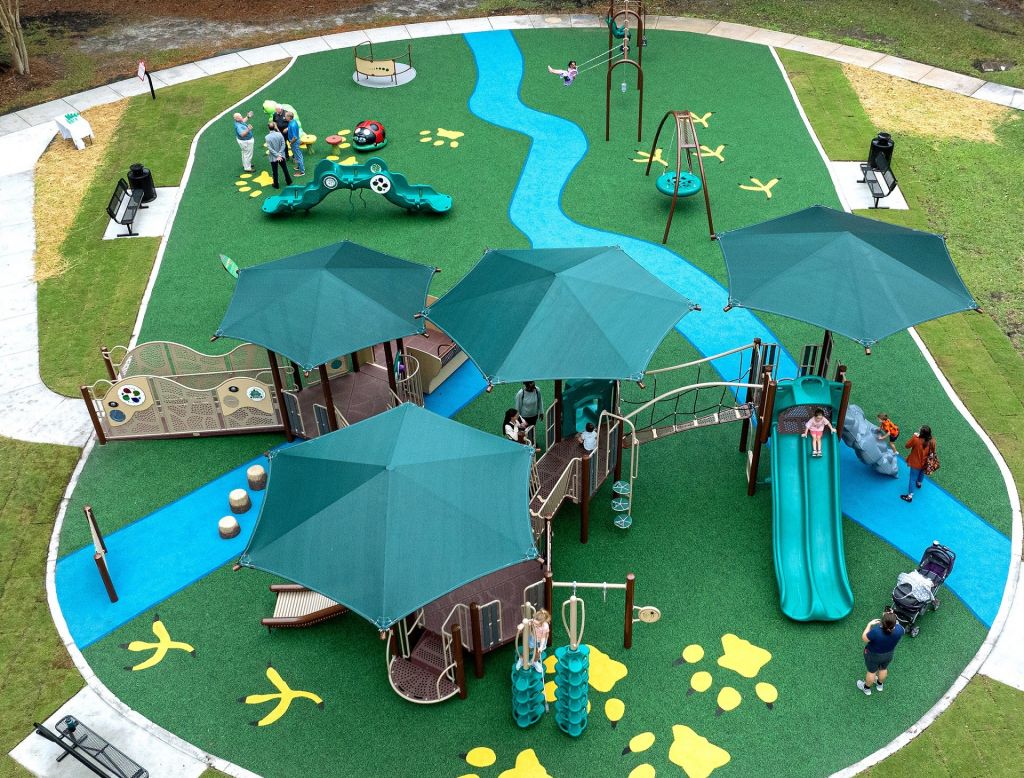
Nature-inspired playgrounds incorporate natural materials, organic shapes, climbing opportunities, and elements that encourage exploration. Products made with natural timber can introduce different textures and visual features while connecting children with the outdoors.
Consider how natural elements can complement traditional playground equipment to create an engaging play environment.
3. Outdoor Fitness Equipment
Playgrounds and parks can serve a broader range of visitors when they include opportunities for physical activity beyond traditional play structures. Outdoor fitness equipment can encourage teens and adults to exercise while families enjoy the park together.
Consider adding fitness stations, balance activities, or designated exercise areas to support an active community.
4. Shade, Seating, and Picnic Areas
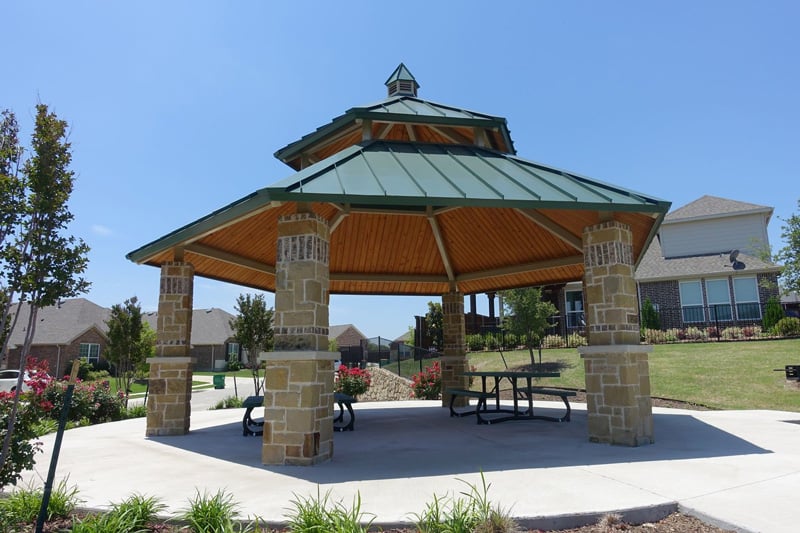
Comfortable gathering spaces can make parks more inviting for families and visitors. Shade structures, benches, picnic tables, and other amenities provide places to rest, socialize, and enjoy time outdoors.
When planning a playground, consider how park amenities and furnishings can complement the play area and support longer community visits.
5. Age-Appropriate Play Experiences
Children at different developmental stages benefit from different types of play. Younger children may enjoy lower platforms, interactive panels, and simple climbing activities, while older children may prefer challenging climbers, taller structures, and more dynamic movement.
Planning for multiple age groups can help communities create a playground that serves more families and remains useful as children grow.
How Much Does It Cost to Build a Playground in 2027?
The cost of a new playground depends on the project's size, equipment selection, site conditions, surfacing, installation requirements, and additional amenities. There is no single price that applies to every community.
To develop a realistic playground budget, consider:
- Playground equipment: The size, features, materials, and complexity of the design.
- Safety surfacing: The type of surfacing selected and the area it needs to cover.
- Site preparation: Grading, drainage, demolition, and other site-specific work.
- Installation: Labor, equipment, and project requirements.
- Additional amenities: Shade structures, seating, picnic tables, and outdoor fitness equipment.
Requesting a customized design and equipment quote can help your team understand project costs and determine which features best fit your budget.
Learn more about playground planning and design to begin exploring options for your community.
What Playground Grants Are Available for 2027 Projects?
Playground grants and other funding programs may help communities offset eligible equipment or project costs. Available opportunities vary by location, organization, eligibility requirements, and application deadlines.
As you plan for 2027, research funding programs offered by state agencies, nonprofit organizations, community foundations, and playground manufacturers. Review each program's requirements carefully to determine whether your project qualifies.
Preparing early can give your team more time to gather supporting documents, develop a project concept, request equipment quotes, and meet application deadlines.
How Do You Plan a Playground Project for 2027?
A clear planning process can help your team move from an initial idea to a project ready for implementation.
Step 1: Identify your community's needs. Determine who will use the playground, what activities are most important, and which improvements would make the greatest impact.
Step 2: Evaluate the site. Consider available space, accessibility, drainage, existing equipment, and site preparation requirements.
Step 3: Establish your budget. Identify available funding, research grants, and account for equipment, surfacing, installation, and amenities.
Step 4: Explore designs and equipment. Compare options based on age groups, inclusive play opportunities, durability, maintenance needs, and project goals.
Step 5: Develop a project timeline. Coordinate design reviews, approvals, funding deadlines, purchasing, and installation planning.
Step 6: Work with a playground planning partner. An experienced recreation professional can help you evaluate options and navigate the planning process.
Starting these steps early can help your team prepare for a smoother project experience.
Frequently Asked Questions About Playground Planning
When should we start planning a playground for 2027?
Begin as early as possible, ideally several months or more before your desired installation date. Larger projects may require additional time for funding applications, design approvals, site preparation, and equipment procurement.
What should be included in a playground project budget?
A playground budget should account for equipment, safety surfacing, site preparation, installation, and any additional features such as shade structures, benches, picnic tables, or outdoor fitness equipment.
How can communities fund a new playground?
Communities may use municipal budgets, school funding, grants, donations, fundraising, or partnerships. Eligibility and funding availability vary, so research programs early and confirm their current requirements.
What makes a playground inclusive?
An inclusive playground considers how children with different abilities can access the space, participate in play, interact with others, and enjoy a variety of experiences. Accessible routes, thoughtfully selected equipment, sensory activities, and opportunities for shared play can all contribute to a more inclusive environment.
Should we replace an existing playground or renovate it?
The decision depends on the condition of the existing equipment, current safety and accessibility needs, maintenance requirements, available space, and budget. An evaluation of the existing site can help determine whether targeted improvements or a complete replacement is the better option.
Start Planning Your Community's 2027 Playground
A successful playground project begins with a clear vision and a practical plan. By researching equipment, considering inclusive play, evaluating site needs, and exploring funding opportunities early, your community can take meaningful steps toward creating a welcoming outdoor space.
Cunningham Recreation partners with municipalities, schools, parks and recreation departments, and other organizations to bring playground projects to life. Our team can help you explore playground equipment, design options, surfacing, and amenities that align with your community's goals.
Ready to plan your next playground? Contact Cunningham Recreation to discuss your project and start planning for 2027.